Your cart (0)

Your cart (0)
Estimate Shipping
100-Night Sleep Trail
Premium Quality


Made from high-quality satin polyester that feels smooth and soft on your skin. Durable, easy to care for, and gives your bed a sleek, polished look.


Made from breathable cotton or cotton-blend fabric that wicks away moisture and keeps you comfortable all night, even in warm weather.


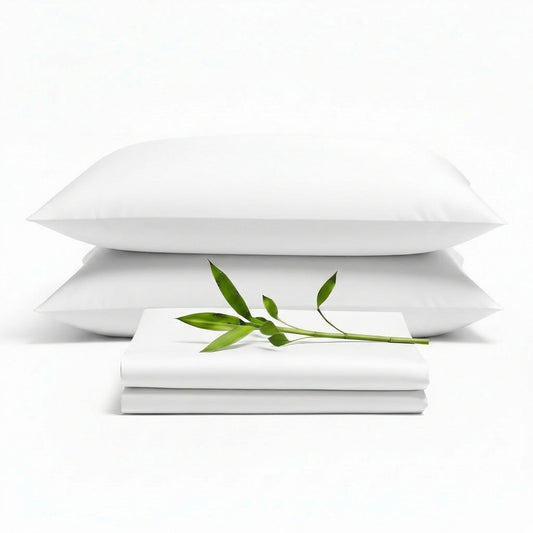
Made from eco-friendly bamboo fibers that are soft, naturally hypoallergenic, and gentle on your skin. Durable, breathable, and good for the environment.

Others


Soft. Smooth. Sublime.
A good night’s sleep can change the way you feel every day. Soft, breathable sheets help you relax, stay comfortable, and wake up refreshed. With Decolure, it’s about enjoying the little moments of comfort that make home feel like home.


Sleep on your new sheets for 100 nights. Truly experience the comfort, wash them, and decide if they're right for you. If you're not completely satisfied, you can get a full refund, no questions asked.

Enjoy a perfect night's sleep with sheets made from the finest, ethically sourced materials. The premium quality ensures they are exceptionally soft, durable, and breathable, night after night.

Rest easy knowing your new sheets are safe and healthy for your family. This certification guarantees they are free from harmful chemicals and produced with environmentally friendly methods.

Keep your sheets looking and feeling great with minimal effort. They're designed to be machine washable and resistant to fading and pilling, so you can enjoy their luxurious feel and vibrant color for a long time.
Explore the Decolure blog to discover simple ways to upgrade your comfort, create a cozy bedroom, and enjoy every moment of rest.

Bamboo sheets have become incredibly popular for their luxurious softness and eco-friendly properties. But to keep them feeling silky smooth wash after wash, you need to know how to care for them properly. Many people worry about damaging their bamboo bedding with the wrong washing method. If you've invested in quality bamboo sheets, you want them to last. This guide will walk you through everything you need to know about washing, drying, and maintaining your bamboo sheets so they stay soft and beautiful for years to come. Quick Summary: Bamboo Sheet Care Essentials Before we dive into the details, here's what you need to know: Washing: Use mild detergent, cold or warm water (never hot), and the gentle cycle. Skip the bleach and fabric softener. Drying: Hang dry outdoors when possible, or use your dryer on low heat with the delicate setting. Frequency: Bamboo sheets naturally resist bacteria, so you can wash them less often than regular sheets. Now let's explore each step in detail. How to Wash Bamboo Sheets Bamboo fabric is durable when dry but needs gentle handling during washing. Follow these guidelines to protect your investment. Choose the Right Detergent Your detergent choice matters more than you might think. Harsh chemicals can break down bamboo fibers over time, reducing their softness and lifespan. Look for these types of detergents: Mild, plant-based formulas Products labeled "eco-friendly" or "gentle." Detergents designed for sensitive skin Fragrance-free options Important: Never use detergents containing chlorine bleach. These will damage the bamboo fibers and may cause discoloration. We'll cover safe whitening methods later in this guide. Select the Gentle Wash Cycle Your washing machine's cycle settings make a big difference. Always choose the "gentle" or "delicate" cycle when washing bamboo sheets. Why does this matter? While bamboo fabric is strong when dry, the fibers can be damaged by aggressive washing action. The gentle cycle uses less agitation, protecting your sheets while still getting them clean. Use Cold or Warm Water (Never Hot) Water temperature is crucial for bamboo sheet care. Hot water can cause several problems: Shrinkage Fiber damage Loss of softness Color fading Stick to cold or warm water settings. Cold water is safest and works well for regular cleaning. Warm water can be used if needed, but check your sheet's care label first. Some manufacturers recommend cold water only. Skip the Fabric Softener This might surprise you, but fabric softener can actually make bamboo sheets feel less soft over time. These products leave a coating on the fibers that builds up with repeated use, making your sheets feel stiff and reducing their natural breathability. The good news? Bamboo sheets don't need fabric softener. They naturally get softer with each wash when cared for correctly. Best Ways to Dry Bamboo Sheets Drying your bamboo sheets properly is just as important as washing them correctly. You have two good options depending on your climate and living situation. Air Drying: The Best Option Hanging your bamboo sheets outside to air dry is the gentlest method and what most manufacturers recommend. This approach has several benefits: No heat exposure that could damage fibers Natural freshness Zero energy costs Extends the life of your sheets Best conditions for air drying: Warm, dry weather Light breeze for faster drying Shaded area to prevent sun bleaching (optional) You don't need direct sunlight, though it can help. The key is dry conditions and above-freezing temperatures. Rain and freezing weather obviously won't work. Don't have an outdoor space? You can hang your sheets indoors on a drying rack, though this takes longer. Machine Drying: When You Need It Not everyone can air-dry sheets, especially during cold or rainy seasons. Fortunately, you can safely use a dryer with the right settings. Follow these steps: Select the "delicate" or "gentle" cycle Set the heat to low (never medium or high) You may need a longer drying time on low heat, but this protects your sheets Remove sheets from the dryer while still slightly warm Fold or place on the bed immediately to prevent wrinkles The last step is important. Bamboo sheets are lightweight and can wrinkle if left bunched up in the dryer after the cycle ends. Removing them promptly while warm helps them stay smooth. How Often Should You Wash Bamboo Sheets? One of the best features of bamboo sheets is their natural antimicrobial properties. This means they resist bacteria and odors better than cotton or synthetic sheets. General guidelines: High-quality bamboo viscose sheets: Every 7 to 10 days Bamboo/cotton blends: Every 5 to 7 days Standard cotton sheets (for comparison): Every 3 to 5 days The exact frequency depends on several factors: Your personal preferences How much do you sweat at night Whether you shower before bed Room temperature and humidity The quality and type of bamboo fabric Pure bamboo viscose sheets can often go twice as long between washes as traditional cotton sheets while still feeling fresh and clean. Keeping Your Bamboo Sheets Soft The secret to maintaining bamboo sheet softness is simple: follow the washing instructions above. You don't need any special products or treatments. Here's what naturally keeps bamboo sheets soft: Using mild detergent without harsh chemicals Avoiding fabric softener (which causes buildup) Washing on the gentle cycle Using cool or warm water, never hot Air drying or using low heat High-quality bamboo viscose sheets actually become softer with each wash when cared for properly. The gentle washing process relaxes the fibers, creating that luxurious, silky feeling people love. How to Whiten and Remove Stains from Bamboo Sheets Chlorine bleach is off the table for bamboo sheets, but you still have effective options for removing stains and keeping your sheets bright white. Lemon Juice or White Vinegar For light staining or general brightening, add a small amount of lemon juice or white vinegar to your wash cycle. How to use: Add no more than 1/4 cup to your regular wash. This is enough to help brighten your sheets without risking damage to the fibers. Too much vinegar can weaken bamboo fabric. Baking Soda Soak For more stubborn stains, try soaking your sheets before washing. Method: Mix about 1 cup of baking soda with 1 gallon of warm water Submerge your bamboo sheets in the solution Let them soak for at least 30 minutes For tough stains, soak for up to several hours Wash as normal afterward This gentle treatment lifts stains without harsh chemicals. Oxygen-Based Bleach For the toughest stains, use oxygen bleach (also called oxygenated bleach) or enzyme-based bleach products. Why these work: Unlike chlorine bleach, oxygen and enzyme bleaches are gentle on bamboo fibers. They break down stains through oxidation or enzyme action rather than harsh chemical reactions. How to use: Follow the product instructions for the correct amount. These bleaches are safe for colored bamboo sheets as well as white ones. Getting Wrinkles Out of Bamboo Sheets Prevention is the best strategy for wrinkle-free bamboo sheets: Remove sheets from the dryer promptly while still warm Fold them immediately or put them on your bed Hang to air dry for naturally smoother sheets But what if wrinkles have already set in? Ironing Bamboo Sheets Yes, you can iron bamboo sheets when needed. Just follow these precautions: Set your iron to the lowest heat setting Iron while the sheets are slightly damp for best results Keep the iron moving to avoid heat damage Higher temperatures can damage bamboo fibers, so low heat is essential Most of the time, proper drying technique prevents wrinkles from forming in the first place. Understanding Bamboo Sheet Types Not all bamboo sheets are created equal. The type of bamboo fabric affects both care requirements and performance. Bamboo Viscose This is the most common and highest quality type of bamboo fabric. Bamboo viscose sheets are: Extremely soft and silky Highly breathable Naturally antimicrobial More durable than other bamboo fabrics Viscose bamboo sheets can be washed less frequently and typically last longer with proper care. Bamboo Rayon Sometimes called rayon bamboo, this fabric is similar to bamboo viscose but may require slightly different care. Check your specific product's care instructions. Bamboo Blends Some sheets blend bamboo fibers with cotton or other materials. These blends may need more frequent washing than pure bamboo sheets and should be cared for according to the manufacturer's instructions. Complete Care Summary Let's recap the key points for keeping your bamboo sheets in perfect condition: Washing checklist: ✓ Mild detergent without harsh chemicals ✓ Gentle or delicate cycle ✓ Cold or warm water (never hot) ✓ No chlorine bleach ✓ No fabric softener Drying checklist: ✓ Air dry outdoors when possible ✓ Or use dryer on gentle cycle with low heat ✓ Remove promptly to prevent wrinkles Maintenance tips: ✓ Wash every 7 to 10 days for quality bamboo viscose ✓ Use natural whiteners like baking soda or oxygen bleach for stains ✓ Iron on low heat only if needed for wrinkles Why Proper Care Matters Taking good care of your bamboo sheets isn't just about keeping them soft. Proper washing and drying extend their lifespan significantly, protecting your investment. Well-maintained bamboo sheets can last for years while maintaining their signature silky feel. Poor care, on the other hand, can cause them to become rough, develop pilling, or wear out prematurely. The extra few minutes it takes to select the right settings on your washing machine pays off in sheets that feel amazing night after night. Common Mistakes to Avoid Watch out for these care errors that can damage your bamboo sheets: Using hot water: This is the number one mistake. Hot water shrinks bamboo fabric and breaks down the fibers. Regular wash cycle: The standard cycle is too aggressive for bamboo sheets. Always use gentle or delicate. Chlorine bleach: This chemical severely damages bamboo fibers and causes discoloration. Fabric softener: Creates buildup that makes sheets feel stiff and less breathable over time. High heat drying: Can shrink sheets and damage fibers. Low heat only, or air dry. Leaving in dryer too long: Results in wrinkles that are hard to remove. Final Thoughts Caring for bamboo sheets is straightforward once you know the basics. The key is treating them gently: mild detergent, gentle cycle, cool water, and low heat or air drying. These simple steps keep your bamboo sheets feeling incredibly soft and help them last for years. The natural antimicrobial properties mean less frequent washing, saving you time and extending the life of your bedding. With proper care, your bamboo sheets will continue to provide that luxurious, silky-smooth sleeping experience night after night. The small effort required is well worth it for the comfort and durability you get in return. Sweet dreams on your perfectly cared-for bamboo sheets!
Bamboo sheets have become incredibly popular for their luxurious softness and eco-friendly properties. But to keep them feeling silky smooth wash after wash, you need to know how to care for them properly. Many people worry about damaging their bamboo bedding with the wrong washing method. If you've invested in quality bamboo sheets, you want them to last. This guide will walk you through everything you need to know about washing, drying, and maintaining your bamboo sheets so they stay soft and beautiful for years to come. Quick Summary: Bamboo Sheet Care Essentials Before we dive into the details, here's what you need to know: Washing: Use mild detergent, cold or warm water (never hot), and the gentle cycle. Skip the bleach and fabric softener. Drying: Hang dry outdoors when possible, or use your dryer on low heat with the delicate setting. Frequency: Bamboo sheets naturally resist bacteria, so you can wash them less often than regular sheets. Now let's explore each step in detail. How to Wash Bamboo Sheets Bamboo fabric is durable when dry but needs gentle handling during washing. Follow these guidelines to protect your investment. Choose the Right Detergent Your detergent choice matters more than you might think. Harsh chemicals can break down bamboo fibers over time, reducing their softness and lifespan. Look for these types of detergents: Mild, plant-based formulas Products labeled "eco-friendly" or "gentle." Detergents designed for sensitive skin Fragrance-free options Important: Never use detergents containing chlorine bleach. These will damage the bamboo fibers and may cause discoloration. We'll cover safe whitening methods later in this guide. Select the Gentle Wash Cycle Your washing machine's cycle settings make a big difference. Always choose the "gentle" or "delicate" cycle when washing bamboo sheets. Why does this matter? While bamboo fabric is strong when dry, the fibers can be damaged by aggressive washing action. The gentle cycle uses less agitation, protecting your sheets while still getting them clean. Use Cold or Warm Water (Never Hot) Water temperature is crucial for bamboo sheet care. Hot water can cause several problems: Shrinkage Fiber damage Loss of softness Color fading Stick to cold or warm water settings. Cold water is safest and works well for regular cleaning. Warm water can be used if needed, but check your sheet's care label first. Some manufacturers recommend cold water only. Skip the Fabric Softener This might surprise you, but fabric softener can actually make bamboo sheets feel less soft over time. These products leave a coating on the fibers that builds up with repeated use, making your sheets feel stiff and reducing their natural breathability. The good news? Bamboo sheets don't need fabric softener. They naturally get softer with each wash when cared for correctly. Best Ways to Dry Bamboo Sheets Drying your bamboo sheets properly is just as important as washing them correctly. You have two good options depending on your climate and living situation. Air Drying: The Best Option Hanging your bamboo sheets outside to air dry is the gentlest method and what most manufacturers recommend. This approach has several benefits: No heat exposure that could damage fibers Natural freshness Zero energy costs Extends the life of your sheets Best conditions for air drying: Warm, dry weather Light breeze for faster drying Shaded area to prevent sun bleaching (optional) You don't need direct sunlight, though it can help. The key is dry conditions and above-freezing temperatures. Rain and freezing weather obviously won't work. Don't have an outdoor space? You can hang your sheets indoors on a drying rack, though this takes longer. Machine Drying: When You Need It Not everyone can air-dry sheets, especially during cold or rainy seasons. Fortunately, you can safely use a dryer with the right settings. Follow these steps: Select the "delicate" or "gentle" cycle Set the heat to low (never medium or high) You may need a longer drying time on low heat, but this protects your sheets Remove sheets from the dryer while still slightly warm Fold or place on the bed immediately to prevent wrinkles The last step is important. Bamboo sheets are lightweight and can wrinkle if left bunched up in the dryer after the cycle ends. Removing them promptly while warm helps them stay smooth. How Often Should You Wash Bamboo Sheets? One of the best features of bamboo sheets is their natural antimicrobial properties. This means they resist bacteria and odors better than cotton or synthetic sheets. General guidelines: High-quality bamboo viscose sheets: Every 7 to 10 days Bamboo/cotton blends: Every 5 to 7 days Standard cotton sheets (for comparison): Every 3 to 5 days The exact frequency depends on several factors: Your personal preferences How much do you sweat at night Whether you shower before bed Room temperature and humidity The quality and type of bamboo fabric Pure bamboo viscose sheets can often go twice as long between washes as traditional cotton sheets while still feeling fresh and clean. Keeping Your Bamboo Sheets Soft The secret to maintaining bamboo sheet softness is simple: follow the washing instructions above. You don't need any special products or treatments. Here's what naturally keeps bamboo sheets soft: Using mild detergent without harsh chemicals Avoiding fabric softener (which causes buildup) Washing on the gentle cycle Using cool or warm water, never hot Air drying or using low heat High-quality bamboo viscose sheets actually become softer with each wash when cared for properly. The gentle washing process relaxes the fibers, creating that luxurious, silky feeling people love. How to Whiten and Remove Stains from Bamboo Sheets Chlorine bleach is off the table for bamboo sheets, but you still have effective options for removing stains and keeping your sheets bright white. Lemon Juice or White Vinegar For light staining or general brightening, add a small amount of lemon juice or white vinegar to your wash cycle. How to use: Add no more than 1/4 cup to your regular wash. This is enough to help brighten your sheets without risking damage to the fibers. Too much vinegar can weaken bamboo fabric. Baking Soda Soak For more stubborn stains, try soaking your sheets before washing. Method: Mix about 1 cup of baking soda with 1 gallon of warm water Submerge your bamboo sheets in the solution Let them soak for at least 30 minutes For tough stains, soak for up to several hours Wash as normal afterward This gentle treatment lifts stains without harsh chemicals. Oxygen-Based Bleach For the toughest stains, use oxygen bleach (also called oxygenated bleach) or enzyme-based bleach products. Why these work: Unlike chlorine bleach, oxygen and enzyme bleaches are gentle on bamboo fibers. They break down stains through oxidation or enzyme action rather than harsh chemical reactions. How to use: Follow the product instructions for the correct amount. These bleaches are safe for colored bamboo sheets as well as white ones. Getting Wrinkles Out of Bamboo Sheets Prevention is the best strategy for wrinkle-free bamboo sheets: Remove sheets from the dryer promptly while still warm Fold them immediately or put them on your bed Hang to air dry for naturally smoother sheets But what if wrinkles have already set in? Ironing Bamboo Sheets Yes, you can iron bamboo sheets when needed. Just follow these precautions: Set your iron to the lowest heat setting Iron while the sheets are slightly damp for best results Keep the iron moving to avoid heat damage Higher temperatures can damage bamboo fibers, so low heat is essential Most of the time, proper drying technique prevents wrinkles from forming in the first place. Understanding Bamboo Sheet Types Not all bamboo sheets are created equal. The type of bamboo fabric affects both care requirements and performance. Bamboo Viscose This is the most common and highest quality type of bamboo fabric. Bamboo viscose sheets are: Extremely soft and silky Highly breathable Naturally antimicrobial More durable than other bamboo fabrics Viscose bamboo sheets can be washed less frequently and typically last longer with proper care. Bamboo Rayon Sometimes called rayon bamboo, this fabric is similar to bamboo viscose but may require slightly different care. Check your specific product's care instructions. Bamboo Blends Some sheets blend bamboo fibers with cotton or other materials. These blends may need more frequent washing than pure bamboo sheets and should be cared for according to the manufacturer's instructions. Complete Care Summary Let's recap the key points for keeping your bamboo sheets in perfect condition: Washing checklist: ✓ Mild detergent without harsh chemicals ✓ Gentle or delicate cycle ✓ Cold or warm water (never hot) ✓ No chlorine bleach ✓ No fabric softener Drying checklist: ✓ Air dry outdoors when possible ✓ Or use dryer on gentle cycle with low heat ✓ Remove promptly to prevent wrinkles Maintenance tips: ✓ Wash every 7 to 10 days for quality bamboo viscose ✓ Use natural whiteners like baking soda or oxygen bleach for stains ✓ Iron on low heat only if needed for wrinkles Why Proper Care Matters Taking good care of your bamboo sheets isn't just about keeping them soft. Proper washing and drying extend their lifespan significantly, protecting your investment. Well-maintained bamboo sheets can last for years while maintaining their signature silky feel. Poor care, on the other hand, can cause them to become rough, develop pilling, or wear out prematurely. The extra few minutes it takes to select the right settings on your washing machine pays off in sheets that feel amazing night after night. Common Mistakes to Avoid Watch out for these care errors that can damage your bamboo sheets: Using hot water: This is the number one mistake. Hot water shrinks bamboo fabric and breaks down the fibers. Regular wash cycle: The standard cycle is too aggressive for bamboo sheets. Always use gentle or delicate. Chlorine bleach: This chemical severely damages bamboo fibers and causes discoloration. Fabric softener: Creates buildup that makes sheets feel stiff and less breathable over time. High heat drying: Can shrink sheets and damage fibers. Low heat only, or air dry. Leaving in dryer too long: Results in wrinkles that are hard to remove. Final Thoughts Caring for bamboo sheets is straightforward once you know the basics. The key is treating them gently: mild detergent, gentle cycle, cool water, and low heat or air drying. These simple steps keep your bamboo sheets feeling incredibly soft and help them last for years. The natural antimicrobial properties mean less frequent washing, saving you time and extending the life of your bedding. With proper care, your bamboo sheets will continue to provide that luxurious, silky-smooth sleeping experience night after night. The small effort required is well worth it for the comfort and durability you get in return. Sweet dreams on your perfectly cared-for bamboo sheets!

If you've been scrolling through bedding options at 2 AM (we've all been there), you've probably wondered whether satin sheets are worth the hype. Maybe you've seen influencers raving about them, or perhaps your friend won't stop talking about how they transformed her sleep routine. Here's the thing: satin sheets can be genuinely amazing, but they're not magical. They have real benefits backed by science, and they also have some quirks you should know about. Let's dig into everything you need to understand before investing in a set. What Exactly Are Satin Sheets? Before we go further, let's clear up a common misconception. Satin isn't actually a material. It's a weaving technique that creates that signature smooth, glossy surface we all recognize. Most satin sheets you'll find today are made from polyester, though you can also get satin-woven silk, nylon, or even cotton. The weave is what matters here. It creates a fabric with a shiny front side and a matte back, giving you that luxurious, slippery feel. This is different from silk, which is both a material AND can be woven in a satin style. Confusing? A bit. But stick with me. Are Satin Sheets Actually Good for Your Skin? Short answer: yes, they really can be. The smooth surface of satin creates less friction against your skin compared to cotton or other traditional bedding materials. When you toss and turn at night (and research shows we all move around 10-40 times during sleep), regular sheets can tug at your skin. Over time, this friction contributes to sleep lines and can even accelerate wrinkle formation. Satin sheets let your skin glide smoothly as you move. Dermatologists often recommend them for people with sensitive skin conditions like eczema or rosacea because the reduced friction means less irritation. There's another benefit worth mentioning: satin doesn't absorb moisture the way cotton does. Your expensive night creams and serums? They stay on your face instead of soaking into your pillowcase. Your skin gets the full benefit of your skincare routine. Some people notice their skin looks more hydrated in the morning after switching to satin. That's because cotton can actually pull moisture from your skin throughout the night. Satin keeps that moisture where it belongs. Will Satin Sheets Make You Sweat? This is probably the biggest concern people have, and honestly, it depends. Polyester satin sheets can trap heat because polyester isn't naturally breathable. If you're a hot sleeper, low-quality polyester satin might leave you feeling clammy. However, not all satin sheets are created equal. Higher-quality satin sheets often use better polyester weaves or blends that improve breathability. Some manufacturers specifically design their satin with cooling technology or use materials like bamboo-derived rayon in a satin weave. The truth is, satin sheets won't cool you down like high-thread-count cotton or linen might. But they also don't automatically make you sweat. The key factors are: The quality of the material used The weight of the fabric (lighter is usually better for hot sleepers) Your bedroom temperature Your personal body temperature regulation If you sleep hot, look for lightweight satin sheets and keep your bedroom cool. Many people find this combination works perfectly. The Real Benefits of Sleeping on Satin Sheets Beyond skin benefits, satin sheets offer some advantages that might surprise you. Your hair will thank you. That smooth surface we talked about? It prevents hair breakage, reduces frizz, and helps your hairstyle last longer. If you've ever invested in a blowout only to wake up with a mess, satin sheets can help preserve your style. People with curly or textured hair especially notice the difference. They're genuinely luxurious. There's something undeniably indulgent about sliding into satin sheets. That silky-smooth feeling against your skin creates an instant upgrade to your sleep experience. It's not just psychological; the sensory experience is legitimately different. Satin sheets are often more affordable than silk. You get a similar smooth feel without the premium price tag. Quality satin sheets can cost a fraction of what you'd pay for silk bedding. They're easier to care for than silk. While silk requires delicate handling, most satin sheets can go right in your washing machine. This makes them practical for everyday use. The hypoallergenic properties matter too. Satin's smooth, tightly-woven surface doesn't trap dust mites, dead skin cells, and allergens the way fabrics with more texture do. For allergy sufferers, this can mean better sleep quality. Do Satin Sheets Keep You Cool? Let's be completely honest here. Satin sheets aren't the coolest option available. That distinction goes to materials like bamboo, linen, or Tencel. However, satin sheets can be temperature-neutral when chosen correctly. The cooling properties depend heavily on what material the satin is made from: Polyester satin tends to trap heat more than natural fibers. It's the least breathable option. Silk satin naturally regulates temperature. Real silk adapts to your body temperature, keeping you warm when it's cold and cool when it's warm. Bamboo or rayon satin offers better breathability than polyester and often has moisture-wicking properties built in. If cooling is your priority, look for these features: Lightweight construction Breathable materials Moisture-wicking technology A thread count between 300-600 (higher isn't always better for cooling) Many people who thought they were "too hot" for satin sheets found the right type works beautifully. It's about matching the specific satin to your needs. How to Wash Satin Sheets Without Ruining Them Good news: caring for satin sheets isn't as complicated as you might think. While they seem delicate, most polyester satin sheets are actually quite durable. For polyester satin sheets: Turn them inside out before washing. This protects the shiny surface from friction damage. Use cold water and a gentle cycle. Hot water can damage the fibers and reduce the fabric's lifespan. Choose a mild detergent without bleach or fabric softener. Fabric softener can actually build up on satin and make it feel less smooth over time. Wash separately or with similar colors for the first few washes. Satin can bleed color initially. Skip the dryer if possible. Air drying prevents heat damage and keeps your sheets looking new longer. If you must use a dryer, choose the lowest heat setting and remove the sheets while they're still slightly damp. Iron on low heat if needed, but most satin sheets don't wrinkle much. If you do iron, keep it on the wrong side of the fabric. For silk satin sheets: These require gentler care. Hand washing in cold water with a silk-specific detergent is ideal. If machine washing, use a mesh bag and the most delicate cycle available. Never put silk in the dryer. Always air dry away from direct sunlight. Washing frequency: Wash your satin sheets every 1-2 weeks, just like regular sheets. Some people think satin needs less frequent washing, but regular cleaning prevents oil and bacteria buildup. One tip that makes a huge difference: wash new satin sheets before first use. This removes manufacturing residues and makes them softer. Satin vs. Silk Sheets: What's the Real Difference? People often use these terms interchangeably, but they're quite different. Understanding the distinction helps you make the right choice for your budget and needs. Feature Satin Sheets Silk Sheets Material Usually polyester (can be nylon, rayon) Natural protein fiber from silkworms Weave Satin weave (gives glossy finish) Can be satin or other weaves Price Range $30-$150 for quality sets $200-$800+ for genuine silk Durability Very durable, resists tears and wear Delicate, snags easily, tears with pets or jewelry Care Machine washable, dryer-friendly, incredibly low maintenance Requires hand washing or delicate cycle, air dry only, high maintenance Temperature Regulation Quality options regulate temperature well, especially bamboo satin Naturally temperature-regulating Skin Benefits Reduces friction, doesn't absorb skincare products, hypoallergenic Reduces friction, hypoallergenic, contains natural proteins Hair Benefits Prevents breakage and frizz just as effectively Prevents breakage and frizz Ethical Concerns Synthetic (though bamboo options available) Involves killing silkworms (not vegan or cruelty-free) Lifespan 3-5 years with proper care, maintains appearance throughout 10+ years with excellent care, but requires constant careful handling Practical Use Perfect for everyday use, families, pets Impractical for daily use, stressful with kids or pets Value Exceptional value for performance Premium price often not justified by marginal benefits The bottom line: While silk has a luxury reputation, satin delivers nearly identical benefits for skin and hair at a fraction of the cost. Unless you have unlimited budget and time for high-maintenance care, satin is the smarter choice. You get the same smooth, friction-free surface that protects your skin and hair without the anxiety of potentially ruining expensive bedding. Think about it: why spend $500+ on sheets you'll be terrified to actually use? Satin gives you guilt-free luxury you can enjoy every single night. For most people, high-quality satin sheets provide superior practical value and the same beauty benefits that matter. If you want bedding that feels amazing AND fits into real life, satin is absolutely your answer. Is Satin Breathable Enough for Comfortable Sleep? Breathability in bedding comes down to how easily air and moisture can pass through the fabric. This affects how comfortable you feel throughout the night. Traditional cotton is highly breathable because it's woven loosely with natural fibers that wick moisture. Satin's tight weave and smooth surface work differently. Polyester satin has limited breathability. The synthetic fibers don't absorb moisture well, which can be both good and bad. Good because it doesn't pull moisture from your skin and hair. Bad because if you do sweat, it can sit on the surface rather than being absorbed and evaporated. That said, the breathability of satin sheets varies significantly: Higher-quality satin uses finer yarns and better construction. This creates micro-gaps that allow some airflow while maintaining that smooth surface. Look for satin sheets with a thread count between 300-600 for the best balance of smoothness and breathability. Satin made from natural or semi-synthetic materials like bamboo rayon or Tencel offers much better breathability than standard polyester. These materials combine the smooth satin weave with fibers that naturally allow airflow. The weave density matters more than you'd think. Some manufacturers create satin with a slightly looser weave that increases breathability without sacrificing much smoothness. For most people in climate-controlled bedrooms, satin sheets provide adequate breathability. You might notice they feel different from cotton, but not uncomfortably so. If you live somewhere humid or sleep particularly hot, choosing the right type of satin becomes more important. What About Durability and Longevity? One question that doesn't get asked enough: how long will satin sheets actually last? Quality satin sheets are surprisingly durable. Polyester satin, in particular, resists tears and maintains its appearance longer than many natural fabrics. You won't see the same pilling or fading you might get with lower-quality cotton. With proper care, good satin sheets should last 3-5 years of regular use. That's comparable to mid-range cotton sheets. The key factors affecting longevity are: Material quality: Higher-quality polyester or natural fiber satin lasts longer. If sheets feel thin or flimsy in the package, they probably won't hold up well. Thread count: For satin, the sweet spot is 300-600 thread count. Lower might not be durable enough, and higher doesn't necessarily mean better. Care routine: Following proper washing instructions makes the biggest difference. Heat is satin's enemy, so always use cool water and low or no heat drying. Usage frequency: Rotating between two sets of sheets extends the life of both. Each set gets more recovery time between uses. Signs it's time to replace your satin sheets include loss of sheen, rough patches developing, thinning fabric, or persistent odors that don't wash out. Frequently Asked Questions About Satin Sheets Do satin sheets stain easily? Not particularly, but they can show stains more visibly because of their shiny surface. The good news is that polyester satin releases stains more easily than cotton when washed properly. Treat stains quickly with cold water and avoid hot water, which can set stains permanently. Can I use satin sheets year-round? Absolutely. While they're not as cooling as linen in summer or as insulating as flannel in winter, quality satin sheets work well in all seasons, especially in climate-controlled bedrooms. Choose lighter-weight satin for warmer months and pair with appropriate blankets for cooler weather. Do satin sheets slide off the bed? This is a common concern, and yes, satin can be slippery. However, fitted sheets with deep pockets and strong elastic stay in place well. Using a mattress protector underneath can also reduce slipping. Some people actually love the way satin sheets drape and move, it feels luxurious rather than problematic. Are satin sheets good for people with night sweats? It depends on the material. Standard polyester satin might not be ideal for heavy night sweats because it doesn't absorb moisture well. However, bamboo or rayon satin with moisture-wicking properties can actually work quite well. Look specifically for "cooling satin" or "moisture-wicking satin" if night sweats are a concern. How do I know if I'm buying quality satin sheets? Check the thread count (300-600 is ideal), and read reviews about durability. Quality sheets feel smooth but substantial, not thin or flimsy. Price is also an indicator, though not always reliable. Expect to pay at least $50-70 for a quality queen-sized set. Do satin sheets help with acne? They can help indirectly. Because satin doesn't absorb your skincare products and creates less friction against your skin, it may reduce irritation that can trigger breakouts. The reduced absorption also means less oil and bacteria buildup compared to cotton. However, you still need to wash satin sheets regularly (every 1-2 weeks) to prevent acne-causing bacteria. Can I put satin sheets on an adjustable bed? Yes, satin sheets work fine on adjustable beds. Look for deep-pocket fitted sheets with strong elastic to accommodate the mattress movement. Some people find that satin's smooth texture actually makes it easier for sheets to adjust as the bed moves. Will my pets' claws damage satin sheets? Satin is more resistant to damage than you might think, but sharp claws can snag the weave. If you have pets that sleep on your bed, consider keeping their nails trimmed or using a protective blanket on top of your satin sheets. Ready to Experience the Satin Difference? Now you know the real story about satin sheets, not just the marketing hype. They offer genuine benefits for your skin and hair, feel luxurious against your skin, and can fit into most budgets. The key is choosing quality sheets that match your specific needs. Whether you're dealing with frizzy hair, want to preserve your skincare investment, or simply want to upgrade your sleep experience, satin sheets deliver measurable improvements. They're not perfect for everyone, but for most people, they're a worthwhile investment in better sleep and healthier skin. The difference between okay satin sheets and great ones comes down to material quality and construction. When you invest in well-made satin bedding, you're getting durability, comfort, and those beauty benefits everyone talks about. Your bedroom should be a sanctuary, and your bedding plays a bigger role in that than most people realize. If you've been curious about satin sheets, now's the time to try them. Start with quality materials, follow the care instructions, and give yourself a few nights to adjust to the new feel. Sweet dreams start with the right sheets. Why not make tonight the night you discover what you've been missing?
If you've been scrolling through bedding options at 2 AM (we've all been there), you've probably wondered whether satin sheets are worth the hype. Maybe you've seen influencers raving about them, or perhaps your friend won't stop talking about how they transformed her sleep routine. Here's the thing: satin sheets can be genuinely amazing, but they're not magical. They have real benefits backed by science, and they also have some quirks you should know about. Let's dig into everything you need to understand before investing in a set. What Exactly Are Satin Sheets? Before we go further, let's clear up a common misconception. Satin isn't actually a material. It's a weaving technique that creates that signature smooth, glossy surface we all recognize. Most satin sheets you'll find today are made from polyester, though you can also get satin-woven silk, nylon, or even cotton. The weave is what matters here. It creates a fabric with a shiny front side and a matte back, giving you that luxurious, slippery feel. This is different from silk, which is both a material AND can be woven in a satin style. Confusing? A bit. But stick with me. Are Satin Sheets Actually Good for Your Skin? Short answer: yes, they really can be. The smooth surface of satin creates less friction against your skin compared to cotton or other traditional bedding materials. When you toss and turn at night (and research shows we all move around 10-40 times during sleep), regular sheets can tug at your skin. Over time, this friction contributes to sleep lines and can even accelerate wrinkle formation. Satin sheets let your skin glide smoothly as you move. Dermatologists often recommend them for people with sensitive skin conditions like eczema or rosacea because the reduced friction means less irritation. There's another benefit worth mentioning: satin doesn't absorb moisture the way cotton does. Your expensive night creams and serums? They stay on your face instead of soaking into your pillowcase. Your skin gets the full benefit of your skincare routine. Some people notice their skin looks more hydrated in the morning after switching to satin. That's because cotton can actually pull moisture from your skin throughout the night. Satin keeps that moisture where it belongs. Will Satin Sheets Make You Sweat? This is probably the biggest concern people have, and honestly, it depends. Polyester satin sheets can trap heat because polyester isn't naturally breathable. If you're a hot sleeper, low-quality polyester satin might leave you feeling clammy. However, not all satin sheets are created equal. Higher-quality satin sheets often use better polyester weaves or blends that improve breathability. Some manufacturers specifically design their satin with cooling technology or use materials like bamboo-derived rayon in a satin weave. The truth is, satin sheets won't cool you down like high-thread-count cotton or linen might. But they also don't automatically make you sweat. The key factors are: The quality of the material used The weight of the fabric (lighter is usually better for hot sleepers) Your bedroom temperature Your personal body temperature regulation If you sleep hot, look for lightweight satin sheets and keep your bedroom cool. Many people find this combination works perfectly. The Real Benefits of Sleeping on Satin Sheets Beyond skin benefits, satin sheets offer some advantages that might surprise you. Your hair will thank you. That smooth surface we talked about? It prevents hair breakage, reduces frizz, and helps your hairstyle last longer. If you've ever invested in a blowout only to wake up with a mess, satin sheets can help preserve your style. People with curly or textured hair especially notice the difference. They're genuinely luxurious. There's something undeniably indulgent about sliding into satin sheets. That silky-smooth feeling against your skin creates an instant upgrade to your sleep experience. It's not just psychological; the sensory experience is legitimately different. Satin sheets are often more affordable than silk. You get a similar smooth feel without the premium price tag. Quality satin sheets can cost a fraction of what you'd pay for silk bedding. They're easier to care for than silk. While silk requires delicate handling, most satin sheets can go right in your washing machine. This makes them practical for everyday use. The hypoallergenic properties matter too. Satin's smooth, tightly-woven surface doesn't trap dust mites, dead skin cells, and allergens the way fabrics with more texture do. For allergy sufferers, this can mean better sleep quality. Do Satin Sheets Keep You Cool? Let's be completely honest here. Satin sheets aren't the coolest option available. That distinction goes to materials like bamboo, linen, or Tencel. However, satin sheets can be temperature-neutral when chosen correctly. The cooling properties depend heavily on what material the satin is made from: Polyester satin tends to trap heat more than natural fibers. It's the least breathable option. Silk satin naturally regulates temperature. Real silk adapts to your body temperature, keeping you warm when it's cold and cool when it's warm. Bamboo or rayon satin offers better breathability than polyester and often has moisture-wicking properties built in. If cooling is your priority, look for these features: Lightweight construction Breathable materials Moisture-wicking technology A thread count between 300-600 (higher isn't always better for cooling) Many people who thought they were "too hot" for satin sheets found the right type works beautifully. It's about matching the specific satin to your needs. How to Wash Satin Sheets Without Ruining Them Good news: caring for satin sheets isn't as complicated as you might think. While they seem delicate, most polyester satin sheets are actually quite durable. For polyester satin sheets: Turn them inside out before washing. This protects the shiny surface from friction damage. Use cold water and a gentle cycle. Hot water can damage the fibers and reduce the fabric's lifespan. Choose a mild detergent without bleach or fabric softener. Fabric softener can actually build up on satin and make it feel less smooth over time. Wash separately or with similar colors for the first few washes. Satin can bleed color initially. Skip the dryer if possible. Air drying prevents heat damage and keeps your sheets looking new longer. If you must use a dryer, choose the lowest heat setting and remove the sheets while they're still slightly damp. Iron on low heat if needed, but most satin sheets don't wrinkle much. If you do iron, keep it on the wrong side of the fabric. For silk satin sheets: These require gentler care. Hand washing in cold water with a silk-specific detergent is ideal. If machine washing, use a mesh bag and the most delicate cycle available. Never put silk in the dryer. Always air dry away from direct sunlight. Washing frequency: Wash your satin sheets every 1-2 weeks, just like regular sheets. Some people think satin needs less frequent washing, but regular cleaning prevents oil and bacteria buildup. One tip that makes a huge difference: wash new satin sheets before first use. This removes manufacturing residues and makes them softer. Satin vs. Silk Sheets: What's the Real Difference? People often use these terms interchangeably, but they're quite different. Understanding the distinction helps you make the right choice for your budget and needs. Feature Satin Sheets Silk Sheets Material Usually polyester (can be nylon, rayon) Natural protein fiber from silkworms Weave Satin weave (gives glossy finish) Can be satin or other weaves Price Range $30-$150 for quality sets $200-$800+ for genuine silk Durability Very durable, resists tears and wear Delicate, snags easily, tears with pets or jewelry Care Machine washable, dryer-friendly, incredibly low maintenance Requires hand washing or delicate cycle, air dry only, high maintenance Temperature Regulation Quality options regulate temperature well, especially bamboo satin Naturally temperature-regulating Skin Benefits Reduces friction, doesn't absorb skincare products, hypoallergenic Reduces friction, hypoallergenic, contains natural proteins Hair Benefits Prevents breakage and frizz just as effectively Prevents breakage and frizz Ethical Concerns Synthetic (though bamboo options available) Involves killing silkworms (not vegan or cruelty-free) Lifespan 3-5 years with proper care, maintains appearance throughout 10+ years with excellent care, but requires constant careful handling Practical Use Perfect for everyday use, families, pets Impractical for daily use, stressful with kids or pets Value Exceptional value for performance Premium price often not justified by marginal benefits The bottom line: While silk has a luxury reputation, satin delivers nearly identical benefits for skin and hair at a fraction of the cost. Unless you have unlimited budget and time for high-maintenance care, satin is the smarter choice. You get the same smooth, friction-free surface that protects your skin and hair without the anxiety of potentially ruining expensive bedding. Think about it: why spend $500+ on sheets you'll be terrified to actually use? Satin gives you guilt-free luxury you can enjoy every single night. For most people, high-quality satin sheets provide superior practical value and the same beauty benefits that matter. If you want bedding that feels amazing AND fits into real life, satin is absolutely your answer. Is Satin Breathable Enough for Comfortable Sleep? Breathability in bedding comes down to how easily air and moisture can pass through the fabric. This affects how comfortable you feel throughout the night. Traditional cotton is highly breathable because it's woven loosely with natural fibers that wick moisture. Satin's tight weave and smooth surface work differently. Polyester satin has limited breathability. The synthetic fibers don't absorb moisture well, which can be both good and bad. Good because it doesn't pull moisture from your skin and hair. Bad because if you do sweat, it can sit on the surface rather than being absorbed and evaporated. That said, the breathability of satin sheets varies significantly: Higher-quality satin uses finer yarns and better construction. This creates micro-gaps that allow some airflow while maintaining that smooth surface. Look for satin sheets with a thread count between 300-600 for the best balance of smoothness and breathability. Satin made from natural or semi-synthetic materials like bamboo rayon or Tencel offers much better breathability than standard polyester. These materials combine the smooth satin weave with fibers that naturally allow airflow. The weave density matters more than you'd think. Some manufacturers create satin with a slightly looser weave that increases breathability without sacrificing much smoothness. For most people in climate-controlled bedrooms, satin sheets provide adequate breathability. You might notice they feel different from cotton, but not uncomfortably so. If you live somewhere humid or sleep particularly hot, choosing the right type of satin becomes more important. What About Durability and Longevity? One question that doesn't get asked enough: how long will satin sheets actually last? Quality satin sheets are surprisingly durable. Polyester satin, in particular, resists tears and maintains its appearance longer than many natural fabrics. You won't see the same pilling or fading you might get with lower-quality cotton. With proper care, good satin sheets should last 3-5 years of regular use. That's comparable to mid-range cotton sheets. The key factors affecting longevity are: Material quality: Higher-quality polyester or natural fiber satin lasts longer. If sheets feel thin or flimsy in the package, they probably won't hold up well. Thread count: For satin, the sweet spot is 300-600 thread count. Lower might not be durable enough, and higher doesn't necessarily mean better. Care routine: Following proper washing instructions makes the biggest difference. Heat is satin's enemy, so always use cool water and low or no heat drying. Usage frequency: Rotating between two sets of sheets extends the life of both. Each set gets more recovery time between uses. Signs it's time to replace your satin sheets include loss of sheen, rough patches developing, thinning fabric, or persistent odors that don't wash out. Frequently Asked Questions About Satin Sheets Do satin sheets stain easily? Not particularly, but they can show stains more visibly because of their shiny surface. The good news is that polyester satin releases stains more easily than cotton when washed properly. Treat stains quickly with cold water and avoid hot water, which can set stains permanently. Can I use satin sheets year-round? Absolutely. While they're not as cooling as linen in summer or as insulating as flannel in winter, quality satin sheets work well in all seasons, especially in climate-controlled bedrooms. Choose lighter-weight satin for warmer months and pair with appropriate blankets for cooler weather. Do satin sheets slide off the bed? This is a common concern, and yes, satin can be slippery. However, fitted sheets with deep pockets and strong elastic stay in place well. Using a mattress protector underneath can also reduce slipping. Some people actually love the way satin sheets drape and move, it feels luxurious rather than problematic. Are satin sheets good for people with night sweats? It depends on the material. Standard polyester satin might not be ideal for heavy night sweats because it doesn't absorb moisture well. However, bamboo or rayon satin with moisture-wicking properties can actually work quite well. Look specifically for "cooling satin" or "moisture-wicking satin" if night sweats are a concern. How do I know if I'm buying quality satin sheets? Check the thread count (300-600 is ideal), and read reviews about durability. Quality sheets feel smooth but substantial, not thin or flimsy. Price is also an indicator, though not always reliable. Expect to pay at least $50-70 for a quality queen-sized set. Do satin sheets help with acne? They can help indirectly. Because satin doesn't absorb your skincare products and creates less friction against your skin, it may reduce irritation that can trigger breakouts. The reduced absorption also means less oil and bacteria buildup compared to cotton. However, you still need to wash satin sheets regularly (every 1-2 weeks) to prevent acne-causing bacteria. Can I put satin sheets on an adjustable bed? Yes, satin sheets work fine on adjustable beds. Look for deep-pocket fitted sheets with strong elastic to accommodate the mattress movement. Some people find that satin's smooth texture actually makes it easier for sheets to adjust as the bed moves. Will my pets' claws damage satin sheets? Satin is more resistant to damage than you might think, but sharp claws can snag the weave. If you have pets that sleep on your bed, consider keeping their nails trimmed or using a protective blanket on top of your satin sheets. Ready to Experience the Satin Difference? Now you know the real story about satin sheets, not just the marketing hype. They offer genuine benefits for your skin and hair, feel luxurious against your skin, and can fit into most budgets. The key is choosing quality sheets that match your specific needs. Whether you're dealing with frizzy hair, want to preserve your skincare investment, or simply want to upgrade your sleep experience, satin sheets deliver measurable improvements. They're not perfect for everyone, but for most people, they're a worthwhile investment in better sleep and healthier skin. The difference between okay satin sheets and great ones comes down to material quality and construction. When you invest in well-made satin bedding, you're getting durability, comfort, and those beauty benefits everyone talks about. Your bedroom should be a sanctuary, and your bedding plays a bigger role in that than most people realize. If you've been curious about satin sheets, now's the time to try them. Start with quality materials, follow the care instructions, and give yourself a few nights to adjust to the new feel. Sweet dreams start with the right sheets. Why not make tonight the night you discover what you've been missing?

You spend nearly a third of your life in bed, wrapped in your sheets. But have you ever wondered what chemicals might be lurking in those seemingly innocent fabrics pressed against your skin night after night? The truth is, many bedding products contain harmful substances that most people never think twice about. From formaldehyde to heavy metals, these hidden toxins can affect your health, disrupt your sleep, and pose serious risks. That's where Oeko-Tex certified bamboo sheets come in. This certification isn't just another marketing buzzword; it's your guarantee that what you're sleeping on has been rigorously tested and proven safe. If you're shopping for bamboo bedding, understanding Oeko-Tex certification could be one of the most important decisions you make for your family's health. Let's dive deep into why this matters and how to make informed choices about your sleep sanctuary. What is Oeko-Tex Standard 100? Oeko-Tex Standard 100 is one of the world's most recognized independent certification systems for textile products. Established in 1992, this label guarantees that every component of a textile, from the fabric to the thread, buttons, and even decorative elements, has been tested for harmful substances. How the Certification Works The testing process is comprehensive and leaves no room for guesswork: Independent laboratory testing: Products are tested by accredited Oeko-Tex partner institutes around the world. Stringent criteria: Tests screen for over 100 harmful substances, including those banned by law and those not yet regulated. Component-by-component verification: Every single material used in the product must pass. Annual renewal: Brands must retest and recertify their products every year to maintain the label. What Makes Oeko-Tex Bamboo Sheets Special? When you see Oeko-Tex bamboo sheets, you're looking at bedding that combines the natural benefits of bamboo with certified safety: Breathable and temperature-regulating bamboo fabric Free from harmful chemicals used in processing Safe for sensitive skin and allergy sufferers Environmentally conscious production standards Toxic Chemicals in Bedding: What to Avoid Before we talk about what makes safe bedding, let's expose what you should absolutely avoid. The bedding industry uses numerous chemicals during manufacturing, and many of them can linger in the final product. The Dangerous Dozen: Chemicals Found in Conventional Bedding Formaldehyde Used to prevent wrinkles and shrinkage Known carcinogen that can cause respiratory irritation Can trigger allergic reactions and skin sensitivities Flame Retardants Often contain toxic brominated or chlorinated compounds Linked to hormone disruption and developmental issues Particularly concerning for children's bedding Azo Dyes Can break down into carcinogenic aromatic amines Frequently used in colored textiles Banned in many countries but still found in imported goods Heavy Metals Lead, cadmium, mercury, and chromium VI Can accumulate in the body over time Especially dangerous for developing children Phthalates Used to make fabrics softer and more flexible Known endocrine disruptors Can affect reproductive health Pesticide Residues Found in conventionally grown cotton and other natural fibers Can cause neurological problems and immune system issues Persist through multiple wash cycles Perfluorinated Chemicals (PFCs) Used for stain and water resistance Accumulate in the body and environment Linked to cancer and thyroid disease Volatile Organic Compounds (VOCs) That "new fabric" smell is actually chemical off-gassing Can cause headaches, dizziness, and respiratory problems Particularly problematic in poorly ventilated bedrooms Why These Chemicals Are Especially Harmful in Bedding Your skin is your body's largest organ, and it's surprisingly absorbent. When you sleep: You're in direct contact with sheets for 7-9 hours Your body temperature rises, opening pores and increasing absorption You breathe in particles and off-gassing throughout the night Prolonged exposure happens every single night This is precisely why Oeko-Tex certified bamboo sheets offer such peace of mind. They've been tested to ensure these harmful substances are either absent or present only in trace amounts well below harmful thresholds. Why Oeko-Tex Matters for Sensitive Skin and Allergies If you struggle with skin sensitivities, allergies, or respiratory issues, your bedding could be making things worse. Many people don't realize that the chemicals in conventional sheets can trigger reactions that disrupt sleep and affect daily life. The Sensitive Skin Connection Your skin is constantly absorbing: Residual chemicals from fabric processing Dye compounds that haven't been properly washed out Formaldehyde and other finishing agents Pesticide residues from conventionally grown fibers All of this happens while you sleep for 7-9 hours every night Real Health Impacts from Toxic Bedding People with sensitivities commonly experience: Unexplained skin rashes, itching, or eczema flare-ups Nighttime congestion or difficulty breathing Morning headaches or grogginess Worsening of existing allergy symptoms Disrupted sleep from discomfort Often, people treat the symptoms without realizing their bedding is the root cause. Why Oeko-Tex Certification Protects Sensitive Sleepers Oeko-Tex Standard 100 certification ensures that harmful substances are absent or present only in trace amounts well below irritation thresholds. This is particularly important for: People with eczema or dermatitis who need irritant-free fabric Allergy sufferers who react to chemical residues Asthma patients sensitive to off-gassing and VOCs Anyone with chemical sensitivities or multiple chemical sensitivity (MCS) Those recovering from illness who need the cleanest sleep environment The Bamboo Advantage for Sensitive Skin Bamboo fabric offers unique benefits for those with sensitivities: Naturally antimicrobial: Resists bacteria and odors without chemical treatments that irritate skin Hypoallergenic: Less likely to cause allergic reactions compared to synthetic fibers Smooth fiber structure: Round, soft fibers won't irritate or scratch sensitive skin Breathable and moisture-wicking: Reduces the warm, damp conditions where dust mites and bacteria thrive pH neutral: Won't disrupt your skin's natural balance When you combine these natural properties with Oeko-Tex certification, you get bedding that actively supports skin health rather than compromising it. How to Verify a Brand's Oeko-Tex Certification Here's where many consumers get tricked. Unfortunately, some brands falsely claim certifications they don't have, or they let certifications expire while continuing to use the labels. Here's your step-by-step guide to becoming a savvy shopper. Step 1: Find the Certification Label Oeko-Tex certified bamboo sheets will have a label that includes: The Oeko-Tex® Standard 100 logo A unique certification number The testing institute name The product class (I, II, III, or IV) If you only see vague claims like "tested for safety" or "certified safe" without specific Oeko-Tex branding, be skeptical. Step 2: Use the Official Verification Tool The Oeko-Tex Association provides a free online label check: Go to www.oeko-tex.com/label-check Enter the certification number found on the product label Review the results to confirm: The company name matches The product type is listed The certification is currently valid This takes less than a minute and is your foolproof way to verify authenticity. Step 3: Check for Red Flags Be wary if: The brand refuses to provide a certification number The certification number doesn't verify online The product type listed doesn't match what you're buying Step 4: Ask Direct Questions Don't hesitate to contact the brand directly. Legitimate companies with genuine Oeko-Tex bamboo sheets will: Provide the certification number immediately Share the certificate document if requested Explain their testing and renewal process Clarify certification status if it's in renewal (certifications expire annually, and there's often a gap between expiration and new approval) Provide proof of reapplication if the current certificate has expired, but renewal is pending Show transparency about their certification timeline and history Have knowledgeable customer service staff who understand the certification process If you get vague answers or pushback, that's your signal to shop elsewhere. The Hidden Cost of "Cheap" Bedding We've all been tempted by those ultra-low-priced sheet sets. But here's what that bargain might actually cost you: What You're Really Paying For Cheap sheets often mean: Lower quality fabrics that pill and wear out quickly Harsh chemical processing to cut costs No safety testing or certifications Synthetic materials marketed as "bamboo-like" or "bamboo blend" Labor practices that should concern any ethical consumer Oeko-Tex certified bamboo sheets might cost more upfront because: Independent testing and certification fees Higher quality raw materials Safer manufacturing processes Fair labor practices Environmental responsibility The Long-Term Value Equation When you invest in certified safe bedding: Better durability: Quality sheets last 3-5 times longer Health protection: Fewer allergy symptoms, better sleep quality Peace of mind: Especially valuable for families with children Environmental impact: Sustainable practices benefit everyone Cost per use: Actually cheaper when calculated over the product's lifetime Think of it this way: spending an extra $50-100 on certified sheets that protect your family's health for years is far less expensive than medical bills, medications, and lost sleep from exposure to toxic bedding. Making the Switch: What to Expect Transitioning to Oeko-Tex certified bamboo sheets is easier than you think, and the difference is noticeable from night one. The First Night Difference Most people report: Softer feel: Bamboo has a natural silkiness that rivals high thread-count cotton Better temperature: No more waking up hot or cold Reduced odor: That "new sheet" chemical smell is completely absent Improved sleep: Many notice falling asleep faster and staying asleep longer The First Week Changes Within days, you might notice: Reduced skin irritation or itchiness Fewer nighttime allergies or stuffiness Less tossing and turning Fresher-feeling bedding (bamboo naturally resists odor-causing bacteria) Long-Term Benefits Over months and years with certified safe bedding: Consistently better sleep quality Reduced allergy and asthma symptoms Peace of mind about chemical exposure Sheets that maintain their quality wash after wash A healthier sleep environment for your entire family Caring for Your Oeko-Tex Bamboo Sheets Proper care ensures your sheets remain safe, soft, and long-lasting. Washing Guidelines Do: Wash in cold or warm water (not hot) Use gentle, eco-friendly detergents Wash before first use Separate colors for the first few washes Line dry or tumble dry on low Don't: Use bleach or harsh chemicals Add fabric softener (bamboo is naturally soft) Wash with rough items like jeans or towels Over-dry (bamboo can become brittle) Iron on high heat if you prefer to iron Maintaining Certification Safety While the Oeko-Tex certification ensures your sheets arrive safe, you want to keep them that way: Use detergents free from harsh chemicals, dyes, and fragrances Avoid dryer sheets and fabric softeners with toxic ingredients Don't treat stains with harsh chemicals Store in a clean, dry place away from chemical cleaners Frequently Asked Questions Q: What does Oeko-Tex certified mean for bamboo sheets? Oeko-Tex certification for bamboo sheets means every component has been independently tested and proven free from harmful levels of over 100 substances, including carcinogens, pesticides, and heavy metals. It guarantees the sheets are safe for direct skin contact. Q: Are Oeko-Tex bamboo sheets worth the extra cost? Yes, especially considering the health benefits, superior durability, and long-term value. Certified sheets typically last 3-5 times longer than cheap alternatives and provide measurable sleep and health improvements worth far more than the price difference. Q: How can I tell if bamboo sheets are really Oeko-Tex certified? Look for the certification number on the product label, then verify it using the official Oeko-Tex label check tool at oeko-tex.com/label-check. Genuine certifications will show the company name, product details, and current validity status. Q: Are all bamboo sheets Oeko-Tex certified? No, many bamboo sheets on the market are not certified. Some brands cut corners in manufacturing or simply don't invest in certification testing. Always verify certification before purchasing. Q: What's the difference between Oeko-Tex and organic certification? Oeko-Tex Standard 100 tests the finished product for harmful substances, while organic certifications like GOTS verify the growing and processing methods. Both are valuable. Oeko-Tex ensures safety, while organic ensures sustainable sourcing. Q: Can I trust Oeko-Tex certification for my baby's crib sheets? Absolutely, but make sure to choose Product Class I specifically, which has the strictest safety standards designed for baby products and items in direct skin contact with infants. Q: Do Oeko-Tex certified sheets feel different from regular sheets? Most people find certified bamboo sheets softer and more comfortable because they haven't been treated with harsh chemicals that can stiffen fabric or irritate skin. The absence of chemical processing actually enhances the natural properties of bamboo. The Bottom Line: Why Certification Matters for Your Health Every night, your body works to restore and repair itself. Your bedroom should be a sanctuary - a place where healing happens, not where you're exposed to harmful chemicals hour after hour. The reality is stark: conventional bedding can harbor dozens of toxic substances that disrupt sleep, trigger allergies, and potentially cause long-term health problems. For parents, the risks to children's developing bodies are even more concerning. But here's the good news: you don't have to accept this anymore. Oeko-Tex certified bamboo sheets offer a simple, proven solution. They combine the natural benefits of bamboo, breathability, softness, and antimicrobial properties with the guarantee that harmful chemicals have been eliminated. It's not just about comfort anymore; it's about protecting what matters most. The Choice is Clear You can continue sleeping on uncertainty, wondering what chemicals might be affecting your family's health night after night. Or you can make one decision that transforms your bedroom into the safe haven it should be. Decolureunderstands this isn't just about bedding, it's about peace of mind. That's why every set comes with verified Oeko-Tex Standard 100 certification, ensuring that what touches your skin has passed the most rigorous safety testing available. Made from premium bamboo and certified safe down to every thread, Decolure Bamboo Sheets deliver the luxury sleep experience your body needs and the chemical-free safety your health demands. No hidden toxins. No compromises. Just pure, restorative sleep. Your healthier sleep starts tonight. Visit Decolure and discover why thousands of families have made the switch to certified safe bamboo bedding. Your body will thank you every morning.
You spend nearly a third of your life in bed, wrapped in your sheets. But have you ever wondered what chemicals might be lurking in those seemingly innocent fabrics pressed against your skin night after night? The truth is, many bedding products contain harmful substances that most people never think twice about. From formaldehyde to heavy metals, these hidden toxins can affect your health, disrupt your sleep, and pose serious risks. That's where Oeko-Tex certified bamboo sheets come in. This certification isn't just another marketing buzzword; it's your guarantee that what you're sleeping on has been rigorously tested and proven safe. If you're shopping for bamboo bedding, understanding Oeko-Tex certification could be one of the most important decisions you make for your family's health. Let's dive deep into why this matters and how to make informed choices about your sleep sanctuary. What is Oeko-Tex Standard 100? Oeko-Tex Standard 100 is one of the world's most recognized independent certification systems for textile products. Established in 1992, this label guarantees that every component of a textile, from the fabric to the thread, buttons, and even decorative elements, has been tested for harmful substances. How the Certification Works The testing process is comprehensive and leaves no room for guesswork: Independent laboratory testing: Products are tested by accredited Oeko-Tex partner institutes around the world. Stringent criteria: Tests screen for over 100 harmful substances, including those banned by law and those not yet regulated. Component-by-component verification: Every single material used in the product must pass. Annual renewal: Brands must retest and recertify their products every year to maintain the label. What Makes Oeko-Tex Bamboo Sheets Special? When you see Oeko-Tex bamboo sheets, you're looking at bedding that combines the natural benefits of bamboo with certified safety: Breathable and temperature-regulating bamboo fabric Free from harmful chemicals used in processing Safe for sensitive skin and allergy sufferers Environmentally conscious production standards Toxic Chemicals in Bedding: What to Avoid Before we talk about what makes safe bedding, let's expose what you should absolutely avoid. The bedding industry uses numerous chemicals during manufacturing, and many of them can linger in the final product. The Dangerous Dozen: Chemicals Found in Conventional Bedding Formaldehyde Used to prevent wrinkles and shrinkage Known carcinogen that can cause respiratory irritation Can trigger allergic reactions and skin sensitivities Flame Retardants Often contain toxic brominated or chlorinated compounds Linked to hormone disruption and developmental issues Particularly concerning for children's bedding Azo Dyes Can break down into carcinogenic aromatic amines Frequently used in colored textiles Banned in many countries but still found in imported goods Heavy Metals Lead, cadmium, mercury, and chromium VI Can accumulate in the body over time Especially dangerous for developing children Phthalates Used to make fabrics softer and more flexible Known endocrine disruptors Can affect reproductive health Pesticide Residues Found in conventionally grown cotton and other natural fibers Can cause neurological problems and immune system issues Persist through multiple wash cycles Perfluorinated Chemicals (PFCs) Used for stain and water resistance Accumulate in the body and environment Linked to cancer and thyroid disease Volatile Organic Compounds (VOCs) That "new fabric" smell is actually chemical off-gassing Can cause headaches, dizziness, and respiratory problems Particularly problematic in poorly ventilated bedrooms Why These Chemicals Are Especially Harmful in Bedding Your skin is your body's largest organ, and it's surprisingly absorbent. When you sleep: You're in direct contact with sheets for 7-9 hours Your body temperature rises, opening pores and increasing absorption You breathe in particles and off-gassing throughout the night Prolonged exposure happens every single night This is precisely why Oeko-Tex certified bamboo sheets offer such peace of mind. They've been tested to ensure these harmful substances are either absent or present only in trace amounts well below harmful thresholds. Why Oeko-Tex Matters for Sensitive Skin and Allergies If you struggle with skin sensitivities, allergies, or respiratory issues, your bedding could be making things worse. Many people don't realize that the chemicals in conventional sheets can trigger reactions that disrupt sleep and affect daily life. The Sensitive Skin Connection Your skin is constantly absorbing: Residual chemicals from fabric processing Dye compounds that haven't been properly washed out Formaldehyde and other finishing agents Pesticide residues from conventionally grown fibers All of this happens while you sleep for 7-9 hours every night Real Health Impacts from Toxic Bedding People with sensitivities commonly experience: Unexplained skin rashes, itching, or eczema flare-ups Nighttime congestion or difficulty breathing Morning headaches or grogginess Worsening of existing allergy symptoms Disrupted sleep from discomfort Often, people treat the symptoms without realizing their bedding is the root cause. Why Oeko-Tex Certification Protects Sensitive Sleepers Oeko-Tex Standard 100 certification ensures that harmful substances are absent or present only in trace amounts well below irritation thresholds. This is particularly important for: People with eczema or dermatitis who need irritant-free fabric Allergy sufferers who react to chemical residues Asthma patients sensitive to off-gassing and VOCs Anyone with chemical sensitivities or multiple chemical sensitivity (MCS) Those recovering from illness who need the cleanest sleep environment The Bamboo Advantage for Sensitive Skin Bamboo fabric offers unique benefits for those with sensitivities: Naturally antimicrobial: Resists bacteria and odors without chemical treatments that irritate skin Hypoallergenic: Less likely to cause allergic reactions compared to synthetic fibers Smooth fiber structure: Round, soft fibers won't irritate or scratch sensitive skin Breathable and moisture-wicking: Reduces the warm, damp conditions where dust mites and bacteria thrive pH neutral: Won't disrupt your skin's natural balance When you combine these natural properties with Oeko-Tex certification, you get bedding that actively supports skin health rather than compromising it. How to Verify a Brand's Oeko-Tex Certification Here's where many consumers get tricked. Unfortunately, some brands falsely claim certifications they don't have, or they let certifications expire while continuing to use the labels. Here's your step-by-step guide to becoming a savvy shopper. Step 1: Find the Certification Label Oeko-Tex certified bamboo sheets will have a label that includes: The Oeko-Tex® Standard 100 logo A unique certification number The testing institute name The product class (I, II, III, or IV) If you only see vague claims like "tested for safety" or "certified safe" without specific Oeko-Tex branding, be skeptical. Step 2: Use the Official Verification Tool The Oeko-Tex Association provides a free online label check: Go to www.oeko-tex.com/label-check Enter the certification number found on the product label Review the results to confirm: The company name matches The product type is listed The certification is currently valid This takes less than a minute and is your foolproof way to verify authenticity. Step 3: Check for Red Flags Be wary if: The brand refuses to provide a certification number The certification number doesn't verify online The product type listed doesn't match what you're buying Step 4: Ask Direct Questions Don't hesitate to contact the brand directly. Legitimate companies with genuine Oeko-Tex bamboo sheets will: Provide the certification number immediately Share the certificate document if requested Explain their testing and renewal process Clarify certification status if it's in renewal (certifications expire annually, and there's often a gap between expiration and new approval) Provide proof of reapplication if the current certificate has expired, but renewal is pending Show transparency about their certification timeline and history Have knowledgeable customer service staff who understand the certification process If you get vague answers or pushback, that's your signal to shop elsewhere. The Hidden Cost of "Cheap" Bedding We've all been tempted by those ultra-low-priced sheet sets. But here's what that bargain might actually cost you: What You're Really Paying For Cheap sheets often mean: Lower quality fabrics that pill and wear out quickly Harsh chemical processing to cut costs No safety testing or certifications Synthetic materials marketed as "bamboo-like" or "bamboo blend" Labor practices that should concern any ethical consumer Oeko-Tex certified bamboo sheets might cost more upfront because: Independent testing and certification fees Higher quality raw materials Safer manufacturing processes Fair labor practices Environmental responsibility The Long-Term Value Equation When you invest in certified safe bedding: Better durability: Quality sheets last 3-5 times longer Health protection: Fewer allergy symptoms, better sleep quality Peace of mind: Especially valuable for families with children Environmental impact: Sustainable practices benefit everyone Cost per use: Actually cheaper when calculated over the product's lifetime Think of it this way: spending an extra $50-100 on certified sheets that protect your family's health for years is far less expensive than medical bills, medications, and lost sleep from exposure to toxic bedding. Making the Switch: What to Expect Transitioning to Oeko-Tex certified bamboo sheets is easier than you think, and the difference is noticeable from night one. The First Night Difference Most people report: Softer feel: Bamboo has a natural silkiness that rivals high thread-count cotton Better temperature: No more waking up hot or cold Reduced odor: That "new sheet" chemical smell is completely absent Improved sleep: Many notice falling asleep faster and staying asleep longer The First Week Changes Within days, you might notice: Reduced skin irritation or itchiness Fewer nighttime allergies or stuffiness Less tossing and turning Fresher-feeling bedding (bamboo naturally resists odor-causing bacteria) Long-Term Benefits Over months and years with certified safe bedding: Consistently better sleep quality Reduced allergy and asthma symptoms Peace of mind about chemical exposure Sheets that maintain their quality wash after wash A healthier sleep environment for your entire family Caring for Your Oeko-Tex Bamboo Sheets Proper care ensures your sheets remain safe, soft, and long-lasting. Washing Guidelines Do: Wash in cold or warm water (not hot) Use gentle, eco-friendly detergents Wash before first use Separate colors for the first few washes Line dry or tumble dry on low Don't: Use bleach or harsh chemicals Add fabric softener (bamboo is naturally soft) Wash with rough items like jeans or towels Over-dry (bamboo can become brittle) Iron on high heat if you prefer to iron Maintaining Certification Safety While the Oeko-Tex certification ensures your sheets arrive safe, you want to keep them that way: Use detergents free from harsh chemicals, dyes, and fragrances Avoid dryer sheets and fabric softeners with toxic ingredients Don't treat stains with harsh chemicals Store in a clean, dry place away from chemical cleaners Frequently Asked Questions Q: What does Oeko-Tex certified mean for bamboo sheets? Oeko-Tex certification for bamboo sheets means every component has been independently tested and proven free from harmful levels of over 100 substances, including carcinogens, pesticides, and heavy metals. It guarantees the sheets are safe for direct skin contact. Q: Are Oeko-Tex bamboo sheets worth the extra cost? Yes, especially considering the health benefits, superior durability, and long-term value. Certified sheets typically last 3-5 times longer than cheap alternatives and provide measurable sleep and health improvements worth far more than the price difference. Q: How can I tell if bamboo sheets are really Oeko-Tex certified? Look for the certification number on the product label, then verify it using the official Oeko-Tex label check tool at oeko-tex.com/label-check. Genuine certifications will show the company name, product details, and current validity status. Q: Are all bamboo sheets Oeko-Tex certified? No, many bamboo sheets on the market are not certified. Some brands cut corners in manufacturing or simply don't invest in certification testing. Always verify certification before purchasing. Q: What's the difference between Oeko-Tex and organic certification? Oeko-Tex Standard 100 tests the finished product for harmful substances, while organic certifications like GOTS verify the growing and processing methods. Both are valuable. Oeko-Tex ensures safety, while organic ensures sustainable sourcing. Q: Can I trust Oeko-Tex certification for my baby's crib sheets? Absolutely, but make sure to choose Product Class I specifically, which has the strictest safety standards designed for baby products and items in direct skin contact with infants. Q: Do Oeko-Tex certified sheets feel different from regular sheets? Most people find certified bamboo sheets softer and more comfortable because they haven't been treated with harsh chemicals that can stiffen fabric or irritate skin. The absence of chemical processing actually enhances the natural properties of bamboo. The Bottom Line: Why Certification Matters for Your Health Every night, your body works to restore and repair itself. Your bedroom should be a sanctuary - a place where healing happens, not where you're exposed to harmful chemicals hour after hour. The reality is stark: conventional bedding can harbor dozens of toxic substances that disrupt sleep, trigger allergies, and potentially cause long-term health problems. For parents, the risks to children's developing bodies are even more concerning. But here's the good news: you don't have to accept this anymore. Oeko-Tex certified bamboo sheets offer a simple, proven solution. They combine the natural benefits of bamboo, breathability, softness, and antimicrobial properties with the guarantee that harmful chemicals have been eliminated. It's not just about comfort anymore; it's about protecting what matters most. The Choice is Clear You can continue sleeping on uncertainty, wondering what chemicals might be affecting your family's health night after night. Or you can make one decision that transforms your bedroom into the safe haven it should be. Decolureunderstands this isn't just about bedding, it's about peace of mind. That's why every set comes with verified Oeko-Tex Standard 100 certification, ensuring that what touches your skin has passed the most rigorous safety testing available. Made from premium bamboo and certified safe down to every thread, Decolure Bamboo Sheets deliver the luxury sleep experience your body needs and the chemical-free safety your health demands. No hidden toxins. No compromises. Just pure, restorative sleep. Your healthier sleep starts tonight. Visit Decolure and discover why thousands of families have made the switch to certified safe bamboo bedding. Your body will thank you every morning.