Made from high-quality satin polyester that feels smooth and soft on your skin. Durable, easy to care for, and gives your bed a sleek, polished look.


Made from breathable cotton or cotton-blend fabric that wicks away moisture and keeps you comfortable all night, even in warm weather.


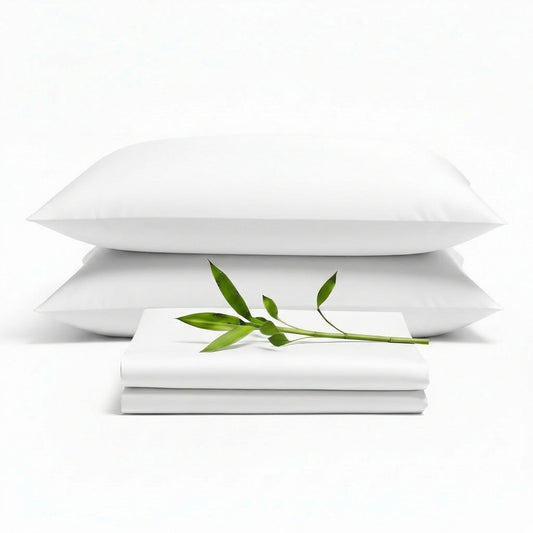
Made from eco-friendly bamboo fibers that are soft, naturally hypoallergenic, and gentle on your skin. Durable, breathable, and good for the environment.

Others


Soft. Smooth. Sublime.
A good night’s sleep can change the way you feel every day. Soft, breathable sheets help you relax, stay comfortable, and wake up refreshed. With Decolure, it’s about enjoying the little moments of comfort that make home feel like home.


Sleep on your new sheets for 100 nights. Truly experience the comfort, wash them, and decide if they're right for you. If you're not completely satisfied, you can get a full refund, no questions asked.

Enjoy a perfect night's sleep with sheets made from the finest, ethically sourced materials. The premium quality ensures they are exceptionally soft, durable, and breathable, night after night.

Rest easy knowing your new sheets are safe and healthy for your family. This certification guarantees they are free from harmful chemicals and produced with environmentally friendly methods.

Keep your sheets looking and feeling great with minimal effort. They're designed to be machine washable and resistant to fading and pilling, so you can enjoy their luxurious feel and vibrant color for a long time.
Explore the Decolure blog to discover simple ways to upgrade your comfort, create a cozy bedroom, and enjoy every moment of rest.

If you sleep hot, you know the pattern by now. You fall asleep fine, wake at some point too warm, throw off the covers, cool down, get cold, pull them back, and repeat until morning. The sheets are almost always part of the problem. Most conventional bedding is designed around softness and durability, not heat management. It feels fine in the store, then traps body heat and moisture against your skin an hour into sleep. For a hot sleeper, the fabric covering roughly 100 square feet of sleep surface every night is not a comfort preference. It's a sleep quality issue. This guide covers the fabrics that actually work, the ones that don't, and the specific Decolure options built around the hot-sleeper problem. What Hot Sleepers Actually Need Hot sleepers need sheets that do two things well: allow airflow and move moisture away from the body. The fabrics that manage both are bamboo viscose (the best all-round option, breathable plus moisture-wicking) and bamboo microfiber cooling weave (maximum airflow, lighter weight). Cotton percale is a solid third choice. Linen breathes well but runs rougher. Skip polyester blends, ultra-high thread counts above 500, and standard satin sheets, since all three trap heat. For most hot sleepers, the practical choice is between the Bamboo Sheet Set for year-round temperature regulation and the Cooling Sheet Set when you run especially warm and want maximum airflow. Why Your Sheets Are Making You Sleep Hotter Your body naturally lowers its core temperature during sleep. That drop is part of normal circadian thermoregulation, and it's how you fall into deeper sleep stages. If your sheets are trapping heat and moisture against your skin, they act as insulation working against you, blocking that drop and pushing you toward overheating. Three specific ways conventional sheets contribute to sleeping hot: Trapped heat comes first. Sheets with dense weaves, very high thread counts, or synthetic construction create a microclimate between your body and the fabric. Heat generated by your body can't dissipate, so it stays next to your skin. Moisture buildup is the second problem. The average person loses roughly half a pint of sweat during a typical night, and sheets that absorb moisture without wicking it hold that sweat against your skin, turning clammy and pulling you out of deep sleep. Low breathability finishes the trio. Fabrics with little airflow don't allow fresh air to circulate through the sheet surface, so they feel neutral at first and grow stifling as body heat builds over hours. The solution isn't just "thinner sheets." Thread count and weight matter less than fiber type and weave structure. A 300 thread count bamboo sheet keeps most hot sleepers cooler than a 1,000 thread count cotton sheet, because the fiber itself manages moisture and temperature differently. The Fabric Guide for Hot Sleepers Bamboo: The Best All-Round Fabric for Hot Sleepers Bamboo viscose is the top recommendation for most hot sleepers. Two reasons compound each other: it wicks moisture more efficiently than cotton, and it regulates temperature through its fiber structure. The mechanism is simple. Bamboo fiber has a naturally porous structure that draws moisture away from the skin surface and lets it evaporate at the sheet surface, rather than absorbing it into the fabric. That evaporation pulls heat away from the body in the process, which is what people mean when they call it "actively cooling." Bamboo viscose is also hypoallergenic and holds up over time. Unlike some technical cooling fabrics, it doesn't feel clinical either. It has the softness of premium cotton with better thermal behavior. What to look for: OEKO-TEX certification matters for bamboo. It confirms the viscose process was done without harmful chemical residues. The Decolure Bamboo Sheet Set is OEKO-TEX certified, 100% viscose from bamboo, 300 thread count, with a deep-pocket fitted sheet that fits mattresses up to 17 inches deep. Available in 15+ colors. Best fit: hot sleepers who want a permanent, high-quality solution they can use year-round. Bamboo Microfiber Cooling Weave: Maximum Airflow Bamboo microfiber is a different construction from bamboo viscose. It's a lightweight, fine-filament fabric designed specifically to maximize airflow rather than prioritize softness or long-fiber durability. Here's the key difference. The microfiber weave is more open and lighter in weight, so there's less material between your body and the surrounding air. That creates noticeably more airflow for sleepers who find even bamboo viscose a little warm on the hottest nights. Decolure's Cooling Sheet Set uses a bamboo microfiber cooling weave designed to wick heat and enhance airflow. It runs lighter than the standard Bamboo Sheet Set at an accessible entry point. The fitted sheet pocket depth is 14 inches, so measure your mattress before ordering. Available in White, Graphite, Light Grey, Light Pink, Beige, Midnight Black, Regal Purple, Cream, Navy Blue, Cool Grey, and Sage Green. Best fit: hot sleepers who run very warm, live in humid climates, or want the most airflow-focused option at an accessible price. Cotton Percale: The Breathable Classic Cotton percale is the traditional recommendation for hot sleepers, and it holds up. Percale is a plain weave (one thread over, one thread under) that creates a crisp, breathable surface with good airflow. What percale does well: Strong breathability from the open plain weave Widely available at many price points Familiar feel most people are comfortable with Where it falls short compared to bamboo: Lower moisture-wicking efficiency, since cotton absorbs moisture into the fiber rather than moving it to the surface for evaporation Requires more frequent washing to stay fresh for hot sleepers who sweat at night Feel changes over time. Percale gets softer with washing but also shows wear differently than bamboo Thread count sweet spot for percale sits at 200 to 400. Higher thread counts in cotton mean denser weaves, which cuts breathability. Counterintuitive but true: a 200 thread count percale breathes better than a 600 thread count cotton sateen. Linen: Durable and Breathable, but Coarser Linen is made from flax fibers and is one of the most breathable natural fabrics available. It's an excellent choice for hot sleepers who prioritize durability and don't mind a rougher initial texture. Strengths: Excellent breathability from the naturally open weave Gets softer and more comfortable after repeated washing Highly durable, with linen sheets often lasting decades with proper care Absorbs moisture, though less actively than bamboo wicks it Honest trade-offs: Starts stiffer and coarser than bamboo or cotton, needing several washes to break in Quality linen bedding sits at a higher price point than cotton or bamboo Wrinkles significantly and doesn't recover without ironing or a dryer cycle For hot sleepers who want breathability above all else and don't mind the break-in, linen is a legitimate pick. For those who want softness alongside cooling, bamboo is the better fit. What to Avoid: Polyester, Very High Thread Counts, and Standard Satin Three choices consistently underperform for hot sleepers. Polyester and synthetic blends don't breathe. Standard polyester creates a microclimate of trapped heat and moisture that gets worse as the night goes on. Athletic polyester (moisture-wicking sportswear) is engineered differently, but standard polyester bedding is built for wrinkle resistance and cost efficiency, not thermal management. Thread counts above 500 are the second trap. Thread count measures how many threads are packed into a square inch of fabric, and beyond 500 the weave becomes dense enough that airflow drops off sharply. Many brands use "400 thread count" as marketing shorthand for premium, but for hot sleepers the correlation actually runs the other way. Lower thread count, more airflow. Standard satin sheets are the third. Satin is a weave type, not a fiber, and most satin sheets on the market are polyester satin. The sheen comes from a weave pattern that floats more threads on the surface, which reduces breathability. Worth noting: satin pillowcases serve a different purpose (friction reduction for skin and hair) and are a separate consideration from your main sheet fabric. Does Thread Count Matter for Hot Sleepers? Less than most marketing implies, and the relationship is inverted from what you'd expect. Thread count measures threads per square inch. Higher counts produce denser, softer fabric, but also cut airflow. For hot sleepers, the sweet spot lands at 200 to 400 thread count, regardless of fiber. Above 400, you're trading breathability for softness. The very high counts (800 to 1,500) marketed as ultra-premium are almost always sateen weave cotton or multi-ply yarns, both of which restrict airflow substantially. Fiber type matters more than thread count. A 300 thread count bamboo viscose sheet outperforms most 600 thread count cotton sateens for heat management, because the fiber's moisture-wicking structure does more work than the weave difference. Decolure's Picks for Hot Sleepers Best for Everyday Hot Sleepers: Bamboo Sheet Set The year-round recommendation. The Bamboo Sheet Set is 100% viscose from bamboo, OEKO-TEX certified, and 300 thread count. Both moisture-wicking and temperature-regulating are baked into the fiber, not treated as secondary features. The deep-pocket fitted sheet fits mattresses up to 17 inches deep, including thick memory foam and hybrid mattresses. Covered by Decolure's 100-Night Sleep Trial. For hot sleepers who want a single set that works across seasons, this is the primary recommendation. The bamboo viscose construction handles summer heat and winter moisture equally well. Best for Maximum Cooling: Cooling Sheet Set The lighter, more airflow-focused option. The Cooling Sheet Set uses a bamboo microfiber cooling weave engineered to enhance airflow and wick heat away from the body. Lighter weight than the Bamboo Sheet Set, which makes it a better match for the hottest months or for sleepers who run very warm even in cooler weather. Fitted sheet pocket depth: 14 inches, best suited for standard and medium-profile mattresses. This is also the most accessible entry point into purpose-built cooling bedding. Best Value Bundle: Year-Round Cooling Set The Year-Round Cooling Set pairs one Bamboo Sheet Set with one White Cooling Sheet Set. The practical logic behind the bundle: washing sheets regularly is essential for hot sleepers, since sweat, body oils, and product residue accumulate faster in bedding used by someone who sweats at night. Having two complete sets means one is always clean and ready, neither is being over-washed, and you never have to pick between sleeping on damp fresh-out-of-the-washer sheets or waiting another night. The bundle also covers both seasonal preferences. The Bamboo Sheet Set handles cooler months and year-round comfort. The Cooling Sheet Set carries the hottest nights when maximum airflow is the priority. How to Choose Between Bamboo and Cooling Sheets | Situation | Recommendation | |---|---| | Sleep warm most nights, want year-round versatility | Bamboo Sheet Set | | Sleep very hot, in a warm climate, or during summer | Cooling Sheet Set | | Want both, rotation and full coverage | Year-Round Cooling Set | | Accessible starting point | Cooling Sheet Set | | Premium bedding investment | Bamboo Sheet Set, upgrade to the bundle later | | Thick mattress (over 14") | Bamboo Sheet Set, 17" pocket | | Standard mattress depth | Either, check depth and choose accordingly | Pocket depth is the one hard constraint. The Cooling Sheet Set is built for mattresses up to 14 inches. If yours is thicker (pillow-top, European top, or thick memory foam models), the Bamboo Sheet Set's 17-inch pocket is the better fit. Full guide to mattress depth and pocket sizing: Decolure Mattress Fit Guide. Other Factors That Affect How Hot You Sleep Sheets are the most directly controllable variable, but they sit inside a broader sleep-heat system. For hot sleepers who've already optimized their sheets: Mattress. Memory foam mattresses are the single biggest heat-trapping factor in most bedrooms. Foam compresses under body weight, cutting airflow around the body. Gel foam moderates the effect but doesn't eliminate it. If you're sleeping hot on a foam mattress, no sheet alone will fully compensate. The physiology behind night heat is covered in more depth in why hot sleepers wake at 3 AM. Pillows trap heat at your head, one of the most heat-sensitive parts of the body. Cooling or latex pillows improve the situation, and bamboo or wool pillow fill breathes better than solid foam. Duvet and comforter fills trap heat differently depending on fill power and weight. Lightweight summer-weight duvets (4.5 tog or lower) dramatically reduce overnight heat buildup compared to year-round weight fills. A breathable duvet cover helps too. Room temperature is worth checking. The optimal sleep range for most adults falls between 65 and 68 degrees Fahrenheit, and above 70, even the best cooling sheets face more heat than they can offset on their own. Pajamas matter more than most people think. Heavy or synthetic sleepwear overrides a good sheet, while lightweight cotton or bamboo works with cooling sheets rather than against them. Also worth reading: breathable bedding for night sweats and the bamboo vs. cotton comparison guide for how fabric choices stack across the full sleep surface. Hot Sleeper Checklist Run this before buying to confirm you're solving the right problem: Current sheets: what fabric and thread count? If polyester or high-count cotton sateen, they're likely part of the heat problem. Mattress depth: measure directly. Cooling Sheet Set fits up to 14 inches. Bamboo Sheet Set fits up to 17 inches. Room temperature: if your room sits consistently above 70 degrees at night, sheets alone won't fully solve the problem. Combine with a lighter duvet and lower thermostat setting. Pillow: a foam pillow plus cooling sheets is a mixed solution. Switching to a breathable fill amplifies the sheet upgrade. Pajamas: synthetic or heavy fabrics offset breathable sheets. Lightweight cotton or bamboo works best alongside cooling bedding. Wash frequency: hot sleepers should wash sheets every 1 to 2 weeks. If you own one set, you end up sleeping on over-washed sheets or skipping cycles. Two sets (see the Year-Round Cooling Set) solves this. Frequently Asked Questions What is the best fabric for hot sleepers? Bamboo viscose is the best all-round choice, combining moisture-wicking with natural temperature regulation. Bamboo microfiber cooling weave and cotton percale are strong alternatives, while polyester, ultra-high thread counts, and standard satin all trap heat. Do cooling sheets actually work? Yes, when they're built from the right fabric. Bamboo viscose and bamboo microfiber weaves deliver measurable results because they wick moisture and enhance airflow, unlike cotton sheets marketed as "cooling" without a purpose-built construction. What thread count is best for hot sleepers? Aim for 200 to 400. Above 400, the weave gets dense enough to reduce airflow, and fiber type matters more than thread count at that point. Is bamboo or cotton better for hot sleepers? Bamboo viscose outperforms cotton for most hot sleepers because it actively wicks moisture rather than absorbing it. Cotton percale still breathes well and remains a fine second choice if you prefer a familiar feel. How often should hot sleepers wash their sheets? Every 1 to 2 weeks. Sweat, body oils, and product residue accumulate faster in sheets used by someone who sweats at night, and washing more often keeps them performing correctly and lasting longer. What pocket depth do I need for thick mattresses? Measure your mattress first. The Cooling Sheet Set fits up to 14 inches, and the Bamboo Sheet Set fits up to 17 inches, which covers most thick memory foam, pillow-top, and hybrid mattresses. Can I use a cooling sheet set in winter? Yes, though it depends on the fabric. Bamboo viscose regulates temperature in both directions and works year-round, while the Cooling Sheet Set's lighter microfiber build is best for warmer months, typically paired with a heavier duvet in cold weather. Are Decolure bamboo sheets OEKO-TEX certified? Yes. The Bamboo Sheet Set is OEKO-TEX certified, confirming the finished product is free from harmful chemicals and safe for skin contact, which matters especially for hot sleepers with sensitive skin. Ready to sleep cooler? Start with the Bamboo Sheet Set for the year-round solution, or the Cooling Sheet Set for maximum airflow at an accessible entry point. Both are covered by Decolure's 100-Night Sleep Trial.
If you sleep hot, you know the pattern by now. You fall asleep fine, wake at some point too warm, throw off the covers, cool down, get cold, pull them back, and repeat until morning. The sheets are almost always part of the problem. Most conventional bedding is designed around softness and durability, not heat management. It feels fine in the store, then traps body heat and moisture against your skin an hour into sleep. For a hot sleeper, the fabric covering roughly 100 square feet of sleep surface every night is not a comfort preference. It's a sleep quality issue. This guide covers the fabrics that actually work, the ones that don't, and the specific Decolure options built around the hot-sleeper problem. What Hot Sleepers Actually Need Hot sleepers need sheets that do two things well: allow airflow and move moisture away from the body. The fabrics that manage both are bamboo viscose (the best all-round option, breathable plus moisture-wicking) and bamboo microfiber cooling weave (maximum airflow, lighter weight). Cotton percale is a solid third choice. Linen breathes well but runs rougher. Skip polyester blends, ultra-high thread counts above 500, and standard satin sheets, since all three trap heat. For most hot sleepers, the practical choice is between the Bamboo Sheet Set for year-round temperature regulation and the Cooling Sheet Set when you run especially warm and want maximum airflow. Why Your Sheets Are Making You Sleep Hotter Your body naturally lowers its core temperature during sleep. That drop is part of normal circadian thermoregulation, and it's how you fall into deeper sleep stages. If your sheets are trapping heat and moisture against your skin, they act as insulation working against you, blocking that drop and pushing you toward overheating. Three specific ways conventional sheets contribute to sleeping hot: Trapped heat comes first. Sheets with dense weaves, very high thread counts, or synthetic construction create a microclimate between your body and the fabric. Heat generated by your body can't dissipate, so it stays next to your skin. Moisture buildup is the second problem. The average person loses roughly half a pint of sweat during a typical night, and sheets that absorb moisture without wicking it hold that sweat against your skin, turning clammy and pulling you out of deep sleep. Low breathability finishes the trio. Fabrics with little airflow don't allow fresh air to circulate through the sheet surface, so they feel neutral at first and grow stifling as body heat builds over hours. The solution isn't just "thinner sheets." Thread count and weight matter less than fiber type and weave structure. A 300 thread count bamboo sheet keeps most hot sleepers cooler than a 1,000 thread count cotton sheet, because the fiber itself manages moisture and temperature differently. The Fabric Guide for Hot Sleepers Bamboo: The Best All-Round Fabric for Hot Sleepers Bamboo viscose is the top recommendation for most hot sleepers. Two reasons compound each other: it wicks moisture more efficiently than cotton, and it regulates temperature through its fiber structure. The mechanism is simple. Bamboo fiber has a naturally porous structure that draws moisture away from the skin surface and lets it evaporate at the sheet surface, rather than absorbing it into the fabric. That evaporation pulls heat away from the body in the process, which is what people mean when they call it "actively cooling." Bamboo viscose is also hypoallergenic and holds up over time. Unlike some technical cooling fabrics, it doesn't feel clinical either. It has the softness of premium cotton with better thermal behavior. What to look for: OEKO-TEX certification matters for bamboo. It confirms the viscose process was done without harmful chemical residues. The Decolure Bamboo Sheet Set is OEKO-TEX certified, 100% viscose from bamboo, 300 thread count, with a deep-pocket fitted sheet that fits mattresses up to 17 inches deep. Available in 15+ colors. Best fit: hot sleepers who want a permanent, high-quality solution they can use year-round. Bamboo Microfiber Cooling Weave: Maximum Airflow Bamboo microfiber is a different construction from bamboo viscose. It's a lightweight, fine-filament fabric designed specifically to maximize airflow rather than prioritize softness or long-fiber durability. Here's the key difference. The microfiber weave is more open and lighter in weight, so there's less material between your body and the surrounding air. That creates noticeably more airflow for sleepers who find even bamboo viscose a little warm on the hottest nights. Decolure's Cooling Sheet Set uses a bamboo microfiber cooling weave designed to wick heat and enhance airflow. It runs lighter than the standard Bamboo Sheet Set at an accessible entry point. The fitted sheet pocket depth is 14 inches, so measure your mattress before ordering. Available in White, Graphite, Light Grey, Light Pink, Beige, Midnight Black, Regal Purple, Cream, Navy Blue, Cool Grey, and Sage Green. Best fit: hot sleepers who run very warm, live in humid climates, or want the most airflow-focused option at an accessible price. Cotton Percale: The Breathable Classic Cotton percale is the traditional recommendation for hot sleepers, and it holds up. Percale is a plain weave (one thread over, one thread under) that creates a crisp, breathable surface with good airflow. What percale does well: Strong breathability from the open plain weave Widely available at many price points Familiar feel most people are comfortable with Where it falls short compared to bamboo: Lower moisture-wicking efficiency, since cotton absorbs moisture into the fiber rather than moving it to the surface for evaporation Requires more frequent washing to stay fresh for hot sleepers who sweat at night Feel changes over time. Percale gets softer with washing but also shows wear differently than bamboo Thread count sweet spot for percale sits at 200 to 400. Higher thread counts in cotton mean denser weaves, which cuts breathability. Counterintuitive but true: a 200 thread count percale breathes better than a 600 thread count cotton sateen. Linen: Durable and Breathable, but Coarser Linen is made from flax fibers and is one of the most breathable natural fabrics available. It's an excellent choice for hot sleepers who prioritize durability and don't mind a rougher initial texture. Strengths: Excellent breathability from the naturally open weave Gets softer and more comfortable after repeated washing Highly durable, with linen sheets often lasting decades with proper care Absorbs moisture, though less actively than bamboo wicks it Honest trade-offs: Starts stiffer and coarser than bamboo or cotton, needing several washes to break in Quality linen bedding sits at a higher price point than cotton or bamboo Wrinkles significantly and doesn't recover without ironing or a dryer cycle For hot sleepers who want breathability above all else and don't mind the break-in, linen is a legitimate pick. For those who want softness alongside cooling, bamboo is the better fit. What to Avoid: Polyester, Very High Thread Counts, and Standard Satin Three choices consistently underperform for hot sleepers. Polyester and synthetic blends don't breathe. Standard polyester creates a microclimate of trapped heat and moisture that gets worse as the night goes on. Athletic polyester (moisture-wicking sportswear) is engineered differently, but standard polyester bedding is built for wrinkle resistance and cost efficiency, not thermal management. Thread counts above 500 are the second trap. Thread count measures how many threads are packed into a square inch of fabric, and beyond 500 the weave becomes dense enough that airflow drops off sharply. Many brands use "400 thread count" as marketing shorthand for premium, but for hot sleepers the correlation actually runs the other way. Lower thread count, more airflow. Standard satin sheets are the third. Satin is a weave type, not a fiber, and most satin sheets on the market are polyester satin. The sheen comes from a weave pattern that floats more threads on the surface, which reduces breathability. Worth noting: satin pillowcases serve a different purpose (friction reduction for skin and hair) and are a separate consideration from your main sheet fabric. Does Thread Count Matter for Hot Sleepers? Less than most marketing implies, and the relationship is inverted from what you'd expect. Thread count measures threads per square inch. Higher counts produce denser, softer fabric, but also cut airflow. For hot sleepers, the sweet spot lands at 200 to 400 thread count, regardless of fiber. Above 400, you're trading breathability for softness. The very high counts (800 to 1,500) marketed as ultra-premium are almost always sateen weave cotton or multi-ply yarns, both of which restrict airflow substantially. Fiber type matters more than thread count. A 300 thread count bamboo viscose sheet outperforms most 600 thread count cotton sateens for heat management, because the fiber's moisture-wicking structure does more work than the weave difference. Decolure's Picks for Hot Sleepers Best for Everyday Hot Sleepers: Bamboo Sheet Set The year-round recommendation. The Bamboo Sheet Set is 100% viscose from bamboo, OEKO-TEX certified, and 300 thread count. Both moisture-wicking and temperature-regulating are baked into the fiber, not treated as secondary features. The deep-pocket fitted sheet fits mattresses up to 17 inches deep, including thick memory foam and hybrid mattresses. Covered by Decolure's 100-Night Sleep Trial. For hot sleepers who want a single set that works across seasons, this is the primary recommendation. The bamboo viscose construction handles summer heat and winter moisture equally well. Best for Maximum Cooling: Cooling Sheet Set The lighter, more airflow-focused option. The Cooling Sheet Set uses a bamboo microfiber cooling weave engineered to enhance airflow and wick heat away from the body. Lighter weight than the Bamboo Sheet Set, which makes it a better match for the hottest months or for sleepers who run very warm even in cooler weather. Fitted sheet pocket depth: 14 inches, best suited for standard and medium-profile mattresses. This is also the most accessible entry point into purpose-built cooling bedding. Best Value Bundle: Year-Round Cooling Set The Year-Round Cooling Set pairs one Bamboo Sheet Set with one White Cooling Sheet Set. The practical logic behind the bundle: washing sheets regularly is essential for hot sleepers, since sweat, body oils, and product residue accumulate faster in bedding used by someone who sweats at night. Having two complete sets means one is always clean and ready, neither is being over-washed, and you never have to pick between sleeping on damp fresh-out-of-the-washer sheets or waiting another night. The bundle also covers both seasonal preferences. The Bamboo Sheet Set handles cooler months and year-round comfort. The Cooling Sheet Set carries the hottest nights when maximum airflow is the priority. How to Choose Between Bamboo and Cooling Sheets | Situation | Recommendation | |---|---| | Sleep warm most nights, want year-round versatility | Bamboo Sheet Set | | Sleep very hot, in a warm climate, or during summer | Cooling Sheet Set | | Want both, rotation and full coverage | Year-Round Cooling Set | | Accessible starting point | Cooling Sheet Set | | Premium bedding investment | Bamboo Sheet Set, upgrade to the bundle later | | Thick mattress (over 14") | Bamboo Sheet Set, 17" pocket | | Standard mattress depth | Either, check depth and choose accordingly | Pocket depth is the one hard constraint. The Cooling Sheet Set is built for mattresses up to 14 inches. If yours is thicker (pillow-top, European top, or thick memory foam models), the Bamboo Sheet Set's 17-inch pocket is the better fit. Full guide to mattress depth and pocket sizing: Decolure Mattress Fit Guide. Other Factors That Affect How Hot You Sleep Sheets are the most directly controllable variable, but they sit inside a broader sleep-heat system. For hot sleepers who've already optimized their sheets: Mattress. Memory foam mattresses are the single biggest heat-trapping factor in most bedrooms. Foam compresses under body weight, cutting airflow around the body. Gel foam moderates the effect but doesn't eliminate it. If you're sleeping hot on a foam mattress, no sheet alone will fully compensate. The physiology behind night heat is covered in more depth in why hot sleepers wake at 3 AM. Pillows trap heat at your head, one of the most heat-sensitive parts of the body. Cooling or latex pillows improve the situation, and bamboo or wool pillow fill breathes better than solid foam. Duvet and comforter fills trap heat differently depending on fill power and weight. Lightweight summer-weight duvets (4.5 tog or lower) dramatically reduce overnight heat buildup compared to year-round weight fills. A breathable duvet cover helps too. Room temperature is worth checking. The optimal sleep range for most adults falls between 65 and 68 degrees Fahrenheit, and above 70, even the best cooling sheets face more heat than they can offset on their own. Pajamas matter more than most people think. Heavy or synthetic sleepwear overrides a good sheet, while lightweight cotton or bamboo works with cooling sheets rather than against them. Also worth reading: breathable bedding for night sweats and the bamboo vs. cotton comparison guide for how fabric choices stack across the full sleep surface. Hot Sleeper Checklist Run this before buying to confirm you're solving the right problem: Current sheets: what fabric and thread count? If polyester or high-count cotton sateen, they're likely part of the heat problem. Mattress depth: measure directly. Cooling Sheet Set fits up to 14 inches. Bamboo Sheet Set fits up to 17 inches. Room temperature: if your room sits consistently above 70 degrees at night, sheets alone won't fully solve the problem. Combine with a lighter duvet and lower thermostat setting. Pillow: a foam pillow plus cooling sheets is a mixed solution. Switching to a breathable fill amplifies the sheet upgrade. Pajamas: synthetic or heavy fabrics offset breathable sheets. Lightweight cotton or bamboo works best alongside cooling bedding. Wash frequency: hot sleepers should wash sheets every 1 to 2 weeks. If you own one set, you end up sleeping on over-washed sheets or skipping cycles. Two sets (see the Year-Round Cooling Set) solves this. Frequently Asked Questions What is the best fabric for hot sleepers? Bamboo viscose is the best all-round choice, combining moisture-wicking with natural temperature regulation. Bamboo microfiber cooling weave and cotton percale are strong alternatives, while polyester, ultra-high thread counts, and standard satin all trap heat. Do cooling sheets actually work? Yes, when they're built from the right fabric. Bamboo viscose and bamboo microfiber weaves deliver measurable results because they wick moisture and enhance airflow, unlike cotton sheets marketed as "cooling" without a purpose-built construction. What thread count is best for hot sleepers? Aim for 200 to 400. Above 400, the weave gets dense enough to reduce airflow, and fiber type matters more than thread count at that point. Is bamboo or cotton better for hot sleepers? Bamboo viscose outperforms cotton for most hot sleepers because it actively wicks moisture rather than absorbing it. Cotton percale still breathes well and remains a fine second choice if you prefer a familiar feel. How often should hot sleepers wash their sheets? Every 1 to 2 weeks. Sweat, body oils, and product residue accumulate faster in sheets used by someone who sweats at night, and washing more often keeps them performing correctly and lasting longer. What pocket depth do I need for thick mattresses? Measure your mattress first. The Cooling Sheet Set fits up to 14 inches, and the Bamboo Sheet Set fits up to 17 inches, which covers most thick memory foam, pillow-top, and hybrid mattresses. Can I use a cooling sheet set in winter? Yes, though it depends on the fabric. Bamboo viscose regulates temperature in both directions and works year-round, while the Cooling Sheet Set's lighter microfiber build is best for warmer months, typically paired with a heavier duvet in cold weather. Are Decolure bamboo sheets OEKO-TEX certified? Yes. The Bamboo Sheet Set is OEKO-TEX certified, confirming the finished product is free from harmful chemicals and safe for skin contact, which matters especially for hot sleepers with sensitive skin. Ready to sleep cooler? Start with the Bamboo Sheet Set for the year-round solution, or the Cooling Sheet Set for maximum airflow at an accessible entry point. Both are covered by Decolure's 100-Night Sleep Trial.

You've seen the claims on beauty blogs, in skincare routines, in every "morning routine" video from anyone with enviable skin or effortlessly smooth hair: silk pillowcases are the secret. The promise is consistent, better skin, less frizz, fewer sleep lines, maybe even clearer acne. But the skepticism is reasonable too. Is this a legitimate textile upgrade, or a luxury product riding on beautiful packaging? The short answer: the benefits are real, but they come from a specific mechanism that most people explaining it get wrong. This guide breaks down what silk pillowcases actually do, why the surface matters for both skin and hair, and how to choose the right option without overspending. Here Is What the Research Actually Shows Silk pillowcases reduce the friction your skin and hair experience during sleep. Mulberry silk has a tightly woven, smooth fiber structure, so it creates far less drag against your face and hair than cotton or linen does. Less friction means fewer sleep lines, less cuticle disruption in your hair, and a cleaner surface for skin that's already managing oil and product overnight. The benefits are mechanical, not magical. What Makes a Silk Pillowcase Different From Regular Cotton Most pillowcases are made from cotton, which has a reputation as a gentle fabric but actually has a fairly rough fiber structure up close. That textured weave grips your skin and hair as you move during sleep, and the average person shifts position 40 to 50 times a night. Over seven or eight hours, that repetitive friction adds up. Silk is a natural protein fiber produced by silkworms. Mulberry silk, the variety used in quality pillowcases, is the most uniform and tightly woven type available. Its surface is smooth at the fiber level, which is why it creates noticeably less drag against skin and hair than cotton, linen, or most synthetic fabrics. A high-quality silk pillowcase gets its performance from a few key properties: A smooth fiber surface that reduces friction during sleep Natural temperature regulation, since silk breathes and doesn't trap body heat the way synthetic fabrics do Low moisture absorption compared to cotton, so it doesn't pull sebum and overnight skincare products away from your skin A protein fiber structure that's gentle on both hair cuticles and skin Durability that holds up over time. A 30-momme silk pillowcase keeps its surface quality through regular washing Momme is the weight measurement for silk, roughly the equivalent of thread count for cotton. 30 momme is the sweet spot for pillowcases: dense enough to be durable, smooth enough to deliver the friction-reduction benefit. Lighter weights, below 19 momme, feel less substantial and wear out faster. Are Silk Pillowcases Good for Your Skin? Yes, though not in the way most people assume. Silk doesn't do anything active to your skin. It won't exfoliate, hydrate, or stimulate collagen. What it does is reduce the mechanical stress your skin experiences for eight hours every night, and it doesn't aggressively pull away the products you applied before bed. How the Surface Affects Sleep Lines and Creasing Sleep lines are the temporary creases you see in the morning, formed when skin is pressed and held against a rough surface for hours. On cotton, the textured weave holds skin in a compressed position, and the friction keeps it pinned there. On silk, skin can slide gently with movement instead of staying stuck. For most people, sleep lines from cotton fade within an hour of waking up. Over years, though, repeated compression in the same spots, especially the cheek and eye area for side sleepers, can contribute to permanent expression lines. Reducing that nightly friction is a long-term skin-preservation habit, not a miracle cure. The Decolure Silk Sleep Pillowcase is made from 100% mulberry silk at 30 momme, which is exactly the weight that delivers the surface smoothness needed for friction reduction to be measurable. Do Silk Pillowcases Help With Acne? Yes, in a limited but real way. Silk pillowcases won't treat acne directly. They don't kill bacteria or reduce sebum production. What they do is keep your sleep surface cleaner and less irritating for skin that's already prone to breakouts. Cotton can actually make acne-prone skin worse in a few ways. It's highly absorbent, so it pulls moisture, oils, and any skincare products you applied before bed into the fabric, where they sit against your face for hours combining with sweat and bacteria. Its textured surface also traps dead skin cells and dust mites more readily than a tight weave. And the extra friction can irritate already-inflamed skin and slow healing. Silk avoids all three problems. Less oil and product gets pulled into the fabric, the smoother surface causes less physical irritation, and better breathability means less heat and humidity buildup overnight. This isn't a substitute for an effective skincare routine or acne treatment. But if you're already managing breakouts, removing a nightly friction and absorption problem is a worthwhile upgrade. What About Moisture and Skin Products? This is the benefit most often explained poorly. The claim that silk "keeps your skincare on your skin" is only partially accurate. Cotton absorbs moisture aggressively. Sleep on it after applying a serum, moisturizer, or face oil, and a portion of those products transfers straight into the fabric overnight. A silk pillowcase's lower absorbency means more of what you applied stays where it's supposed to work. This matters most for night serums and retinols, which do their most active work in the first hour of sleep, thick overnight moisturizers, which transfer to cotton easily, and hydrating sleep masks, which hold up better on a silk surface. The effect is real, but keep expectations calibrated. Silk doesn't create a barrier that traps products permanently. It just slows down the rate they absorb into fabric instead of skin. Do Silk Pillowcases Help With Hair? Yes, and this is where the benefits are most immediately noticeable. Hair damage during sleep is a real problem, especially for dry, curly, color-treated, or fragile hair, and the culprit is the same friction that affects skin. As you move on a cotton pillowcase, the rough weave grabs hair strands and lifts the cuticle, the protective outer scale of each strand, causing breakage, frizz, and tangling. Frizz and Morning Tangles Healthy hair has cuticle scales that lie flat, which is what makes it look smooth and shiny. Under friction, those scales lift and separate, which is what makes hair look frizzy and damaged. A cotton pillowcase's textured weave lifts the cuticle across thousands of micro-movements a night, so by morning you're dealing with frizz, tangles at the back of the head, and accelerated breakage over time. Silk's smooth surface lets hair slide instead of catching, so cuticle scales stay flat. The result is genuinely smoother hair in the morning, not because silk adds anything, but because it stops undoing the smoothness that was already there. The Decolure Silk Sleep Pillowcase, at 30-momme mulberry silk, is built around exactly this mechanism, reducing frizz, tangles, and sleep lines by minimizing the friction hair experiences overnight. Curly and Color-Treated Hair For curly hair, the benefit is amplified. Curl pattern depends on the cuticle lying flat, and friction disrupts that pattern, creating frizz that takes real effort to restore in the morning. Sleeping on silk preserves curl definition overnight instead of fighting it every day. For color-treated hair, friction accelerates color fade by lifting the cuticle scales that hold the dye in place, so a smoother sleep surface genuinely helps color last longer. For fine or fragile hair, less mechanical stress during sleep means less breakage, and hair lost to friction doesn't grow back quickly. Silk vs. Satin Pillowcases: Which Is Better? This is the comparison most shoppers eventually land on, so it's worth answering directly. Both fabrics offer significant friction reduction compared to cotton or linen, and for the primary benefit, fewer sleep lines and less hair frizz, satin performs very well at a much more accessible price. Silk pulls ahead on breathability, longevity when cared for properly, and the fuller benefit stack for high-heat sleepers or acne-prone skin, where moisture management matters more. If you want to try the friction-reduction benefits without committing to a premium fabric, satin is the smart starting point. The Decolure Satin Sheet Set includes matching pillowcases with a 600-thread-count cool-touch satin weave. If you want the complete benefit stack, silk is the upgrade worth making. For a middle path, the Decolure Glow-Up Set pairs both: the Satin Sheet Set for body coverage, plus two Silver Grey 30-momme mulberry silk pillowcases for the face and hair surface where the benefits matter most, versus buying each item separately. How to Choose the Right Silk Pillowcase Not all silk pillowcases deliver equal results. Before buying, check three things. Momme Weight Momme measures how much 100 meters by 1 meter of the fabric weighs, and it works the same way thread count does for cotton: higher generally means denser and more durable, up to a point. Below 19 momme: thin, delicate, wears out quickly with washing 19 to 25 momme: mid-range, fine for occasional use 25 to 30 momme: the quality sweet spot for pillowcases, dense enough to last, smooth enough to work Above 30 momme: heavier luxury fabric, excellent but often more than a pillowcase needs The Decolure Silk Sleep Pillowcase sits at 30 momme, the high end of that sweet spot for both performance and durability. Size Matching your pillowcase size to your pillow matters more than most people realize. An oversized pillowcase bunches and shifts during sleep, which cuts into the friction-prevention benefit. Standard: 20" x 26", fits standard pillows, suitable for most sleepers Queen: 20" x 30", slightly longer, ideal for queen-size pillows or people who move a lot during sleep King: 20" x 36", extra length for king pillows, keeps the pillowcase from pulling off overnight Decolure offers all three sizes in the Silk Sleep Pillowcase. What Decolure Offers Silk Sleep Pillowcase: 100% mulberry silk, 30 momme, in six colors: Silver Grey, White, Champagne, Ivory, Coral, and Gray. Available in Standard, Queen, and King. Sold as a single pillowcase, so buy two for a set. Machine-care on delicate cycle, air dry. Covered by Decolure's 100-Night Sleep Trial. The Glow-Up Set: One Satin Sheet Set (your choice of color) paired with two Silver Grey mulberry silk pillowcases: smooth satin for your full body surface, premium silk for the face and hair contact zone. Available in Queen and King, 4-piece or 6-piece configurations. Covered by the 100-Night Sleep Trial. Satin Sheet Set: 600-thread-count cool-touch satin weave, including fitted sheet, flat sheet, and matching pillowcases. Fits mattresses up to 15 inches deep. The accessible entry point for friction-reduction benefits across your entire sleep surface. For a full breakdown of size and pocket compatibility, see the Decolure Mattress Fit Guide. Who Gets the Most Benefit From a Silk Pillowcase? The benefit is highest for side sleepers, since they get the most face-to-pillow contact time every night; curly or coily hair types, where cuticle preservation matters most for pattern definition; color-treated hair, where friction is a leading cause of fade; acne-prone or sensitive skin, where less irritation and surface bacteria makes a real difference; active skincare users who want overnight products to stay put longer; and hot sleepers, since natural silk breathes better than synthetic alternatives. Back sleepers, people with normal or oily skin, and straight or coarser hair types will still notice a difference, just a less dramatic one, since they're dealing with less direct friction or more resilient cuticles to begin with. If you're sleeping on cotton right now, switching to either silk or satin will produce a noticeable result within the first week. Hair is the fastest tell, the change is immediate. Skin benefits build up over weeks and months. For a side-by-side comparison of silk and satin performance across different hair and skin types, see Decolure's pillow guide comparing silk vs. satin materials. Frequently Asked Questions Are silk pillowcases actually worth it for skin? Yes, for mechanical reasons more than magical ones. Less friction means fewer sleep lines and less irritation for acne-prone skin, with most people noticing clearer mornings after 2 to 4 weeks of consistent use. Do silk pillowcases help with acne? They help by removing aggravating factors rather than treating breakouts directly: less absorbed oil, less friction, less irritation for skin that's already inflamed. Do silk pillowcases help with frizzy hair? Yes, and it's usually the first thing people notice, especially with curly, coily, or chemically treated hair where cuticle preservation matters most. What momme weight should a silk pillowcase be? Look for 25 to 30 momme. The Decolure Silk Sleep Pillowcase sits at 30 momme, and if a pillowcase is marketed as "silk" with no momme rating listed, that's worth questioning. What's the difference between silk and satin pillowcases? Silk is a natural fiber; satin is a weave type, usually made from polyester. Silk has the edge in breathability and temperature regulation, while satin is more accessible and fully machine-washable. How do I wash a silk pillowcase without ruining it? Use a delicate or silk-specific machine cycle with cold water, or hand-wash in lukewarm water with gentle detergent. Skip the wringing, lay flat or hang to air dry, and never tumble dry on high heat. Can a silk pillowcase replace my morning hair routine? It won't replace your routine, but it shortens it: less detangling, less frizz to smooth out, and better overnight curl definition for curly hair. Does the color of a silk pillowcase matter? Only for aesthetics, not performance. Every colorway of the Decolure Silk Sleep Pillowcase uses the same 30-momme mulberry silk base, so the friction-reduction and hair benefits are identical across Silver Grey, White, Champagne, Ivory, Coral, and Gray. Ready to upgrade your sleep surface? Start with the Silk Sleep Pillowcase for the premium experience, or explore the Glow-Up Set if you want silk pillowcases paired with a matching satin sheet set. Both are covered by Decolure's 100-Night Sleep Trial.
You've seen the claims on beauty blogs, in skincare routines, in every "morning routine" video from anyone with enviable skin or effortlessly smooth hair: silk pillowcases are the secret. The promise is consistent, better skin, less frizz, fewer sleep lines, maybe even clearer acne. But the skepticism is reasonable too. Is this a legitimate textile upgrade, or a luxury product riding on beautiful packaging? The short answer: the benefits are real, but they come from a specific mechanism that most people explaining it get wrong. This guide breaks down what silk pillowcases actually do, why the surface matters for both skin and hair, and how to choose the right option without overspending. Here Is What the Research Actually Shows Silk pillowcases reduce the friction your skin and hair experience during sleep. Mulberry silk has a tightly woven, smooth fiber structure, so it creates far less drag against your face and hair than cotton or linen does. Less friction means fewer sleep lines, less cuticle disruption in your hair, and a cleaner surface for skin that's already managing oil and product overnight. The benefits are mechanical, not magical. What Makes a Silk Pillowcase Different From Regular Cotton Most pillowcases are made from cotton, which has a reputation as a gentle fabric but actually has a fairly rough fiber structure up close. That textured weave grips your skin and hair as you move during sleep, and the average person shifts position 40 to 50 times a night. Over seven or eight hours, that repetitive friction adds up. Silk is a natural protein fiber produced by silkworms. Mulberry silk, the variety used in quality pillowcases, is the most uniform and tightly woven type available. Its surface is smooth at the fiber level, which is why it creates noticeably less drag against skin and hair than cotton, linen, or most synthetic fabrics. A high-quality silk pillowcase gets its performance from a few key properties: A smooth fiber surface that reduces friction during sleep Natural temperature regulation, since silk breathes and doesn't trap body heat the way synthetic fabrics do Low moisture absorption compared to cotton, so it doesn't pull sebum and overnight skincare products away from your skin A protein fiber structure that's gentle on both hair cuticles and skin Durability that holds up over time. A 30-momme silk pillowcase keeps its surface quality through regular washing Momme is the weight measurement for silk, roughly the equivalent of thread count for cotton. 30 momme is the sweet spot for pillowcases: dense enough to be durable, smooth enough to deliver the friction-reduction benefit. Lighter weights, below 19 momme, feel less substantial and wear out faster. Are Silk Pillowcases Good for Your Skin? Yes, though not in the way most people assume. Silk doesn't do anything active to your skin. It won't exfoliate, hydrate, or stimulate collagen. What it does is reduce the mechanical stress your skin experiences for eight hours every night, and it doesn't aggressively pull away the products you applied before bed. How the Surface Affects Sleep Lines and Creasing Sleep lines are the temporary creases you see in the morning, formed when skin is pressed and held against a rough surface for hours. On cotton, the textured weave holds skin in a compressed position, and the friction keeps it pinned there. On silk, skin can slide gently with movement instead of staying stuck. For most people, sleep lines from cotton fade within an hour of waking up. Over years, though, repeated compression in the same spots, especially the cheek and eye area for side sleepers, can contribute to permanent expression lines. Reducing that nightly friction is a long-term skin-preservation habit, not a miracle cure. The Decolure Silk Sleep Pillowcase is made from 100% mulberry silk at 30 momme, which is exactly the weight that delivers the surface smoothness needed for friction reduction to be measurable. Do Silk Pillowcases Help With Acne? Yes, in a limited but real way. Silk pillowcases won't treat acne directly. They don't kill bacteria or reduce sebum production. What they do is keep your sleep surface cleaner and less irritating for skin that's already prone to breakouts. Cotton can actually make acne-prone skin worse in a few ways. It's highly absorbent, so it pulls moisture, oils, and any skincare products you applied before bed into the fabric, where they sit against your face for hours combining with sweat and bacteria. Its textured surface also traps dead skin cells and dust mites more readily than a tight weave. And the extra friction can irritate already-inflamed skin and slow healing. Silk avoids all three problems. Less oil and product gets pulled into the fabric, the smoother surface causes less physical irritation, and better breathability means less heat and humidity buildup overnight. This isn't a substitute for an effective skincare routine or acne treatment. But if you're already managing breakouts, removing a nightly friction and absorption problem is a worthwhile upgrade. What About Moisture and Skin Products? This is the benefit most often explained poorly. The claim that silk "keeps your skincare on your skin" is only partially accurate. Cotton absorbs moisture aggressively. Sleep on it after applying a serum, moisturizer, or face oil, and a portion of those products transfers straight into the fabric overnight. A silk pillowcase's lower absorbency means more of what you applied stays where it's supposed to work. This matters most for night serums and retinols, which do their most active work in the first hour of sleep, thick overnight moisturizers, which transfer to cotton easily, and hydrating sleep masks, which hold up better on a silk surface. The effect is real, but keep expectations calibrated. Silk doesn't create a barrier that traps products permanently. It just slows down the rate they absorb into fabric instead of skin. Do Silk Pillowcases Help With Hair? Yes, and this is where the benefits are most immediately noticeable. Hair damage during sleep is a real problem, especially for dry, curly, color-treated, or fragile hair, and the culprit is the same friction that affects skin. As you move on a cotton pillowcase, the rough weave grabs hair strands and lifts the cuticle, the protective outer scale of each strand, causing breakage, frizz, and tangling. Frizz and Morning Tangles Healthy hair has cuticle scales that lie flat, which is what makes it look smooth and shiny. Under friction, those scales lift and separate, which is what makes hair look frizzy and damaged. A cotton pillowcase's textured weave lifts the cuticle across thousands of micro-movements a night, so by morning you're dealing with frizz, tangles at the back of the head, and accelerated breakage over time. Silk's smooth surface lets hair slide instead of catching, so cuticle scales stay flat. The result is genuinely smoother hair in the morning, not because silk adds anything, but because it stops undoing the smoothness that was already there. The Decolure Silk Sleep Pillowcase, at 30-momme mulberry silk, is built around exactly this mechanism, reducing frizz, tangles, and sleep lines by minimizing the friction hair experiences overnight. Curly and Color-Treated Hair For curly hair, the benefit is amplified. Curl pattern depends on the cuticle lying flat, and friction disrupts that pattern, creating frizz that takes real effort to restore in the morning. Sleeping on silk preserves curl definition overnight instead of fighting it every day. For color-treated hair, friction accelerates color fade by lifting the cuticle scales that hold the dye in place, so a smoother sleep surface genuinely helps color last longer. For fine or fragile hair, less mechanical stress during sleep means less breakage, and hair lost to friction doesn't grow back quickly. Silk vs. Satin Pillowcases: Which Is Better? This is the comparison most shoppers eventually land on, so it's worth answering directly. Both fabrics offer significant friction reduction compared to cotton or linen, and for the primary benefit, fewer sleep lines and less hair frizz, satin performs very well at a much more accessible price. Silk pulls ahead on breathability, longevity when cared for properly, and the fuller benefit stack for high-heat sleepers or acne-prone skin, where moisture management matters more. If you want to try the friction-reduction benefits without committing to a premium fabric, satin is the smart starting point. The Decolure Satin Sheet Set includes matching pillowcases with a 600-thread-count cool-touch satin weave. If you want the complete benefit stack, silk is the upgrade worth making. For a middle path, the Decolure Glow-Up Set pairs both: the Satin Sheet Set for body coverage, plus two Silver Grey 30-momme mulberry silk pillowcases for the face and hair surface where the benefits matter most, versus buying each item separately. How to Choose the Right Silk Pillowcase Not all silk pillowcases deliver equal results. Before buying, check three things. Momme Weight Momme measures how much 100 meters by 1 meter of the fabric weighs, and it works the same way thread count does for cotton: higher generally means denser and more durable, up to a point. Below 19 momme: thin, delicate, wears out quickly with washing 19 to 25 momme: mid-range, fine for occasional use 25 to 30 momme: the quality sweet spot for pillowcases, dense enough to last, smooth enough to work Above 30 momme: heavier luxury fabric, excellent but often more than a pillowcase needs The Decolure Silk Sleep Pillowcase sits at 30 momme, the high end of that sweet spot for both performance and durability. Size Matching your pillowcase size to your pillow matters more than most people realize. An oversized pillowcase bunches and shifts during sleep, which cuts into the friction-prevention benefit. Standard: 20" x 26", fits standard pillows, suitable for most sleepers Queen: 20" x 30", slightly longer, ideal for queen-size pillows or people who move a lot during sleep King: 20" x 36", extra length for king pillows, keeps the pillowcase from pulling off overnight Decolure offers all three sizes in the Silk Sleep Pillowcase. What Decolure Offers Silk Sleep Pillowcase: 100% mulberry silk, 30 momme, in six colors: Silver Grey, White, Champagne, Ivory, Coral, and Gray. Available in Standard, Queen, and King. Sold as a single pillowcase, so buy two for a set. Machine-care on delicate cycle, air dry. Covered by Decolure's 100-Night Sleep Trial. The Glow-Up Set: One Satin Sheet Set (your choice of color) paired with two Silver Grey mulberry silk pillowcases: smooth satin for your full body surface, premium silk for the face and hair contact zone. Available in Queen and King, 4-piece or 6-piece configurations. Covered by the 100-Night Sleep Trial. Satin Sheet Set: 600-thread-count cool-touch satin weave, including fitted sheet, flat sheet, and matching pillowcases. Fits mattresses up to 15 inches deep. The accessible entry point for friction-reduction benefits across your entire sleep surface. For a full breakdown of size and pocket compatibility, see the Decolure Mattress Fit Guide. Who Gets the Most Benefit From a Silk Pillowcase? The benefit is highest for side sleepers, since they get the most face-to-pillow contact time every night; curly or coily hair types, where cuticle preservation matters most for pattern definition; color-treated hair, where friction is a leading cause of fade; acne-prone or sensitive skin, where less irritation and surface bacteria makes a real difference; active skincare users who want overnight products to stay put longer; and hot sleepers, since natural silk breathes better than synthetic alternatives. Back sleepers, people with normal or oily skin, and straight or coarser hair types will still notice a difference, just a less dramatic one, since they're dealing with less direct friction or more resilient cuticles to begin with. If you're sleeping on cotton right now, switching to either silk or satin will produce a noticeable result within the first week. Hair is the fastest tell, the change is immediate. Skin benefits build up over weeks and months. For a side-by-side comparison of silk and satin performance across different hair and skin types, see Decolure's pillow guide comparing silk vs. satin materials. Frequently Asked Questions Are silk pillowcases actually worth it for skin? Yes, for mechanical reasons more than magical ones. Less friction means fewer sleep lines and less irritation for acne-prone skin, with most people noticing clearer mornings after 2 to 4 weeks of consistent use. Do silk pillowcases help with acne? They help by removing aggravating factors rather than treating breakouts directly: less absorbed oil, less friction, less irritation for skin that's already inflamed. Do silk pillowcases help with frizzy hair? Yes, and it's usually the first thing people notice, especially with curly, coily, or chemically treated hair where cuticle preservation matters most. What momme weight should a silk pillowcase be? Look for 25 to 30 momme. The Decolure Silk Sleep Pillowcase sits at 30 momme, and if a pillowcase is marketed as "silk" with no momme rating listed, that's worth questioning. What's the difference between silk and satin pillowcases? Silk is a natural fiber; satin is a weave type, usually made from polyester. Silk has the edge in breathability and temperature regulation, while satin is more accessible and fully machine-washable. How do I wash a silk pillowcase without ruining it? Use a delicate or silk-specific machine cycle with cold water, or hand-wash in lukewarm water with gentle detergent. Skip the wringing, lay flat or hang to air dry, and never tumble dry on high heat. Can a silk pillowcase replace my morning hair routine? It won't replace your routine, but it shortens it: less detangling, less frizz to smooth out, and better overnight curl definition for curly hair. Does the color of a silk pillowcase matter? Only for aesthetics, not performance. Every colorway of the Decolure Silk Sleep Pillowcase uses the same 30-momme mulberry silk base, so the friction-reduction and hair benefits are identical across Silver Grey, White, Champagne, Ivory, Coral, and Gray. Ready to upgrade your sleep surface? Start with the Silk Sleep Pillowcase for the premium experience, or explore the Glow-Up Set if you want silk pillowcases paired with a matching satin sheet set. Both are covered by Decolure's 100-Night Sleep Trial.

Bamboo sheets have been marketed heavily for the past five years. Prices range from $30 for a Twin set on discount sites to $200+ for high-end brands. The claims on the packaging are remarkably consistent: cooling, hypoallergenic, moisture-wicking, softer than cotton, good for hot sleepers. How much of that is real? This is an honest breakdown. Bamboo sheets are genuinely better than cotton for certain sleepers and a waste of money for others. Here's who should buy them, who should wait, and what to look for when you do invest in a quality set. Here's the Honest Answer Yes, bamboo sheets are worth it if you're a hot sleeper, have sensitive skin, or want a noticeable upgrade from standard cotton. The cooling and moisture-wicking claims are real for premium viscose bamboo at a quality level that delivers on the label. They are not worth it if you won't wash cold, prefer a crisp cotton feel, or are not ready to invest in a premium product. Hot sleepers: worth it, clearly Sensitive skin / allergy sufferers: worth it Cold sleepers who never wake damp: personal preference upgrade, not a necessity Anyone considering unbranded bamboo under $50: skip it; look for a certified premium set that uses 100% viscose bamboo What "Worth It" Actually Means "Worth it" is doing a lot of work in that question. The right frame is: worth it compared to what, and for whom? Quality bamboo sheets sit in the same investment range as premium Egyptian cotton and high-end percale, and somewhat below luxury linen or high-momme silk. The question is whether the performance difference justifies the investment for your specific sleep situation. For hot sleepers, the answer is clearly yes. For someone who sleeps cold year-round and never wakes up damp or overheated, the benefits that make bamboo a premium upgrade (moisture-wicking, temperature regulation) are less relevant. They might prefer the feel, but "worth it" becomes a personal comfort preference rather than a functional improvement. The Real Pros of Bamboo Sheets Genuine moisture-wicking performance. Bamboo viscose fiber is highly absorbent. It pulls moisture away from skin at the contact layer and disperses it through the fabric, where it evaporates. The result for hot sleepers: sweat does not build up on the skin surface, which eliminates the clammy feedback loop that causes overheating and mid-night wake-ups. Temperature regulation. Bamboo viscose is naturally breathable. It does not trap heat the way synthetic fibers or tightly woven high-thread-count cotton can. The fiber allows air to circulate, which keeps the sleep surface cooler. This is passive temperature regulation; bamboo sheets do not actively cool you, but they stop actively heating you. Softness that improves over time. New bamboo viscose sheets are already soft. They get measurably softer with every wash through the first 10 to 20 laundry cycles. This is the opposite of cotton, which starts at its best and slowly roughens. The softening characteristic is a legitimate product advantage, not just a selling point. Hypoallergenic properties. Bamboo viscose is naturally resistant to bacteria and dust mites. This matters for people with skin sensitivities, allergies, or conditions like eczema. The fiber's natural properties make it a gentler choice for reactive skin than conventional cotton. Wrinkle resistance. Bamboo viscose sheets do not wrinkle significantly in regular use. This is a practical benefit that saves time and keeps the bed looking better without ironing. OEKO-TEX certification on premium products. Decolure's Bamboo Sheet Set is OEKO-TEX certified, meaning the finished fabric is free from harmful chemical residues. This is a meaningful differentiator from unbranded bamboo sheets at budget price points, where certification is often absent. The Real Cons (Where Bamboo Sheets Fall Short) Care requirements. Bamboo viscose needs cold water washing and low-heat or air drying. Hot water and high-heat dry cycles weaken the fiber over time. If you are not willing to adjust your laundry habits, bamboo sheets will degrade faster than they should. This is not a flaw in the fabric; it is a requirement some buyers won't meet. Not for people who prefer a crisp, structured feel. Bamboo viscose is silky, soft, and fluid. It drapes and flows. If you love the crisp, cool feel of high-quality percale cotton (think hotel bedding with a snappy, smooth finish), bamboo viscose will feel different in a way you may not prefer. It's not objectively worse; it's a different texture profile. Price reflects quality. Premium bamboo sheets cost more than budget cotton. There is no version of this where a $30 bamboo sheet set is comparable to a certified premium $99 set from a reputable brand. The price-to-quality relationship in this category is real; budget bamboo from unverified manufacturers often does not deliver the performance claims on the label. Not a silver bullet for severe night sweats. Bamboo sheets dramatically improve the sleep experience for hot sleepers. For people with clinically significant night sweats related to a medical condition, cooling sheets are one tool among several. They help; they may not fully solve the problem without addressing other contributing factors. Bamboo Sheets vs Cotton: Where the Money Goes Standard cotton sheets (200-300 thread count) typically cost $30 to $60 for a Queen set. They are durable, easy to care for, and familiar. The difference bamboo makes is concentrated in two areas: moisture management and softness. If those two things are not relevant to your sleep, the upgrade cost is harder to justify. If you sleep hot, wake up with skin or hair irritation, or want a notably different (softer, cooler) sleep surface, the investment in premium bamboo is justified. Premium percale or sateen cotton (Egyptian cotton, Supima, 400-600 thread count) costs $100 to $200+ for a Queen set and offers excellent quality in a cotton-format feel. At that price range, bamboo viscose competes directly and outperforms on moisture-wicking. Premium cotton outperforms on durability at high wash temperatures and for buyers who specifically prefer the cotton hand feel. Price Comparison at Different Quality Tiers Tier Example Queen 4-Piece Price Key Facts Budget bamboo Unbranded, no cert $30-$60 Often blended with polyester; performance unverified Certified premium bamboo Decolure Bamboo Sheet Set $99.99 OEKO-TEX, 100% viscose bamboo, 17" deep pocket, premium quality without the luxury markup High-end luxury bamboo Designer brands $150-$250+ Similar fiber; higher margin brand positioning Standard cotton Everyday sets $30-$60 Durable, familiar, less moisture management Premium percale cotton Egyptian/Supima $100-$200+ Excellent quality; crisp feel profile; different benefits The sweet spot is certified premium bamboo. Budget bamboo sheets are often polyester blends labeled as bamboo that do not deliver moisture-wicking performance. High-end luxury bamboo sheets at $200+ charge for brand markup rather than meaningfully different fiber. OEKO-TEX certified premium bamboo viscose at $99.99 delivers the same fiber quality and performance as the luxury brands, with verified chemical safety and a 17" deep pocket, without paying the designer-tier premium. Who Should Buy Bamboo Sheets (and Who Should Wait) Buy bamboo sheets if: You regularly wake up hot or damp in the night You have sensitive skin, allergies, or eczema You are currently sleeping on standard cotton and want a meaningful upgrade You wash your sheets weekly and will use cold water and low heat You want sheets that stay wrinkle-free without ironing You sleep on a memory foam mattress, which compounds heat retention Wait or consider alternatives if: You sleep cold and the moisture-wicking benefit is not relevant to you You specifically prefer the crisp, snappy feel of percale cotton You cannot commit to cold-water washing (the sheets will degrade faster) Budget is the primary constraint (in that case, standard cotton is the honest recommendation) You are considering unbranded budget bamboo under $50 with no certification (performance unlikely to match claims) How Long Do Bamboo Sheets Last? Well-cared-for bamboo viscose sheets from a premium manufacturer last 3 to 5 years with weekly washing, sometimes longer. The key variable is care: cold water, gentle cycle, low heat. Decolure's Bamboo Sheet Set is specifically built to maintain softness and color through 100+ washes without pilling or fading. Bamboo viscose does not last as long as high-quality linen (which improves and lasts 5+ years) or heavy cotton percale at very high wash temperatures. It outlasts inexpensive polyester bedding and budget cotton sets that pill after 20 washes. Durability is excellent at the certified premium level; it is not the primary reason to choose bamboo over cotton, but it is a real advantage over the lower end of the market. What to Look for When Buying Bamboo Sheets Here is what actually matters when evaluating any bamboo sheet set: OEKO-TEX certification. Confirms the finished fabric is free from harmful chemicals. Non-negotiable for a product with direct skin contact. 100% viscose from bamboo. Not a blend with polyester. Blends undercut the moisture-wicking and softness properties that make bamboo worth the price. Deep pocket fitted sheet. If your mattress is over 12 inches deep, check the pocket depth. Decolure's Bamboo Sheet Set fits up to 17 inches, covering most pillow-top and Euro-top mattresses. Your size is available. Confirm the brand offers Twin through California King if you need a larger size. Not all bamboo sheet brands offer the full size range. Trial or return policy. A 100-night trial lets you test performance through multiple sleep environments. Decolure's 100-night sleep trial covers the full Bamboo Sheet Set with free return shipping. For a detailed comparison of bamboo viscose versus lyocell (another bamboo-derived fabric option), see the bamboo viscose vs lyocell guide. For hot sleepers who want both a bamboo set and a dedicated cooling set in one purchase, the Year-Round Cooling Set bundles both. Frequently Asked Questions Are bamboo sheets actually cooler than cotton? Yes, for most hot sleepers in practical use. Bamboo viscose fiber has a higher moisture absorption rate than standard cotton, and the weave structure allows more air circulation than tightly woven high-thread-count cotton. The result is a sleep surface that pulls sweat away from skin faster and traps less heat. The cooling effect is passive (it removes heat impediments; it doesn't actively cool like air conditioning), but the practical difference for someone currently waking up hot on standard cotton is noticeable. Premium percale cotton at comparable price points is closer in performance, but bamboo viscose still leads on moisture-wicking for most sleepers. Do bamboo sheets pill? Premium bamboo viscose sheets from certified manufacturers do not pill with proper care. Pilling occurs when fiber breaks and tangles on the fabric surface; it happens most often with low-quality bamboo blends, from hot water washing (which weakens the fiber), or from washing with rough fabrics (denim, towels) that abrade the sheet surface. Decolure's Bamboo Sheet Set is specifically rated for 100+ washes without pilling or fading when washed cold on a gentle cycle. Budget bamboo sheets with unverified fiber content have much higher pilling rates in reported use. What thread count should bamboo sheets be? Thread count is a less useful metric for bamboo viscose than it is for cotton. Bamboo viscose typically falls in the 200 to 400 thread count range; the softness and performance come from the fiber type rather than the thread count number. A 600 thread count bamboo sheet is not necessarily better than a 300 thread count bamboo sheet; higher count in bamboo often means tighter weave, which can actually reduce breathability. Focus on fiber certification (OEKO-TEX), fiber composition (100% viscose from bamboo), and deep pocket depth rather than thread count when evaluating bamboo sheets. Are bamboo sheets good for sensitive skin? Yes. Bamboo viscose is naturally hypoallergenic, gentle on skin, and resistant to bacteria and dust mites. The fiber does not have the surface roughness of standard cotton weaves that can irritate sensitive skin overnight. For people with eczema, dermatitis, or general skin sensitivity, the smoother bamboo surface and the reduction in heat and moisture buildup (both of which can trigger skin flare-ups) make it a meaningful upgrade. OEKO-TEX certified bamboo sheets also verify the absence of chemical residues that could cause contact irritation. How do I wash bamboo sheets without damaging them? Machine wash cold on a gentle cycle with mild liquid detergent. Do not use hot or warm water, bleach, or fabric softener. Tumble dry on low heat or line dry. For the first wash, run the sheets separately to set the color. Avoid washing with items that have rough surfaces (towels, jeans) that can abrade the fabric. Cold water is the single most important rule: hot water breaks down bamboo viscose fibers faster than any other care mistake, leading to premature softness loss, shrinkage, and eventual pilling. With cold-water care, bamboo sheets hold up for years. Are bamboo sheets worth it for a guest bedroom? Yes, if the guest room is used regularly or guest comfort is a priority. Bamboo sheets upgrade the perceived quality of a guest experience meaningfully without requiring frequent washing (bamboo's moisture management means they stay fresher between uses than standard cotton). If the guest room is used less than once a month and budget is a consideration, standard cotton is functional and less expensive. If you want guests to comment on how good the bedding feels, premium bamboo viscose is a reliable way to achieve that impression at a smart price point. What is the difference between inexpensive bamboo sheets and premium ones? Inexpensive bamboo sheets (under $50 for a Twin or Full) are often polyester blends labeled as bamboo or bamboo-derived, rather than 100% viscose from bamboo. Polyester blends do not deliver the moisture-wicking and breathability properties that make bamboo sheets worth buying. They may feel slightly soft initially but degrade quickly and do not manage heat or moisture the way pure bamboo viscose does. Certified premium bamboo sheets ($90 to $130) use verified 100% viscose bamboo with OEKO-TEX certification. High-end luxury bamboo sheets ($150 to $250+) typically use the same fiber quality with additional designer brand markup. The meaningful quality jump is between budget/blended and certified premium; the jump from certified premium to luxury is largely brand markup with diminishing returns.
Bamboo sheets have been marketed heavily for the past five years. Prices range from $30 for a Twin set on discount sites to $200+ for high-end brands. The claims on the packaging are remarkably consistent: cooling, hypoallergenic, moisture-wicking, softer than cotton, good for hot sleepers. How much of that is real? This is an honest breakdown. Bamboo sheets are genuinely better than cotton for certain sleepers and a waste of money for others. Here's who should buy them, who should wait, and what to look for when you do invest in a quality set. Here's the Honest Answer Yes, bamboo sheets are worth it if you're a hot sleeper, have sensitive skin, or want a noticeable upgrade from standard cotton. The cooling and moisture-wicking claims are real for premium viscose bamboo at a quality level that delivers on the label. They are not worth it if you won't wash cold, prefer a crisp cotton feel, or are not ready to invest in a premium product. Hot sleepers: worth it, clearly Sensitive skin / allergy sufferers: worth it Cold sleepers who never wake damp: personal preference upgrade, not a necessity Anyone considering unbranded bamboo under $50: skip it; look for a certified premium set that uses 100% viscose bamboo What "Worth It" Actually Means "Worth it" is doing a lot of work in that question. The right frame is: worth it compared to what, and for whom? Quality bamboo sheets sit in the same investment range as premium Egyptian cotton and high-end percale, and somewhat below luxury linen or high-momme silk. The question is whether the performance difference justifies the investment for your specific sleep situation. For hot sleepers, the answer is clearly yes. For someone who sleeps cold year-round and never wakes up damp or overheated, the benefits that make bamboo a premium upgrade (moisture-wicking, temperature regulation) are less relevant. They might prefer the feel, but "worth it" becomes a personal comfort preference rather than a functional improvement. The Real Pros of Bamboo Sheets Genuine moisture-wicking performance. Bamboo viscose fiber is highly absorbent. It pulls moisture away from skin at the contact layer and disperses it through the fabric, where it evaporates. The result for hot sleepers: sweat does not build up on the skin surface, which eliminates the clammy feedback loop that causes overheating and mid-night wake-ups. Temperature regulation. Bamboo viscose is naturally breathable. It does not trap heat the way synthetic fibers or tightly woven high-thread-count cotton can. The fiber allows air to circulate, which keeps the sleep surface cooler. This is passive temperature regulation; bamboo sheets do not actively cool you, but they stop actively heating you. Softness that improves over time. New bamboo viscose sheets are already soft. They get measurably softer with every wash through the first 10 to 20 laundry cycles. This is the opposite of cotton, which starts at its best and slowly roughens. The softening characteristic is a legitimate product advantage, not just a selling point. Hypoallergenic properties. Bamboo viscose is naturally resistant to bacteria and dust mites. This matters for people with skin sensitivities, allergies, or conditions like eczema. The fiber's natural properties make it a gentler choice for reactive skin than conventional cotton. Wrinkle resistance. Bamboo viscose sheets do not wrinkle significantly in regular use. This is a practical benefit that saves time and keeps the bed looking better without ironing. OEKO-TEX certification on premium products. Decolure's Bamboo Sheet Set is OEKO-TEX certified, meaning the finished fabric is free from harmful chemical residues. This is a meaningful differentiator from unbranded bamboo sheets at budget price points, where certification is often absent. The Real Cons (Where Bamboo Sheets Fall Short) Care requirements. Bamboo viscose needs cold water washing and low-heat or air drying. Hot water and high-heat dry cycles weaken the fiber over time. If you are not willing to adjust your laundry habits, bamboo sheets will degrade faster than they should. This is not a flaw in the fabric; it is a requirement some buyers won't meet. Not for people who prefer a crisp, structured feel. Bamboo viscose is silky, soft, and fluid. It drapes and flows. If you love the crisp, cool feel of high-quality percale cotton (think hotel bedding with a snappy, smooth finish), bamboo viscose will feel different in a way you may not prefer. It's not objectively worse; it's a different texture profile. Price reflects quality. Premium bamboo sheets cost more than budget cotton. There is no version of this where a $30 bamboo sheet set is comparable to a certified premium $99 set from a reputable brand. The price-to-quality relationship in this category is real; budget bamboo from unverified manufacturers often does not deliver the performance claims on the label. Not a silver bullet for severe night sweats. Bamboo sheets dramatically improve the sleep experience for hot sleepers. For people with clinically significant night sweats related to a medical condition, cooling sheets are one tool among several. They help; they may not fully solve the problem without addressing other contributing factors. Bamboo Sheets vs Cotton: Where the Money Goes Standard cotton sheets (200-300 thread count) typically cost $30 to $60 for a Queen set. They are durable, easy to care for, and familiar. The difference bamboo makes is concentrated in two areas: moisture management and softness. If those two things are not relevant to your sleep, the upgrade cost is harder to justify. If you sleep hot, wake up with skin or hair irritation, or want a notably different (softer, cooler) sleep surface, the investment in premium bamboo is justified. Premium percale or sateen cotton (Egyptian cotton, Supima, 400-600 thread count) costs $100 to $200+ for a Queen set and offers excellent quality in a cotton-format feel. At that price range, bamboo viscose competes directly and outperforms on moisture-wicking. Premium cotton outperforms on durability at high wash temperatures and for buyers who specifically prefer the cotton hand feel. Price Comparison at Different Quality Tiers Tier Example Queen 4-Piece Price Key Facts Budget bamboo Unbranded, no cert $30-$60 Often blended with polyester; performance unverified Certified premium bamboo Decolure Bamboo Sheet Set $99.99 OEKO-TEX, 100% viscose bamboo, 17" deep pocket, premium quality without the luxury markup High-end luxury bamboo Designer brands $150-$250+ Similar fiber; higher margin brand positioning Standard cotton Everyday sets $30-$60 Durable, familiar, less moisture management Premium percale cotton Egyptian/Supima $100-$200+ Excellent quality; crisp feel profile; different benefits The sweet spot is certified premium bamboo. Budget bamboo sheets are often polyester blends labeled as bamboo that do not deliver moisture-wicking performance. High-end luxury bamboo sheets at $200+ charge for brand markup rather than meaningfully different fiber. OEKO-TEX certified premium bamboo viscose at $99.99 delivers the same fiber quality and performance as the luxury brands, with verified chemical safety and a 17" deep pocket, without paying the designer-tier premium. Who Should Buy Bamboo Sheets (and Who Should Wait) Buy bamboo sheets if: You regularly wake up hot or damp in the night You have sensitive skin, allergies, or eczema You are currently sleeping on standard cotton and want a meaningful upgrade You wash your sheets weekly and will use cold water and low heat You want sheets that stay wrinkle-free without ironing You sleep on a memory foam mattress, which compounds heat retention Wait or consider alternatives if: You sleep cold and the moisture-wicking benefit is not relevant to you You specifically prefer the crisp, snappy feel of percale cotton You cannot commit to cold-water washing (the sheets will degrade faster) Budget is the primary constraint (in that case, standard cotton is the honest recommendation) You are considering unbranded budget bamboo under $50 with no certification (performance unlikely to match claims) How Long Do Bamboo Sheets Last? Well-cared-for bamboo viscose sheets from a premium manufacturer last 3 to 5 years with weekly washing, sometimes longer. The key variable is care: cold water, gentle cycle, low heat. Decolure's Bamboo Sheet Set is specifically built to maintain softness and color through 100+ washes without pilling or fading. Bamboo viscose does not last as long as high-quality linen (which improves and lasts 5+ years) or heavy cotton percale at very high wash temperatures. It outlasts inexpensive polyester bedding and budget cotton sets that pill after 20 washes. Durability is excellent at the certified premium level; it is not the primary reason to choose bamboo over cotton, but it is a real advantage over the lower end of the market. What to Look for When Buying Bamboo Sheets Here is what actually matters when evaluating any bamboo sheet set: OEKO-TEX certification. Confirms the finished fabric is free from harmful chemicals. Non-negotiable for a product with direct skin contact. 100% viscose from bamboo. Not a blend with polyester. Blends undercut the moisture-wicking and softness properties that make bamboo worth the price. Deep pocket fitted sheet. If your mattress is over 12 inches deep, check the pocket depth. Decolure's Bamboo Sheet Set fits up to 17 inches, covering most pillow-top and Euro-top mattresses. Your size is available. Confirm the brand offers Twin through California King if you need a larger size. Not all bamboo sheet brands offer the full size range. Trial or return policy. A 100-night trial lets you test performance through multiple sleep environments. Decolure's 100-night sleep trial covers the full Bamboo Sheet Set with free return shipping. For a detailed comparison of bamboo viscose versus lyocell (another bamboo-derived fabric option), see the bamboo viscose vs lyocell guide. For hot sleepers who want both a bamboo set and a dedicated cooling set in one purchase, the Year-Round Cooling Set bundles both. Frequently Asked Questions Are bamboo sheets actually cooler than cotton? Yes, for most hot sleepers in practical use. Bamboo viscose fiber has a higher moisture absorption rate than standard cotton, and the weave structure allows more air circulation than tightly woven high-thread-count cotton. The result is a sleep surface that pulls sweat away from skin faster and traps less heat. The cooling effect is passive (it removes heat impediments; it doesn't actively cool like air conditioning), but the practical difference for someone currently waking up hot on standard cotton is noticeable. Premium percale cotton at comparable price points is closer in performance, but bamboo viscose still leads on moisture-wicking for most sleepers. Do bamboo sheets pill? Premium bamboo viscose sheets from certified manufacturers do not pill with proper care. Pilling occurs when fiber breaks and tangles on the fabric surface; it happens most often with low-quality bamboo blends, from hot water washing (which weakens the fiber), or from washing with rough fabrics (denim, towels) that abrade the sheet surface. Decolure's Bamboo Sheet Set is specifically rated for 100+ washes without pilling or fading when washed cold on a gentle cycle. Budget bamboo sheets with unverified fiber content have much higher pilling rates in reported use. What thread count should bamboo sheets be? Thread count is a less useful metric for bamboo viscose than it is for cotton. Bamboo viscose typically falls in the 200 to 400 thread count range; the softness and performance come from the fiber type rather than the thread count number. A 600 thread count bamboo sheet is not necessarily better than a 300 thread count bamboo sheet; higher count in bamboo often means tighter weave, which can actually reduce breathability. Focus on fiber certification (OEKO-TEX), fiber composition (100% viscose from bamboo), and deep pocket depth rather than thread count when evaluating bamboo sheets. Are bamboo sheets good for sensitive skin? Yes. Bamboo viscose is naturally hypoallergenic, gentle on skin, and resistant to bacteria and dust mites. The fiber does not have the surface roughness of standard cotton weaves that can irritate sensitive skin overnight. For people with eczema, dermatitis, or general skin sensitivity, the smoother bamboo surface and the reduction in heat and moisture buildup (both of which can trigger skin flare-ups) make it a meaningful upgrade. OEKO-TEX certified bamboo sheets also verify the absence of chemical residues that could cause contact irritation. How do I wash bamboo sheets without damaging them? Machine wash cold on a gentle cycle with mild liquid detergent. Do not use hot or warm water, bleach, or fabric softener. Tumble dry on low heat or line dry. For the first wash, run the sheets separately to set the color. Avoid washing with items that have rough surfaces (towels, jeans) that can abrade the fabric. Cold water is the single most important rule: hot water breaks down bamboo viscose fibers faster than any other care mistake, leading to premature softness loss, shrinkage, and eventual pilling. With cold-water care, bamboo sheets hold up for years. Are bamboo sheets worth it for a guest bedroom? Yes, if the guest room is used regularly or guest comfort is a priority. Bamboo sheets upgrade the perceived quality of a guest experience meaningfully without requiring frequent washing (bamboo's moisture management means they stay fresher between uses than standard cotton). If the guest room is used less than once a month and budget is a consideration, standard cotton is functional and less expensive. If you want guests to comment on how good the bedding feels, premium bamboo viscose is a reliable way to achieve that impression at a smart price point. What is the difference between inexpensive bamboo sheets and premium ones? Inexpensive bamboo sheets (under $50 for a Twin or Full) are often polyester blends labeled as bamboo or bamboo-derived, rather than 100% viscose from bamboo. Polyester blends do not deliver the moisture-wicking and breathability properties that make bamboo sheets worth buying. They may feel slightly soft initially but degrade quickly and do not manage heat or moisture the way pure bamboo viscose does. Certified premium bamboo sheets ($90 to $130) use verified 100% viscose bamboo with OEKO-TEX certification. High-end luxury bamboo sheets ($150 to $250+) typically use the same fiber quality with additional designer brand markup. The meaningful quality jump is between budget/blended and certified premium; the jump from certified premium to luxury is largely brand markup with diminishing returns.