Made from high-quality satin polyester that feels smooth and soft on your skin. Durable, easy to care for, and gives your bed a sleek, polished look.


Made from breathable cotton or cotton-blend fabric that wicks away moisture and keeps you comfortable all night, even in warm weather.


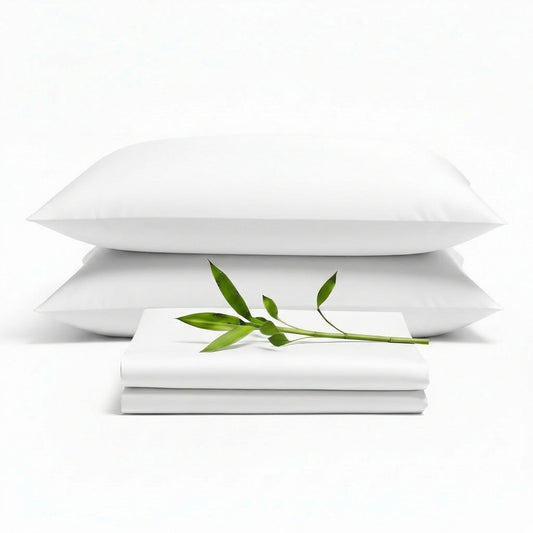
Made from eco-friendly bamboo fibers that are soft, naturally hypoallergenic, and gentle on your skin. Durable, breathable, and good for the environment.

Others


Soft. Smooth. Sublime.
A good night’s sleep can change the way you feel every day. Soft, breathable sheets help you relax, stay comfortable, and wake up refreshed. With Decolure, it’s about enjoying the little moments of comfort that make home feel like home.


Sleep on your new sheets for 100 nights. Truly experience the comfort, wash them, and decide if they're right for you. If you're not completely satisfied, you can get a full refund, no questions asked.

Enjoy a perfect night's sleep with sheets made from the finest, ethically sourced materials. The premium quality ensures they are exceptionally soft, durable, and breathable, night after night.

Rest easy knowing your new sheets are safe and healthy for your family. This certification guarantees they are free from harmful chemicals and produced with environmentally friendly methods.

Keep your sheets looking and feeling great with minimal effort. They're designed to be machine washable and resistant to fading and pilling, so you can enjoy their luxurious feel and vibrant color for a long time.
Explore the Decolure blog to discover simple ways to upgrade your comfort, create a cozy bedroom, and enjoy every moment of rest.

You go to bed comfortable, fall asleep without issue, and then somewhere between 2 and 4 in the morning, you wake up. Sweating, tangled in sheets, one arm out from under the covers trying to find cooler air. The clock says 3 AM. This happens to the same person, in the same bed, at roughly the same time every night. This is not random. The 3 AM wake-up for hot sleepers follows a specific physiological pattern that connects your body's sleep architecture, your core body temperature cycle, and the heat your mattress has been building for six hours. Once you understand why it happens at that time specifically, the fix becomes clearer. The Short Answer Your body temperature follows a natural cycle that drops at sleep onset and begins rising again before dawn. During deep REM sleep, which peaks between 2 and 4 AM, your body suspends active thermoregulation and relies entirely on your sleep environment. If your sheets trap heat or can't wick moisture, you overheat and wake up. Cooling, breathable bedding breaks the cycle. Root cause: suspended thermoregulation during REM + accumulated mattress heat Why 3 AM specifically: longest REM cycles occur in the second half of the night The fix: breathable, moisture-wicking sheets remove the heat impediment at the skin contact layer The Physiology: Why 3 AM Specifically? Your core body temperature is controlled by your circadian rhythm, the same internal clock that regulates when you feel alert and when you feel sleepy. Body temperature begins dropping around 6 PM, falls to its lowest point near 4 to 5 AM, and then starts rising again as dawn approaches. That downward slope is what triggers sleep: a cooler core body temperature signals the brain to shift into sleep mode. The problem for hot sleepers is what happens to the sleep environment over those same hours. When you first lie down, your body has relatively little accumulated heat in the mattress. By midnight, your mattress has absorbed six hours of body heat. By 2 to 3 AM, the mattress core has reached a steady-state temperature that radiates heat back up toward your body, while you've been under covers for hours. The collision between your body's cooling needs and the heat environment your mattress and sheets have created is why 3 AM is the peak wake time for hot sleepers, not 11 PM, not 6 AM. The Role of Core Body Temperature in Sleep Core body temperature dropping 1 to 3 degrees Fahrenheit below your waking baseline is required to initiate sleep and stay asleep. Your skin acts as a radiator during this process, pushing heat outward. That's why hands and feet warm up as you fall asleep: blood is moving toward the extremities to release heat through the skin surface. Any disruption to that heat release pathway delays or interrupts sleep. If your sheets trap the heat your skin is trying to release, your core cannot cool down efficiently. If sweat builds up between your skin and the sheet surface, the wet layer acts as an insulator rather than a cooling buffer. The result: your body temperature rises back above the threshold needed to maintain sleep, and you wake up. Why REM Sleep Makes the Problem Worse REM sleep is the stage associated with vivid dreaming and memory consolidation. It is also the stage when thermoregulation is most compromised. During REM, the hypothalamus, which normally regulates body temperature, becomes less active. Your body essentially stops actively heating or cooling itself during REM and relies entirely on the surrounding environment. REM cycles occur throughout the night, but they get longer as the night progresses. Early REM periods run 10 to 20 minutes. By the second half of the night (roughly midnight to 6 AM), REM cycles can run 45 minutes to an hour. This is why the 2 to 4 AM window is the highest-risk zone: it's when your longest, deepest REM periods occur, when thermoregulation is most suspended, and when your mattress heat accumulation is at its peak. During those long REM periods, your body temperature is entirely a function of your sleep environment. If that environment is hot and humid, you overheat. If it's cool and breathable, you sleep through. The Mattress Heat Trap Different mattress types retain heat differently. Memory foam mattresses, particularly older or lower-density models, trap body heat more than spring, latex, or hybrid designs. Memory foam's viscoelastic structure conforms closely to your body, improving pressure relief but also creating a larger contact surface between body and foam, with less airspace for heat to dissipate. Gel-infused memory foam moderates this effect but does not eliminate it. After 6 to 8 hours, even gel foam reaches a thermal equilibrium that reflects hours of accumulated body heat. Hybrid mattresses with coil systems circulate air more effectively through the mattress core, which is one reason they're often recommended for hot sleepers. If your mattress is memory foam and you consistently wake up overheated, the mattress is contributing. Breathable sheets are the most accessible intervention that does not require replacing the mattress; they manage heat and moisture at the skin-surface contact layer, which is where the discomfort actually registers. Humidity's Role in the 3 AM Wake-Up The 3 AM wake-up is significantly worse in humid environments. Sweat is your body's primary cooling mechanism, and it works by evaporation, which requires moisture to leave the skin surface and enter the air. In low-humidity environments, sweat evaporates quickly and cools effectively. In high-humidity environments (including a bed with trapped moisture under the covers), sweat cannot evaporate properly and instead builds up on the skin surface. The wet layer of moisture between skin and sheet creates both discomfort (the clammy feeling) and an insulating effect that traps additional heat. This is why a 74-degree night in a humid climate can feel worse for sleep than a 78-degree night with low humidity and good airflow. Moisture-wicking sheets address this by pulling sweat away from the skin surface and dispersing it through the fabric, where it can evaporate more effectively. This is the core mechanism behind why bamboo viscose and bamboo microfiber sheets outperform cotton and polyester for hot sleepers: the fiber structures absorb and transfer moisture faster and more broadly. What Cooling Bedding Actually Does "Cooling sheets" is a broadly used term. The actual mechanisms vary by product: Moisture-wicking: The sheet fiber pulls sweat away from the skin surface quickly, preventing buildup at the contact layer. Bamboo viscose and bamboo microfiber both perform well here. Breathability: The weave structure allows air to circulate through the fabric rather than forming a heat barrier. Lower thread counts and looser weaves generally breathe better; tightly woven high-thread-count cotton can trap heat despite the premium perception. Thermal conductivity: Some materials feel cooler to the touch because they conduct heat away from skin faster. This is the "cool-touch" sensation in satin and certain microfiber weaves. Cool-touch feel and moisture-wicking are different properties; a sheet can have one without the other. Cooling sheets do not actively lower your body temperature the way an air conditioner does. What they do is remove the impediment: they clear sweat from the contact layer, allow heat to dissipate, and prevent the feedback loop where trapped moisture raises local skin temperature, which triggers more sweating, which adds more trapped moisture. Which Decolure Products Are Built for Hot Sleepers Cooling Sheet Set: Made from a bamboo microfiber cooling weave designed to enhance airflow and wick heat. Available in White and Graphite, Twin through California King. Priced from $53.95 to $69.95. The most direct option for hot sleepers looking for a dedicated cooling surface. Bamboo Sheet Set: 100% OEKO-TEX certified viscose bamboo, naturally moisture-wicking and temperature-regulating. A more versatile year-round option that performs particularly well for moderate hot sleepers and in warm climates. Priced from $89.99 to $119.99. Year-Round Cooling Set: Bundles a Bamboo Sheet Set with a White Cooling Sheet Set in one purchase. The practical benefit beyond the two-set value is rotation: you always have a fresh, clean set available, and you can switch between sets based on season or how warm the bedroom runs that week. Priced from $145.94. See the full two-season bedding system guide for how the rotation works. What to Change Tonight If you're waking up hot tonight, here are the highest-impact changes ranked by ease and speed: Action Why it works How fast you'll feel it Lower room temperature to 65-68°F Supports your body's natural overnight temperature drop; reduces ambient heat in the mattress environment First night Swap to bamboo or microfiber cooling sheets Removes sweat from the skin contact layer; breaks the humidity feedback loop that causes overheating First night Remove heavy comforter; use a light blanket Heavy covers trap heat and prevent the skin radiation your body needs to stay cool Immediately Add a fan pointed across (not at) the bed Increases air movement, accelerates sweat evaporation, improves heat dissipation First night Avoid eating a large meal within 3 hours of bed Digestion raises core body temperature, compounding the natural pre-dawn temperature rise Within a week of consistency Quick Checklist: Are You a Hot Sleeper? Check any that apply: You regularly wake between 2 and 4 AM with heat or sweating as the reason You sleep with one or both feet outside the covers most nights You lower the thermostat before bed and it still doesn't fully solve the problem Your partner sleeps cooler than you on the same mattress The problem is worse in humid weather or after eating a heavy meal late at night Your mattress is memory foam and more than 5 years old If you checked two or more, cooling bedding will likely make a measurable difference. The more you checked, the higher the likelihood that your sleep environment, specifically sheets and mattress heat, is a meaningful contributor to the waking. Frequently Asked Questions Why do I always wake up around 3 AM feeling hot? The 3 AM hot wake-up follows a predictable physiological pattern. Your body temperature drops progressively from evening to its lowest point near 4 to 5 AM; during this drop, you're also entering your longest and deepest REM cycles. During REM, your body suspends active thermoregulation and relies entirely on the sleep environment. By 2 to 3 AM, your mattress has also absorbed six or more hours of body heat and is radiating it back toward you. The combination of suspended thermoregulation, accumulated mattress heat, and any sweat that has built up under the covers creates the conditions for a thermal wake-up at that specific window, every night. Can changing my sheets actually stop me from waking up hot? For many hot sleepers, yes. Cotton and polyester sheets (particularly high-thread-count weaves) trap heat and moisture at the skin contact layer. Breathable, moisture-wicking sheets (bamboo viscose, bamboo microfiber) pull sweat away from that contact layer and allow heat to dissipate more freely. This doesn't lower room temperature, but it removes the feedback loop where trapped moisture raises local skin temperature and triggers further overheating. Many hot sleepers report that switching to cooling sheets eliminates or significantly reduces the 3 AM wake-up. It's also the most accessible fix without a new mattress or HVAC changes. Are cooling sheets the same as regular sheets? No. Not all sheets marketed as "cooling" work the same way. The most meaningful differences are in fiber type and weave structure. Bamboo viscose and bamboo microfiber have fiber structures that absorb and transfer moisture significantly faster than cotton. Satin-weave sheets have a cool-touch feel but are not primarily moisture-wicking. Thread count can be an inverse indicator of performance: very high thread counts in tightly woven cotton trap heat, while lower thread counts in breathable weaves perform better for hot sleepers. True cooling sheets prioritize airflow and moisture management over thread count numbers. Does room temperature matter if I have cooling sheets? Yes, room temperature still matters. The ideal sleep temperature for most people is 65 to 68 degrees Fahrenheit. Cooling sheets reduce the thermal impact of body heat and sweat, but cannot compensate for a room significantly above the ideal range. The practical approach is layered: set the thermostat as low as is comfortable, use breathable cooling sheets to manage the body-heat component, and consider a fan to increase airflow across the bed surface. If room temperature is the primary variable (no air conditioning in summer), the Cooling Sheet Set's wicking and airflow properties will help but may not fully resolve the problem above 80 degrees room temperature. Why does my memory foam mattress make me sleep hot? Memory foam's viscoelastic structure conforms closely to your body shape, improving pressure relief but creating a larger surface area of direct body-to-foam contact with less air circulation than a spring or hybrid mattress. Body heat is absorbed into the foam and released slowly back into the sleep environment over several hours. By 2 to 3 AM, memory foam that was neutral at bedtime has reached a warmer steady state. Gel-infused memory foam moderates but does not eliminate this effect. Replacing sheets with breathable, moisture-wicking ones helps at the skin contact layer; this is the most accessible fix without replacing the mattress itself. What is the difference between night sweats and just sleeping hot? Sleeping hot refers to a sleep environment issue: your bed is too warm, your sheets trap heat, and you wake up overheated as a result. Night sweats technically refers to excessive perspiration at night associated with a medical condition (hormonal changes, infection, certain medications) rather than purely environmental causes. Cooling bedding addresses environmental sleep-hot issues effectively, but if you consistently wake up soaked through sheets even at mild room temperatures, that can indicate a medical cause worth discussing with a doctor. Most people who describe waking up hot at 3 AM are experiencing the environmental pattern described in this article, not clinical night sweats.
You go to bed comfortable, fall asleep without issue, and then somewhere between 2 and 4 in the morning, you wake up. Sweating, tangled in sheets, one arm out from under the covers trying to find cooler air. The clock says 3 AM. This happens to the same person, in the same bed, at roughly the same time every night. This is not random. The 3 AM wake-up for hot sleepers follows a specific physiological pattern that connects your body's sleep architecture, your core body temperature cycle, and the heat your mattress has been building for six hours. Once you understand why it happens at that time specifically, the fix becomes clearer. The Short Answer Your body temperature follows a natural cycle that drops at sleep onset and begins rising again before dawn. During deep REM sleep, which peaks between 2 and 4 AM, your body suspends active thermoregulation and relies entirely on your sleep environment. If your sheets trap heat or can't wick moisture, you overheat and wake up. Cooling, breathable bedding breaks the cycle. Root cause: suspended thermoregulation during REM + accumulated mattress heat Why 3 AM specifically: longest REM cycles occur in the second half of the night The fix: breathable, moisture-wicking sheets remove the heat impediment at the skin contact layer The Physiology: Why 3 AM Specifically? Your core body temperature is controlled by your circadian rhythm, the same internal clock that regulates when you feel alert and when you feel sleepy. Body temperature begins dropping around 6 PM, falls to its lowest point near 4 to 5 AM, and then starts rising again as dawn approaches. That downward slope is what triggers sleep: a cooler core body temperature signals the brain to shift into sleep mode. The problem for hot sleepers is what happens to the sleep environment over those same hours. When you first lie down, your body has relatively little accumulated heat in the mattress. By midnight, your mattress has absorbed six hours of body heat. By 2 to 3 AM, the mattress core has reached a steady-state temperature that radiates heat back up toward your body, while you've been under covers for hours. The collision between your body's cooling needs and the heat environment your mattress and sheets have created is why 3 AM is the peak wake time for hot sleepers, not 11 PM, not 6 AM. The Role of Core Body Temperature in Sleep Core body temperature dropping 1 to 3 degrees Fahrenheit below your waking baseline is required to initiate sleep and stay asleep. Your skin acts as a radiator during this process, pushing heat outward. That's why hands and feet warm up as you fall asleep: blood is moving toward the extremities to release heat through the skin surface. Any disruption to that heat release pathway delays or interrupts sleep. If your sheets trap the heat your skin is trying to release, your core cannot cool down efficiently. If sweat builds up between your skin and the sheet surface, the wet layer acts as an insulator rather than a cooling buffer. The result: your body temperature rises back above the threshold needed to maintain sleep, and you wake up. Why REM Sleep Makes the Problem Worse REM sleep is the stage associated with vivid dreaming and memory consolidation. It is also the stage when thermoregulation is most compromised. During REM, the hypothalamus, which normally regulates body temperature, becomes less active. Your body essentially stops actively heating or cooling itself during REM and relies entirely on the surrounding environment. REM cycles occur throughout the night, but they get longer as the night progresses. Early REM periods run 10 to 20 minutes. By the second half of the night (roughly midnight to 6 AM), REM cycles can run 45 minutes to an hour. This is why the 2 to 4 AM window is the highest-risk zone: it's when your longest, deepest REM periods occur, when thermoregulation is most suspended, and when your mattress heat accumulation is at its peak. During those long REM periods, your body temperature is entirely a function of your sleep environment. If that environment is hot and humid, you overheat. If it's cool and breathable, you sleep through. The Mattress Heat Trap Different mattress types retain heat differently. Memory foam mattresses, particularly older or lower-density models, trap body heat more than spring, latex, or hybrid designs. Memory foam's viscoelastic structure conforms closely to your body, improving pressure relief but also creating a larger contact surface between body and foam, with less airspace for heat to dissipate. Gel-infused memory foam moderates this effect but does not eliminate it. After 6 to 8 hours, even gel foam reaches a thermal equilibrium that reflects hours of accumulated body heat. Hybrid mattresses with coil systems circulate air more effectively through the mattress core, which is one reason they're often recommended for hot sleepers. If your mattress is memory foam and you consistently wake up overheated, the mattress is contributing. Breathable sheets are the most accessible intervention that does not require replacing the mattress; they manage heat and moisture at the skin-surface contact layer, which is where the discomfort actually registers. Humidity's Role in the 3 AM Wake-Up The 3 AM wake-up is significantly worse in humid environments. Sweat is your body's primary cooling mechanism, and it works by evaporation, which requires moisture to leave the skin surface and enter the air. In low-humidity environments, sweat evaporates quickly and cools effectively. In high-humidity environments (including a bed with trapped moisture under the covers), sweat cannot evaporate properly and instead builds up on the skin surface. The wet layer of moisture between skin and sheet creates both discomfort (the clammy feeling) and an insulating effect that traps additional heat. This is why a 74-degree night in a humid climate can feel worse for sleep than a 78-degree night with low humidity and good airflow. Moisture-wicking sheets address this by pulling sweat away from the skin surface and dispersing it through the fabric, where it can evaporate more effectively. This is the core mechanism behind why bamboo viscose and bamboo microfiber sheets outperform cotton and polyester for hot sleepers: the fiber structures absorb and transfer moisture faster and more broadly. What Cooling Bedding Actually Does "Cooling sheets" is a broadly used term. The actual mechanisms vary by product: Moisture-wicking: The sheet fiber pulls sweat away from the skin surface quickly, preventing buildup at the contact layer. Bamboo viscose and bamboo microfiber both perform well here. Breathability: The weave structure allows air to circulate through the fabric rather than forming a heat barrier. Lower thread counts and looser weaves generally breathe better; tightly woven high-thread-count cotton can trap heat despite the premium perception. Thermal conductivity: Some materials feel cooler to the touch because they conduct heat away from skin faster. This is the "cool-touch" sensation in satin and certain microfiber weaves. Cool-touch feel and moisture-wicking are different properties; a sheet can have one without the other. Cooling sheets do not actively lower your body temperature the way an air conditioner does. What they do is remove the impediment: they clear sweat from the contact layer, allow heat to dissipate, and prevent the feedback loop where trapped moisture raises local skin temperature, which triggers more sweating, which adds more trapped moisture. Which Decolure Products Are Built for Hot Sleepers Cooling Sheet Set: Made from a bamboo microfiber cooling weave designed to enhance airflow and wick heat. Available in White and Graphite, Twin through California King. Priced from $53.95 to $69.95. The most direct option for hot sleepers looking for a dedicated cooling surface. Bamboo Sheet Set: 100% OEKO-TEX certified viscose bamboo, naturally moisture-wicking and temperature-regulating. A more versatile year-round option that performs particularly well for moderate hot sleepers and in warm climates. Priced from $89.99 to $119.99. Year-Round Cooling Set: Bundles a Bamboo Sheet Set with a White Cooling Sheet Set in one purchase. The practical benefit beyond the two-set value is rotation: you always have a fresh, clean set available, and you can switch between sets based on season or how warm the bedroom runs that week. Priced from $145.94. See the full two-season bedding system guide for how the rotation works. What to Change Tonight If you're waking up hot tonight, here are the highest-impact changes ranked by ease and speed: Action Why it works How fast you'll feel it Lower room temperature to 65-68°F Supports your body's natural overnight temperature drop; reduces ambient heat in the mattress environment First night Swap to bamboo or microfiber cooling sheets Removes sweat from the skin contact layer; breaks the humidity feedback loop that causes overheating First night Remove heavy comforter; use a light blanket Heavy covers trap heat and prevent the skin radiation your body needs to stay cool Immediately Add a fan pointed across (not at) the bed Increases air movement, accelerates sweat evaporation, improves heat dissipation First night Avoid eating a large meal within 3 hours of bed Digestion raises core body temperature, compounding the natural pre-dawn temperature rise Within a week of consistency Quick Checklist: Are You a Hot Sleeper? Check any that apply: You regularly wake between 2 and 4 AM with heat or sweating as the reason You sleep with one or both feet outside the covers most nights You lower the thermostat before bed and it still doesn't fully solve the problem Your partner sleeps cooler than you on the same mattress The problem is worse in humid weather or after eating a heavy meal late at night Your mattress is memory foam and more than 5 years old If you checked two or more, cooling bedding will likely make a measurable difference. The more you checked, the higher the likelihood that your sleep environment, specifically sheets and mattress heat, is a meaningful contributor to the waking. Frequently Asked Questions Why do I always wake up around 3 AM feeling hot? The 3 AM hot wake-up follows a predictable physiological pattern. Your body temperature drops progressively from evening to its lowest point near 4 to 5 AM; during this drop, you're also entering your longest and deepest REM cycles. During REM, your body suspends active thermoregulation and relies entirely on the sleep environment. By 2 to 3 AM, your mattress has also absorbed six or more hours of body heat and is radiating it back toward you. The combination of suspended thermoregulation, accumulated mattress heat, and any sweat that has built up under the covers creates the conditions for a thermal wake-up at that specific window, every night. Can changing my sheets actually stop me from waking up hot? For many hot sleepers, yes. Cotton and polyester sheets (particularly high-thread-count weaves) trap heat and moisture at the skin contact layer. Breathable, moisture-wicking sheets (bamboo viscose, bamboo microfiber) pull sweat away from that contact layer and allow heat to dissipate more freely. This doesn't lower room temperature, but it removes the feedback loop where trapped moisture raises local skin temperature and triggers further overheating. Many hot sleepers report that switching to cooling sheets eliminates or significantly reduces the 3 AM wake-up. It's also the most accessible fix without a new mattress or HVAC changes. Are cooling sheets the same as regular sheets? No. Not all sheets marketed as "cooling" work the same way. The most meaningful differences are in fiber type and weave structure. Bamboo viscose and bamboo microfiber have fiber structures that absorb and transfer moisture significantly faster than cotton. Satin-weave sheets have a cool-touch feel but are not primarily moisture-wicking. Thread count can be an inverse indicator of performance: very high thread counts in tightly woven cotton trap heat, while lower thread counts in breathable weaves perform better for hot sleepers. True cooling sheets prioritize airflow and moisture management over thread count numbers. Does room temperature matter if I have cooling sheets? Yes, room temperature still matters. The ideal sleep temperature for most people is 65 to 68 degrees Fahrenheit. Cooling sheets reduce the thermal impact of body heat and sweat, but cannot compensate for a room significantly above the ideal range. The practical approach is layered: set the thermostat as low as is comfortable, use breathable cooling sheets to manage the body-heat component, and consider a fan to increase airflow across the bed surface. If room temperature is the primary variable (no air conditioning in summer), the Cooling Sheet Set's wicking and airflow properties will help but may not fully resolve the problem above 80 degrees room temperature. Why does my memory foam mattress make me sleep hot? Memory foam's viscoelastic structure conforms closely to your body shape, improving pressure relief but creating a larger surface area of direct body-to-foam contact with less air circulation than a spring or hybrid mattress. Body heat is absorbed into the foam and released slowly back into the sleep environment over several hours. By 2 to 3 AM, memory foam that was neutral at bedtime has reached a warmer steady state. Gel-infused memory foam moderates but does not eliminate this effect. Replacing sheets with breathable, moisture-wicking ones helps at the skin contact layer; this is the most accessible fix without replacing the mattress itself. What is the difference between night sweats and just sleeping hot? Sleeping hot refers to a sleep environment issue: your bed is too warm, your sheets trap heat, and you wake up overheated as a result. Night sweats technically refers to excessive perspiration at night associated with a medical condition (hormonal changes, infection, certain medications) rather than purely environmental causes. Cooling bedding addresses environmental sleep-hot issues effectively, but if you consistently wake up soaked through sheets even at mild room temperatures, that can indicate a medical cause worth discussing with a doctor. Most people who describe waking up hot at 3 AM are experiencing the environmental pattern described in this article, not clinical night sweats.

Bamboo sheets have become one of the most popular bedding upgrades on the market, but "bamboo sheets" is not one thing. Two very different fabrics can be made from bamboo: bamboo viscose (also called viscose from bamboo, or rayon from bamboo) and lyocell (commonly sold under brand names like Tencel). Both start with bamboo as the raw material. Beyond that, the manufacturing process, the resulting fabric properties, and the right buyer profile diverge in ways that matter when you're spending $90 to $120 on a sheet set. This post explains both fabrics honestly, compares them on the metrics that matter for sleep, and tells you exactly which one Decolure uses and why. Bottom Line First Bamboo viscose: softer out of the box, more affordable, machine-washable with minimal fuss. Lyocell: slightly stronger, marginally better moisture management, produced through a more environmentally efficient closed-loop process. For everyday sleep, both perform well. The price difference and care requirements are often the deciding factor for most buyers. Hot sleepers on a budget: bamboo viscose is the clear choice Eco-conscious buyers willing to pay more: lyocell earns consideration Sensitive skin / allergy concerns: both work; look for OEKO-TEX certified options on either What Is Bamboo Viscose? Bamboo viscose starts with the pulp of the bamboo plant. That pulp is dissolved in a sodium hydroxide and carbon disulfide chemical solution to create a liquid cellulose, which is then extruded through fine holes to form fiber. The resulting fiber is spun into yarn and woven into fabric. The chemical process is solvent-intensive. Responsible manufacturing recovers and recycles as much of the solvent as possible, and OEKO-TEX certification verifies that the final fabric is free of harmful residues, even if the production process itself involves chemicals. Decolure's Bamboo Sheet Set is OEKO-TEX certified, which means the finished fabric meets strict standards for chemical safety and skin contact. Bamboo viscose sheets are known for a silky, buttery softness that gets better with washing. The fiber is highly absorbent and moisture-wicking, which is why hot sleepers consistently report that bamboo viscose sheets feel cooler than cotton. The fiber is also naturally hypoallergenic and resistant to bacteria, making it a practical choice for sensitive sleepers. What Is Lyocell? Lyocell starts from a similar place: plant-based cellulose, often from eucalyptus or bamboo. The key difference is the production process. Lyocell uses a closed-loop solvent system with N-Methylmorpholine N-oxide (NMMO) as the solvent. More than 99% of that solvent is recovered and recycled back into the process, which dramatically reduces chemical waste compared to conventional viscose production. The resulting fiber has a slightly different character. Lyocell sheets are often described as having a crisp, smooth feel rather than the soft, draping quality of bamboo viscose. They are also structurally stronger, particularly when wet, which means they hold their shape better through repeated washing. Lyocell resists pilling well and maintains its appearance over a longer lifespan. It is commonly sold under the brand name Tencel, owned by Lenzing. Not all lyocell is Tencel, but all Tencel is lyocell. Head-to-Head Comparison Property Bamboo Viscose Lyocell Starting material Bamboo pulp Bamboo or eucalyptus cellulose Manufacturing process Chemical wet-spinning (solvent-intensive) Closed-loop spinning (low-waste) Softness Very soft, gets softer with washing Very soft, slightly crisper hand feel Moisture-wicking Excellent Excellent (marginally better management) Temperature regulation Good Very good Wet strength Moderate (can weaken when wet) High (stronger when wet) Durability Good with gentle care Very good with gentle care Environmental footprint Moderate (bamboo grows fast; solvent process varies) Lower (closed-loop solvent recovery) Machine washable Yes (cold, gentle) Yes (cold, delicate; check care label) Price range Generally lower Generally higher OEKO-TEX certified options Yes (including Decolure) Yes (widely available) Softness and Feel Both fabrics are notably soft. Most people who buy bamboo viscose sheets describe the feel as silky, smooth, and slightly fluid. The sheets drape easily and have a natural sheen. Bamboo viscose softens further with every wash, which is one reason it earns strong repeat-purchase rates. Lyocell has a different texture: smooth, slightly cool to the touch, and with more structure. Some people prefer this; it feels similar to high-quality Egyptian cotton but without the weight. People who find bamboo viscose "too slippery" sometimes prefer lyocell for its slightly crisper surface. Quick reference: want fabric that drapes and flows? Choose viscose. Want fabric with slightly more body and structure? Lyocell is the better fit. Moisture-Wicking and Temperature Regulation Both bamboo viscose and lyocell are genuinely good for hot sleepers. Both fibers are highly absorbent, pulling moisture away from skin faster than cotton. That means sweat doesn't sit on the surface and create the clammy feeling that wakes people up. The practical difference is small. Lyocell's fiber structure tends to manage moisture distribution slightly more evenly, dispersing it across a wider fabric area before evaporation. Bamboo viscose absorbs quickly and stays dry from the sleeper's perspective. In real-world sleep, most people cannot perceive a meaningful difference between the two. If you're a severe hot sleeper who wakes up overheated, both fabrics will improve your sleep. The Year-Round Cooling Set pairs bamboo viscose sheets with a dedicated cooling microfiber set, giving you two complete cooling options for rotation. Environmental Impact This is where the two fabrics differ most meaningfully. Bamboo as a plant is highly sustainable: it grows extraordinarily fast, requires no pesticides, and regenerates from its root system after harvesting. That raw material advantage is real. The bamboo viscose manufacturing process, however, involves dissolving bamboo pulp in a chemical solution. The environmental impact depends heavily on how well the manufacturing facility manages solvent recovery and wastewater. Certifications like OEKO-TEX confirm the final fabric is safe; they do not independently verify solvent recovery rates in production. Lyocell's closed-loop process is structurally better for the environment. Over 99% of the solvent used in lyocell production is captured, cleaned, and reused. The process requires significantly less water and generates less chemical waste than conventional viscose production. If environmental manufacturing impact is a priority, lyocell has a credible advantage. The honest summary: bamboo viscose is better at the plant-sourcing level; lyocell is better at the production level. Neither is a perfect answer to the sustainability question, and both are substantially more sustainable than conventional cotton or polyester. Durability and Care Bamboo viscose sheets are machine washable cold on a gentle cycle, tumble dry low or line dry. They hold up well through regular washing with proper care. The fiber can weaken slightly when wet, which is why hot water washing and high-heat drying are the most common cause of viscose sheet degradation. With cold water and low heat, bamboo viscose sheets maintain their softness and structure for years. Lyocell is structurally stronger than viscose, especially when wet. It resists pilling and shape distortion well. Some lyocell sheet sets specify a delicate cycle only; check the care label. Lyocell also wrinkles more noticeably than bamboo viscose if machine dried without timely removal, though this varies by weave construction. Both fabrics require more care than standard cotton or polyester. The payoff is a fabric that feels significantly better against skin over the long term. Price Bamboo viscose sheets are generally less expensive than lyocell sheets of equivalent quality. The production cost difference is partly a function of manufacturing scale and partly the infrastructure investment required for closed-loop lyocell production. Decolure's Bamboo Sheet Set is priced from $89.99 (Twin) to $119.99 (California King). Premium lyocell sheets from comparable brands typically start at $120 to $150 for Queen and climb higher from there. For most buyers looking for a meaningful upgrade from cotton or polyester, bamboo viscose offers a strong value-to-performance ratio at this price point. Which One Does Decolure Use, and Why? Decolure's Bamboo Sheet Set uses 100% viscose from bamboo. The choice reflects several factors: The fiber delivers the silky, moisture-wicking sleep surface that hot sleepers most want It softens with repeated washing, improving the ownership experience over time It is OEKO-TEX certified to confirm chemical safety in the final product It reaches the right price point for the value Decolure is built around Lyocell is a genuinely good fabric. If you find bamboo viscose sheets elsewhere and want to compare honestly, lyocell is a fair competitor for durability and environmental production process. For most shoppers, the primary question is whether the feel and performance justify the price premium. For hot sleepers prioritizing moisture-wicking and softness, bamboo viscose at this quality level is hard to beat on value. For a full breakdown of whether bamboo sheets are worth it for your specific situation, see our honest bamboo sheets breakdown. Frequently Asked Questions Is bamboo viscose the same as bamboo rayon? Yes. Bamboo viscose and bamboo rayon are different names for the same fabric type. Both refer to fabric made from bamboo pulp processed through a chemical wet-spinning method. "Viscose from bamboo" is the technical designation used by the US Federal Trade Commission; "rayon from bamboo" is also accepted. You may see either term on product labels; they describe the same material and manufacturing process. Lyocell is a distinct fiber type with a different, cleaner production process that produces a slightly different fabric character. Is lyocell better than bamboo viscose for hot sleepers? Both perform well for hot sleepers and represent a significant upgrade over cotton or polyester. Both fibers are highly moisture-absorbent and breathe better than conventional fabrics at equivalent thread counts. Lyocell has marginally better moisture distribution at the fiber structure level, but in practical sleep the difference is difficult to perceive for most people. If you are a moderate hot sleeper, bamboo viscose is an excellent and more affordable choice. If you are a severe hot sleeper or perspire heavily overnight, either fabric will improve your sleep noticeably compared to cotton; both also benefit from being used in a rotation system to ensure a fresh, dry set is always available. What does OEKO-TEX certified mean for bamboo viscose sheets? OEKO-TEX certification means the finished fabric has been tested and confirmed to be free of more than 100 harmful substances, including heavy metals, pesticides, formaldehyde, and chemical dyes that could irritate skin. It certifies the product you sleep on, not the manufacturing process used to create it. For bamboo viscose, this matters because the production process involves chemical solvents; OEKO-TEX confirms those chemicals are not present in the final fabric at harmful levels. Decolure's Bamboo Sheet Set is OEKO-TEX certified. Can I wash bamboo viscose sheets in the washing machine? Yes. Bamboo viscose sheets are machine washable cold on a gentle cycle. Use a mild liquid detergent, avoid bleach, and tumble dry on low heat or line dry. Avoid warm or hot water, which can cause the fibers to weaken or shrink over time. The most common care mistake with bamboo viscose sheets is using warm water; cold water preserves the fiber structure and keeps sheets soft and properly sized through hundreds of washes. Do bamboo viscose sheets shrink? Bamboo viscose sheets can shrink if washed in warm or hot water or dried on high heat. With proper care (cold water, gentle cycle, low-heat drying), shrinkage is minimal and the sheets maintain their fitted size through regular laundering. For fitted sheets, the deep elastic pocket compensates for minor size variation after the first few washes. Decolure's Bamboo Sheet Set fitted sheet accommodates mattresses up to 17 inches deep, which provides a comfortable margin of fit even after repeated washing. Is Tencel the same as lyocell? Tencel is a brand name for lyocell fabric produced by the Austrian company Lenzing. All Tencel is lyocell, but not all lyocell is Tencel. Other manufacturers produce lyocell fiber that meets the same standards but is not sold under the Tencel brand name. When you see "lyocell" on a sheet label, it refers to the fiber type regardless of which company made it. The closed-loop production process that makes lyocell environmentally efficient is a characteristic of the lyocell production method generally, not exclusive to Lenzing. Which bamboo fabric type is more sustainable? Both bamboo viscose and lyocell use fast-growing plants as raw material, which is a sustainability advantage over conventional cotton. The key difference is in manufacturing: lyocell uses a closed-loop process that recovers more than 99% of production solvents, generating significantly less chemical waste than conventional bamboo viscose production. Bamboo viscose production quality varies by manufacturer; those with higher solvent recovery rates narrow the gap. OEKO-TEX certification applies to the finished fabric in both cases, not production process efficiency. If production-level environmental impact is your primary concern, lyocell has a verifiable advantage. If raw material sustainability and sleep performance are the primary factors, OEKO-TEX certified bamboo viscose competes strongly at a more accessible price point.
Bamboo sheets have become one of the most popular bedding upgrades on the market, but "bamboo sheets" is not one thing. Two very different fabrics can be made from bamboo: bamboo viscose (also called viscose from bamboo, or rayon from bamboo) and lyocell (commonly sold under brand names like Tencel). Both start with bamboo as the raw material. Beyond that, the manufacturing process, the resulting fabric properties, and the right buyer profile diverge in ways that matter when you're spending $90 to $120 on a sheet set. This post explains both fabrics honestly, compares them on the metrics that matter for sleep, and tells you exactly which one Decolure uses and why. Bottom Line First Bamboo viscose: softer out of the box, more affordable, machine-washable with minimal fuss. Lyocell: slightly stronger, marginally better moisture management, produced through a more environmentally efficient closed-loop process. For everyday sleep, both perform well. The price difference and care requirements are often the deciding factor for most buyers. Hot sleepers on a budget: bamboo viscose is the clear choice Eco-conscious buyers willing to pay more: lyocell earns consideration Sensitive skin / allergy concerns: both work; look for OEKO-TEX certified options on either What Is Bamboo Viscose? Bamboo viscose starts with the pulp of the bamboo plant. That pulp is dissolved in a sodium hydroxide and carbon disulfide chemical solution to create a liquid cellulose, which is then extruded through fine holes to form fiber. The resulting fiber is spun into yarn and woven into fabric. The chemical process is solvent-intensive. Responsible manufacturing recovers and recycles as much of the solvent as possible, and OEKO-TEX certification verifies that the final fabric is free of harmful residues, even if the production process itself involves chemicals. Decolure's Bamboo Sheet Set is OEKO-TEX certified, which means the finished fabric meets strict standards for chemical safety and skin contact. Bamboo viscose sheets are known for a silky, buttery softness that gets better with washing. The fiber is highly absorbent and moisture-wicking, which is why hot sleepers consistently report that bamboo viscose sheets feel cooler than cotton. The fiber is also naturally hypoallergenic and resistant to bacteria, making it a practical choice for sensitive sleepers. What Is Lyocell? Lyocell starts from a similar place: plant-based cellulose, often from eucalyptus or bamboo. The key difference is the production process. Lyocell uses a closed-loop solvent system with N-Methylmorpholine N-oxide (NMMO) as the solvent. More than 99% of that solvent is recovered and recycled back into the process, which dramatically reduces chemical waste compared to conventional viscose production. The resulting fiber has a slightly different character. Lyocell sheets are often described as having a crisp, smooth feel rather than the soft, draping quality of bamboo viscose. They are also structurally stronger, particularly when wet, which means they hold their shape better through repeated washing. Lyocell resists pilling well and maintains its appearance over a longer lifespan. It is commonly sold under the brand name Tencel, owned by Lenzing. Not all lyocell is Tencel, but all Tencel is lyocell. Head-to-Head Comparison Property Bamboo Viscose Lyocell Starting material Bamboo pulp Bamboo or eucalyptus cellulose Manufacturing process Chemical wet-spinning (solvent-intensive) Closed-loop spinning (low-waste) Softness Very soft, gets softer with washing Very soft, slightly crisper hand feel Moisture-wicking Excellent Excellent (marginally better management) Temperature regulation Good Very good Wet strength Moderate (can weaken when wet) High (stronger when wet) Durability Good with gentle care Very good with gentle care Environmental footprint Moderate (bamboo grows fast; solvent process varies) Lower (closed-loop solvent recovery) Machine washable Yes (cold, gentle) Yes (cold, delicate; check care label) Price range Generally lower Generally higher OEKO-TEX certified options Yes (including Decolure) Yes (widely available) Softness and Feel Both fabrics are notably soft. Most people who buy bamboo viscose sheets describe the feel as silky, smooth, and slightly fluid. The sheets drape easily and have a natural sheen. Bamboo viscose softens further with every wash, which is one reason it earns strong repeat-purchase rates. Lyocell has a different texture: smooth, slightly cool to the touch, and with more structure. Some people prefer this; it feels similar to high-quality Egyptian cotton but without the weight. People who find bamboo viscose "too slippery" sometimes prefer lyocell for its slightly crisper surface. Quick reference: want fabric that drapes and flows? Choose viscose. Want fabric with slightly more body and structure? Lyocell is the better fit. Moisture-Wicking and Temperature Regulation Both bamboo viscose and lyocell are genuinely good for hot sleepers. Both fibers are highly absorbent, pulling moisture away from skin faster than cotton. That means sweat doesn't sit on the surface and create the clammy feeling that wakes people up. The practical difference is small. Lyocell's fiber structure tends to manage moisture distribution slightly more evenly, dispersing it across a wider fabric area before evaporation. Bamboo viscose absorbs quickly and stays dry from the sleeper's perspective. In real-world sleep, most people cannot perceive a meaningful difference between the two. If you're a severe hot sleeper who wakes up overheated, both fabrics will improve your sleep. The Year-Round Cooling Set pairs bamboo viscose sheets with a dedicated cooling microfiber set, giving you two complete cooling options for rotation. Environmental Impact This is where the two fabrics differ most meaningfully. Bamboo as a plant is highly sustainable: it grows extraordinarily fast, requires no pesticides, and regenerates from its root system after harvesting. That raw material advantage is real. The bamboo viscose manufacturing process, however, involves dissolving bamboo pulp in a chemical solution. The environmental impact depends heavily on how well the manufacturing facility manages solvent recovery and wastewater. Certifications like OEKO-TEX confirm the final fabric is safe; they do not independently verify solvent recovery rates in production. Lyocell's closed-loop process is structurally better for the environment. Over 99% of the solvent used in lyocell production is captured, cleaned, and reused. The process requires significantly less water and generates less chemical waste than conventional viscose production. If environmental manufacturing impact is a priority, lyocell has a credible advantage. The honest summary: bamboo viscose is better at the plant-sourcing level; lyocell is better at the production level. Neither is a perfect answer to the sustainability question, and both are substantially more sustainable than conventional cotton or polyester. Durability and Care Bamboo viscose sheets are machine washable cold on a gentle cycle, tumble dry low or line dry. They hold up well through regular washing with proper care. The fiber can weaken slightly when wet, which is why hot water washing and high-heat drying are the most common cause of viscose sheet degradation. With cold water and low heat, bamboo viscose sheets maintain their softness and structure for years. Lyocell is structurally stronger than viscose, especially when wet. It resists pilling and shape distortion well. Some lyocell sheet sets specify a delicate cycle only; check the care label. Lyocell also wrinkles more noticeably than bamboo viscose if machine dried without timely removal, though this varies by weave construction. Both fabrics require more care than standard cotton or polyester. The payoff is a fabric that feels significantly better against skin over the long term. Price Bamboo viscose sheets are generally less expensive than lyocell sheets of equivalent quality. The production cost difference is partly a function of manufacturing scale and partly the infrastructure investment required for closed-loop lyocell production. Decolure's Bamboo Sheet Set is priced from $89.99 (Twin) to $119.99 (California King). Premium lyocell sheets from comparable brands typically start at $120 to $150 for Queen and climb higher from there. For most buyers looking for a meaningful upgrade from cotton or polyester, bamboo viscose offers a strong value-to-performance ratio at this price point. Which One Does Decolure Use, and Why? Decolure's Bamboo Sheet Set uses 100% viscose from bamboo. The choice reflects several factors: The fiber delivers the silky, moisture-wicking sleep surface that hot sleepers most want It softens with repeated washing, improving the ownership experience over time It is OEKO-TEX certified to confirm chemical safety in the final product It reaches the right price point for the value Decolure is built around Lyocell is a genuinely good fabric. If you find bamboo viscose sheets elsewhere and want to compare honestly, lyocell is a fair competitor for durability and environmental production process. For most shoppers, the primary question is whether the feel and performance justify the price premium. For hot sleepers prioritizing moisture-wicking and softness, bamboo viscose at this quality level is hard to beat on value. For a full breakdown of whether bamboo sheets are worth it for your specific situation, see our honest bamboo sheets breakdown. Frequently Asked Questions Is bamboo viscose the same as bamboo rayon? Yes. Bamboo viscose and bamboo rayon are different names for the same fabric type. Both refer to fabric made from bamboo pulp processed through a chemical wet-spinning method. "Viscose from bamboo" is the technical designation used by the US Federal Trade Commission; "rayon from bamboo" is also accepted. You may see either term on product labels; they describe the same material and manufacturing process. Lyocell is a distinct fiber type with a different, cleaner production process that produces a slightly different fabric character. Is lyocell better than bamboo viscose for hot sleepers? Both perform well for hot sleepers and represent a significant upgrade over cotton or polyester. Both fibers are highly moisture-absorbent and breathe better than conventional fabrics at equivalent thread counts. Lyocell has marginally better moisture distribution at the fiber structure level, but in practical sleep the difference is difficult to perceive for most people. If you are a moderate hot sleeper, bamboo viscose is an excellent and more affordable choice. If you are a severe hot sleeper or perspire heavily overnight, either fabric will improve your sleep noticeably compared to cotton; both also benefit from being used in a rotation system to ensure a fresh, dry set is always available. What does OEKO-TEX certified mean for bamboo viscose sheets? OEKO-TEX certification means the finished fabric has been tested and confirmed to be free of more than 100 harmful substances, including heavy metals, pesticides, formaldehyde, and chemical dyes that could irritate skin. It certifies the product you sleep on, not the manufacturing process used to create it. For bamboo viscose, this matters because the production process involves chemical solvents; OEKO-TEX confirms those chemicals are not present in the final fabric at harmful levels. Decolure's Bamboo Sheet Set is OEKO-TEX certified. Can I wash bamboo viscose sheets in the washing machine? Yes. Bamboo viscose sheets are machine washable cold on a gentle cycle. Use a mild liquid detergent, avoid bleach, and tumble dry on low heat or line dry. Avoid warm or hot water, which can cause the fibers to weaken or shrink over time. The most common care mistake with bamboo viscose sheets is using warm water; cold water preserves the fiber structure and keeps sheets soft and properly sized through hundreds of washes. Do bamboo viscose sheets shrink? Bamboo viscose sheets can shrink if washed in warm or hot water or dried on high heat. With proper care (cold water, gentle cycle, low-heat drying), shrinkage is minimal and the sheets maintain their fitted size through regular laundering. For fitted sheets, the deep elastic pocket compensates for minor size variation after the first few washes. Decolure's Bamboo Sheet Set fitted sheet accommodates mattresses up to 17 inches deep, which provides a comfortable margin of fit even after repeated washing. Is Tencel the same as lyocell? Tencel is a brand name for lyocell fabric produced by the Austrian company Lenzing. All Tencel is lyocell, but not all lyocell is Tencel. Other manufacturers produce lyocell fiber that meets the same standards but is not sold under the Tencel brand name. When you see "lyocell" on a sheet label, it refers to the fiber type regardless of which company made it. The closed-loop production process that makes lyocell environmentally efficient is a characteristic of the lyocell production method generally, not exclusive to Lenzing. Which bamboo fabric type is more sustainable? Both bamboo viscose and lyocell use fast-growing plants as raw material, which is a sustainability advantage over conventional cotton. The key difference is in manufacturing: lyocell uses a closed-loop process that recovers more than 99% of production solvents, generating significantly less chemical waste than conventional bamboo viscose production. Bamboo viscose production quality varies by manufacturer; those with higher solvent recovery rates narrow the gap. OEKO-TEX certification applies to the finished fabric in both cases, not production process efficiency. If production-level environmental impact is your primary concern, lyocell has a verifiable advantage. If raw material sustainability and sleep performance are the primary factors, OEKO-TEX certified bamboo viscose competes strongly at a more accessible price point.

When you order bedding online, the number of pieces listed in a product title doesn't always explain what you're actually getting. Does "4-piece" mean four pillowcases? A flat sheet? A duvet cover? And does the count change based on the size you buy? The short version: every Decolure sheet set includes a fitted sheet, a flat sheet, and pillowcases. The "piece count" is the total number of items (sheets + pillowcases). The only thing that changes between piece counts is how many pillowcases come in the package. What You Actually Get Fitted sheet + flat sheet + pillowcases. That's it. No duvet cover, no comforter, no bed skirt. The Bamboo and Cooling lines offer Cali K sizing; the Satin line goes up to King. Size abbreviations used below: T (Twin) · F (Full) · Q (Queen) · K (King) · Cali K (California King). Bamboo Sheet Set: Contents The Bamboo Sheet Set is made from 100% viscose bamboo, OEKO-TEX certified. The deep-pocket fitted sheet fits mattresses up to 17 inches deep. Pricing: $89.99 (Twin) to $119.99 (Cali K). Piece Count Sizes What's Included 3 pcs T 1 fitted sheet, 1 flat sheet, and 1 pillowcase. 4 pcs T, F, Q, K, Cali K 1 fitted sheet, 1 flat sheet, and 2 pillowcases. 6 pcs F, Q, K, Cali K 1 fitted sheet, 1 flat sheet, and 4 pillowcases. Colors: White, Light Olive, Light Blue, Light Grey, Creme, Charcoal, Burgundy, Purple, and more. Satin Sheet Set: Contents The Satin Sheet Set is made from 100% polyester at 600 thread count with a cool-touch satin weave. The deep-pocket fitted sheet fits mattresses up to 15 inches deep. Pricing: $47.95 (Twin) to $58.95 (King). Piece Count Sizes What's Included 3 pcs T 1 fitted sheet, 1 flat sheet, and 1 pillowcase. 4 pcs T, F, Q, K 1 fitted sheet, 1 flat sheet, and 2 pillowcases. 6 pcs F, Q, K 1 fitted sheet, 1 flat sheet, and 4 pillowcases. Note: Cali K is not available in the Satin line. Cali K shoppers should choose the Bamboo or Cooling set instead. Colors: 20+ options including solid colors (White, Black, Baby Blue, Taupe, Stone Grey, Sea Teal) and striped patterns (Striped Red, Striped Blue, Striped Gold, and others). Cooling Sheet Set: Contents The Cooling Sheet Set uses a bamboo microfiber cooling weave designed to enhance airflow and wick heat. The deep-pocket fitted sheet fits mattresses up to 14 inches deep. Pricing: $53.95 (Twin) to $69.95 (Cali K). Piece Count Sizes What's Included 3 pcs T 1 fitted sheet, 1 flat sheet, and 1 pillowcase. 4 pcs F, Q, K, Cali K 1 fitted sheet, 1 flat sheet, and 2 pillowcases. Colors: White and Graphite. The Cooling Sheet Set is also available bundled with a Bamboo Sheet Set as the Year-Round Cooling Set, which gives you two complete sheet sets for a two-rotation household setup. Quick Pillowcase-Size Reference Pillowcase size is matched to the bed size automatically. You don't choose it separately. Twin sets → standard pillowcases Full and Queen sets → queen pillowcases King and Cali K sets → king pillowcases 3 pcs vs 4 pcs vs 6 pcs: What Changes Only the pillowcase count changes. Fitted and flat sheets are identical across all piece counts for the same bed size. 3 pcs (Twin only): 1 pillowcase. For single sleepers or bunk beds. 4 pcs (standard option): 2 pillowcases. Covers most two-pillow households. 6 pcs (premium option): 4 pillowcases. For backup pillowcases or laundry rotation. Available for F, Q, K, and Cali K (where the line offers Cali K). If you're unsure: choose 4 pcs. It's the right answer for ~80% of households. Upgrade to 6 pcs only if you want spare pillowcases on hand. Deep-Pocket Fitted Sheet Sizing Every Decolure fitted sheet has a deep elastic pocket. Knowing the depth rating before you order prevents the most common bedding problem: a fitted sheet that pops off the corners overnight. Sheet Set Max Depth Best For Bamboo Sheet Set 17" Standard, pillow-top, Euro-top, mattress-on-topper setups Satin Sheet Set 15" Standard and most pillow-top mattresses Cooling Sheet Set 14" Standard mattresses; may be snug on thicker pillow-tops Quick reference: standard innerspring or foam mattresses are 8–12" deep (all three lines fit). Pillow-top and Euro-top mattresses are 12–16" deep (Bamboo covers all of them). If your mattress plus a topper exceeds 15", the Bamboo Sheet Set is the most secure fit. For measuring instructions, see the Decolure mattress fit guide. What Is Not Included No Decolure sheet set includes a duvet cover, comforter, or bed skirt. The sets are sheet-only: fitted sheet, flat sheet, and pillowcases. If you're building a complete bedding setup, the sheet set is the foundation layer. Duvets and comforters are purchased separately. The Year-Round Cooling Set is the one Decolure bundle that includes two complete sheet sets in a single purchase. All other Decolure bundles combine sheet sets with pillowcase upgrades but do not add duvet or comforter coverage. Which Sheet Set for Which Sleeper Hot sleepers who prioritize breathability: Bamboo Sheet Set. OEKO-TEX certified 100% viscose bamboo. Deep pockets to 17". Style-focused shoppers who want an affordable smooth surface: Satin Sheet Set. 600TC cool-touch weave in 20+ colors and patterns. T through K only. Hot sleepers in warm climates or year-round AC rooms: Cooling Sheet Set or the Year-Round Cooling Set bundle for two-set rotation. California King shoppers: Bamboo or Cooling only. Satin currently stops at King. Frequently Asked Questions What is the difference between a 3-piece, 4-piece, and 6-piece sheet set? Only the pillowcase count. All Decolure sheet sets include a fitted sheet and a flat sheet regardless of piece count. A 3-piece set adds one pillowcase (total: 3 items). A 4-piece adds two pillowcases (total: 4 items). A 6-piece adds four pillowcases (total: 6 items). The fitted and flat sheets are identical across all piece counts for the same bed size. The 3-piece option is available for Twin only; 6-piece is available for Full, Queen, King, and Cali K (where the fabric line offers Cali K). Does the Decolure sheet set come with a duvet cover or comforter? No. Decolure sheet sets are sheet-only products: a fitted sheet, a flat sheet, and pillowcases. No Decolure sheet set includes a duvet cover, comforter, or bed skirt. If you want a complete bedding setup, the sheet set is the base layer and you would pair it with a duvet or comforter purchased separately. The Year-Round Cooling Set is a bundle of two sheet sets in one purchase, but it also does not include a duvet or comforter. What pillowcase size comes with each sheet set size? Twin sizes include standard-size pillowcases. Full and Queen sizes include queen-size pillowcases. King and Cali K sizes include king-size pillowcases. Pillowcase sizes are matched to the bed size automatically, so you do not need to choose pillowcase dimensions separately. If you want to add silk pillowcases to your order, the Silk Sleep Pillowcases are sold individually in Standard, Queen, and King sizes and can be added to any sheet set purchase. Does the California King set include more pillowcases than the King set? No. King and Cali K sets include the same number of pillowcases: 2 in a 4-piece set, or 4 in a 6-piece set. Both K and Cali K use king-size pillowcases. The only difference between a K and a Cali K sheet set is the fitted sheet dimensions; the flat sheet and pillowcases are the same. The Satin Sheet Set does not currently offer a Cali K option; Cali K is available in the Bamboo and Cooling lines only. What mattress depths do the Decolure fitted sheets fit? The Bamboo Sheet Set fits mattresses up to 17 inches deep. The Satin Sheet Set fits up to 15 inches. The Cooling Sheet Set fits up to 14 inches. Standard innerspring and foam mattresses are typically 8 to 12 inches; all three lines cover them comfortably. Pillow-top and Euro-top mattresses range from 12 to 16 inches; the Bamboo set covers the full range. If your mattress plus topper depth exceeds 15 inches, the Bamboo Sheet Set is the recommended choice to ensure the fitted sheet stays anchored. Check the mattress fit guide for measuring instructions before you order. Can I buy extra pillowcases to go with my Decolure sheet set? Extra bamboo or satin pillowcases in matching colors are not currently sold as standalone items on the Decolure site. If you need more pillowcases, selecting the 6-piece set (available for Full, Queen, King, and Cali K) gives you 4 pillowcases instead of 2 at a better per-pillow value than ordering a second set. Silk Sleep Pillowcases are available as a standalone product in Standard, Queen, and King. The Year-Round Cooling Set and the Glow-Up Set bundles both effectively double your pillow coverage without the math of separate orders. Are all Decolure sheet sets machine washable? Yes. The Bamboo Sheet Set, Satin Sheet Set, and Cooling Sheet Set are all machine washable cold on a gentle cycle. Tumble dry low or line dry. All sets are wrinkle-resistant and maintain softness through repeated washing without pilling or fading. Wash separately from dark or brightly colored items for the first cycle to prevent any color transfer; after that they can go into your regular gentle laundry. No bleach. No hot water washes, which can break down the fabric over time. Is every Decolure sheet set covered by the 100-night sleep trial? Yes. The Bamboo Sheet Set, Satin Sheet Set, and Cooling Sheet Set are all covered by the 100-night sleep trial. If the set does not work for you within 100 nights of delivery, you can return it for a full refund with free return shipping. The trial applies to sets purchased individually as well as sets purchased as part of a bundle. You do not need to sleep on the sheets for all 100 nights; the trial window starts from the date of delivery and runs for 100 calendar days.
When you order bedding online, the number of pieces listed in a product title doesn't always explain what you're actually getting. Does "4-piece" mean four pillowcases? A flat sheet? A duvet cover? And does the count change based on the size you buy? The short version: every Decolure sheet set includes a fitted sheet, a flat sheet, and pillowcases. The "piece count" is the total number of items (sheets + pillowcases). The only thing that changes between piece counts is how many pillowcases come in the package. What You Actually Get Fitted sheet + flat sheet + pillowcases. That's it. No duvet cover, no comforter, no bed skirt. The Bamboo and Cooling lines offer Cali K sizing; the Satin line goes up to King. Size abbreviations used below: T (Twin) · F (Full) · Q (Queen) · K (King) · Cali K (California King). Bamboo Sheet Set: Contents The Bamboo Sheet Set is made from 100% viscose bamboo, OEKO-TEX certified. The deep-pocket fitted sheet fits mattresses up to 17 inches deep. Pricing: $89.99 (Twin) to $119.99 (Cali K). Piece Count Sizes What's Included 3 pcs T 1 fitted sheet, 1 flat sheet, and 1 pillowcase. 4 pcs T, F, Q, K, Cali K 1 fitted sheet, 1 flat sheet, and 2 pillowcases. 6 pcs F, Q, K, Cali K 1 fitted sheet, 1 flat sheet, and 4 pillowcases. Colors: White, Light Olive, Light Blue, Light Grey, Creme, Charcoal, Burgundy, Purple, and more. Satin Sheet Set: Contents The Satin Sheet Set is made from 100% polyester at 600 thread count with a cool-touch satin weave. The deep-pocket fitted sheet fits mattresses up to 15 inches deep. Pricing: $47.95 (Twin) to $58.95 (King). Piece Count Sizes What's Included 3 pcs T 1 fitted sheet, 1 flat sheet, and 1 pillowcase. 4 pcs T, F, Q, K 1 fitted sheet, 1 flat sheet, and 2 pillowcases. 6 pcs F, Q, K 1 fitted sheet, 1 flat sheet, and 4 pillowcases. Note: Cali K is not available in the Satin line. Cali K shoppers should choose the Bamboo or Cooling set instead. Colors: 20+ options including solid colors (White, Black, Baby Blue, Taupe, Stone Grey, Sea Teal) and striped patterns (Striped Red, Striped Blue, Striped Gold, and others). Cooling Sheet Set: Contents The Cooling Sheet Set uses a bamboo microfiber cooling weave designed to enhance airflow and wick heat. The deep-pocket fitted sheet fits mattresses up to 14 inches deep. Pricing: $53.95 (Twin) to $69.95 (Cali K). Piece Count Sizes What's Included 3 pcs T 1 fitted sheet, 1 flat sheet, and 1 pillowcase. 4 pcs F, Q, K, Cali K 1 fitted sheet, 1 flat sheet, and 2 pillowcases. Colors: White and Graphite. The Cooling Sheet Set is also available bundled with a Bamboo Sheet Set as the Year-Round Cooling Set, which gives you two complete sheet sets for a two-rotation household setup. Quick Pillowcase-Size Reference Pillowcase size is matched to the bed size automatically. You don't choose it separately. Twin sets → standard pillowcases Full and Queen sets → queen pillowcases King and Cali K sets → king pillowcases 3 pcs vs 4 pcs vs 6 pcs: What Changes Only the pillowcase count changes. Fitted and flat sheets are identical across all piece counts for the same bed size. 3 pcs (Twin only): 1 pillowcase. For single sleepers or bunk beds. 4 pcs (standard option): 2 pillowcases. Covers most two-pillow households. 6 pcs (premium option): 4 pillowcases. For backup pillowcases or laundry rotation. Available for F, Q, K, and Cali K (where the line offers Cali K). If you're unsure: choose 4 pcs. It's the right answer for ~80% of households. Upgrade to 6 pcs only if you want spare pillowcases on hand. Deep-Pocket Fitted Sheet Sizing Every Decolure fitted sheet has a deep elastic pocket. Knowing the depth rating before you order prevents the most common bedding problem: a fitted sheet that pops off the corners overnight. Sheet Set Max Depth Best For Bamboo Sheet Set 17" Standard, pillow-top, Euro-top, mattress-on-topper setups Satin Sheet Set 15" Standard and most pillow-top mattresses Cooling Sheet Set 14" Standard mattresses; may be snug on thicker pillow-tops Quick reference: standard innerspring or foam mattresses are 8–12" deep (all three lines fit). Pillow-top and Euro-top mattresses are 12–16" deep (Bamboo covers all of them). If your mattress plus a topper exceeds 15", the Bamboo Sheet Set is the most secure fit. For measuring instructions, see the Decolure mattress fit guide. What Is Not Included No Decolure sheet set includes a duvet cover, comforter, or bed skirt. The sets are sheet-only: fitted sheet, flat sheet, and pillowcases. If you're building a complete bedding setup, the sheet set is the foundation layer. Duvets and comforters are purchased separately. The Year-Round Cooling Set is the one Decolure bundle that includes two complete sheet sets in a single purchase. All other Decolure bundles combine sheet sets with pillowcase upgrades but do not add duvet or comforter coverage. Which Sheet Set for Which Sleeper Hot sleepers who prioritize breathability: Bamboo Sheet Set. OEKO-TEX certified 100% viscose bamboo. Deep pockets to 17". Style-focused shoppers who want an affordable smooth surface: Satin Sheet Set. 600TC cool-touch weave in 20+ colors and patterns. T through K only. Hot sleepers in warm climates or year-round AC rooms: Cooling Sheet Set or the Year-Round Cooling Set bundle for two-set rotation. California King shoppers: Bamboo or Cooling only. Satin currently stops at King. Frequently Asked Questions What is the difference between a 3-piece, 4-piece, and 6-piece sheet set? Only the pillowcase count. All Decolure sheet sets include a fitted sheet and a flat sheet regardless of piece count. A 3-piece set adds one pillowcase (total: 3 items). A 4-piece adds two pillowcases (total: 4 items). A 6-piece adds four pillowcases (total: 6 items). The fitted and flat sheets are identical across all piece counts for the same bed size. The 3-piece option is available for Twin only; 6-piece is available for Full, Queen, King, and Cali K (where the fabric line offers Cali K). Does the Decolure sheet set come with a duvet cover or comforter? No. Decolure sheet sets are sheet-only products: a fitted sheet, a flat sheet, and pillowcases. No Decolure sheet set includes a duvet cover, comforter, or bed skirt. If you want a complete bedding setup, the sheet set is the base layer and you would pair it with a duvet or comforter purchased separately. The Year-Round Cooling Set is a bundle of two sheet sets in one purchase, but it also does not include a duvet or comforter. What pillowcase size comes with each sheet set size? Twin sizes include standard-size pillowcases. Full and Queen sizes include queen-size pillowcases. King and Cali K sizes include king-size pillowcases. Pillowcase sizes are matched to the bed size automatically, so you do not need to choose pillowcase dimensions separately. If you want to add silk pillowcases to your order, the Silk Sleep Pillowcases are sold individually in Standard, Queen, and King sizes and can be added to any sheet set purchase. Does the California King set include more pillowcases than the King set? No. King and Cali K sets include the same number of pillowcases: 2 in a 4-piece set, or 4 in a 6-piece set. Both K and Cali K use king-size pillowcases. The only difference between a K and a Cali K sheet set is the fitted sheet dimensions; the flat sheet and pillowcases are the same. The Satin Sheet Set does not currently offer a Cali K option; Cali K is available in the Bamboo and Cooling lines only. What mattress depths do the Decolure fitted sheets fit? The Bamboo Sheet Set fits mattresses up to 17 inches deep. The Satin Sheet Set fits up to 15 inches. The Cooling Sheet Set fits up to 14 inches. Standard innerspring and foam mattresses are typically 8 to 12 inches; all three lines cover them comfortably. Pillow-top and Euro-top mattresses range from 12 to 16 inches; the Bamboo set covers the full range. If your mattress plus topper depth exceeds 15 inches, the Bamboo Sheet Set is the recommended choice to ensure the fitted sheet stays anchored. Check the mattress fit guide for measuring instructions before you order. Can I buy extra pillowcases to go with my Decolure sheet set? Extra bamboo or satin pillowcases in matching colors are not currently sold as standalone items on the Decolure site. If you need more pillowcases, selecting the 6-piece set (available for Full, Queen, King, and Cali K) gives you 4 pillowcases instead of 2 at a better per-pillow value than ordering a second set. Silk Sleep Pillowcases are available as a standalone product in Standard, Queen, and King. The Year-Round Cooling Set and the Glow-Up Set bundles both effectively double your pillow coverage without the math of separate orders. Are all Decolure sheet sets machine washable? Yes. The Bamboo Sheet Set, Satin Sheet Set, and Cooling Sheet Set are all machine washable cold on a gentle cycle. Tumble dry low or line dry. All sets are wrinkle-resistant and maintain softness through repeated washing without pilling or fading. Wash separately from dark or brightly colored items for the first cycle to prevent any color transfer; after that they can go into your regular gentle laundry. No bleach. No hot water washes, which can break down the fabric over time. Is every Decolure sheet set covered by the 100-night sleep trial? Yes. The Bamboo Sheet Set, Satin Sheet Set, and Cooling Sheet Set are all covered by the 100-night sleep trial. If the set does not work for you within 100 nights of delivery, you can return it for a full refund with free return shipping. The trial applies to sets purchased individually as well as sets purchased as part of a bundle. You do not need to sleep on the sheets for all 100 nights; the trial window starts from the date of delivery and runs for 100 calendar days.